Scroll: Japan, new
Every story in one endless feed in the order it appeared on the site, newest first. A story opens in a window and the feed stays in place.
-
Formal verification of popular Rust OSS in Lean 4 found real security bugs
The author, a PhD student at Columbia University, is building h5i, a framework for formal verification of Rust web apps built on Axum. Key logic is converted to Lean 4 so that its properties can be proven mathematically, and h5i has passed 900 GitHub stars.
-

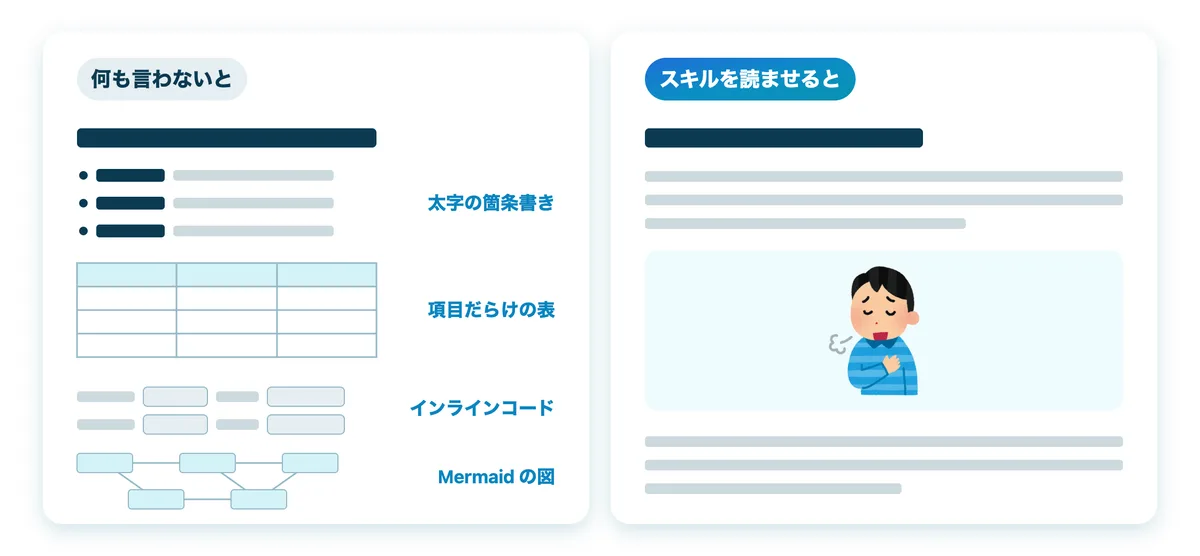
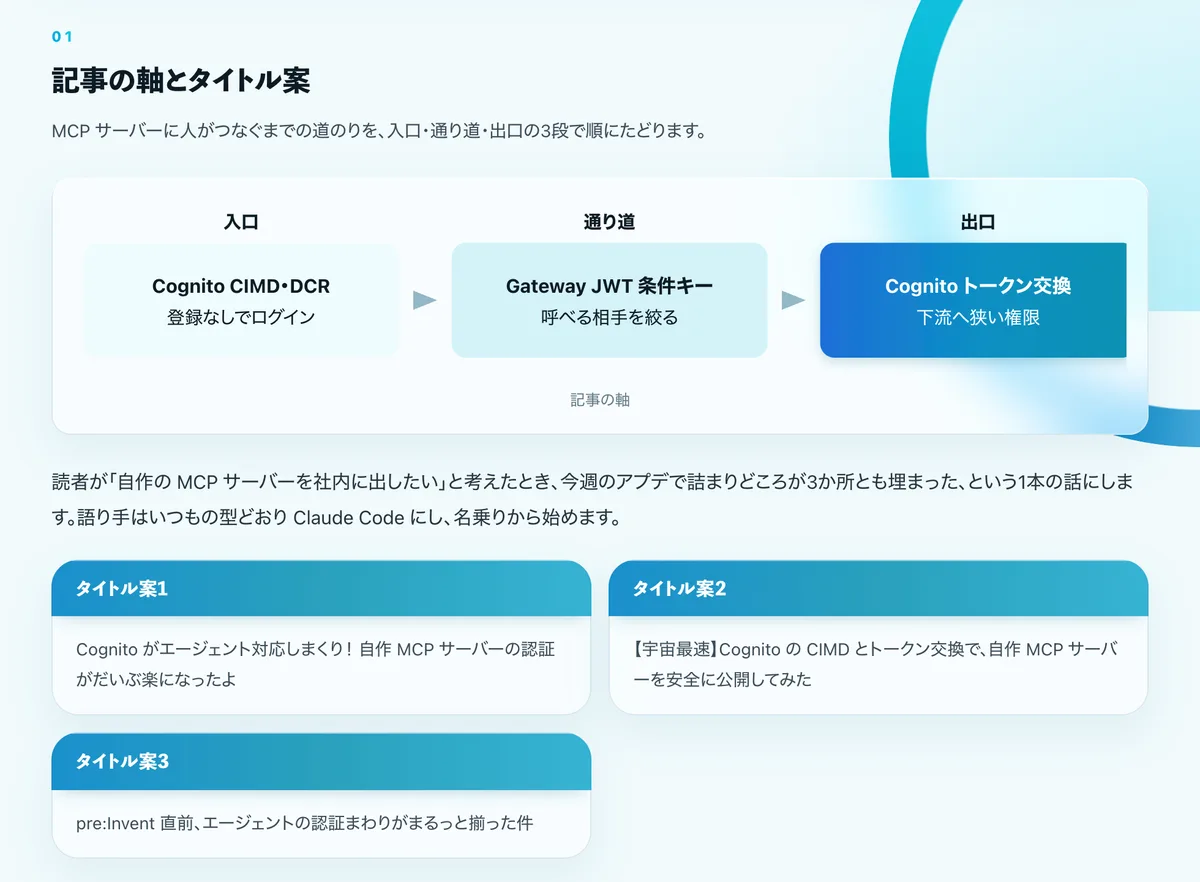
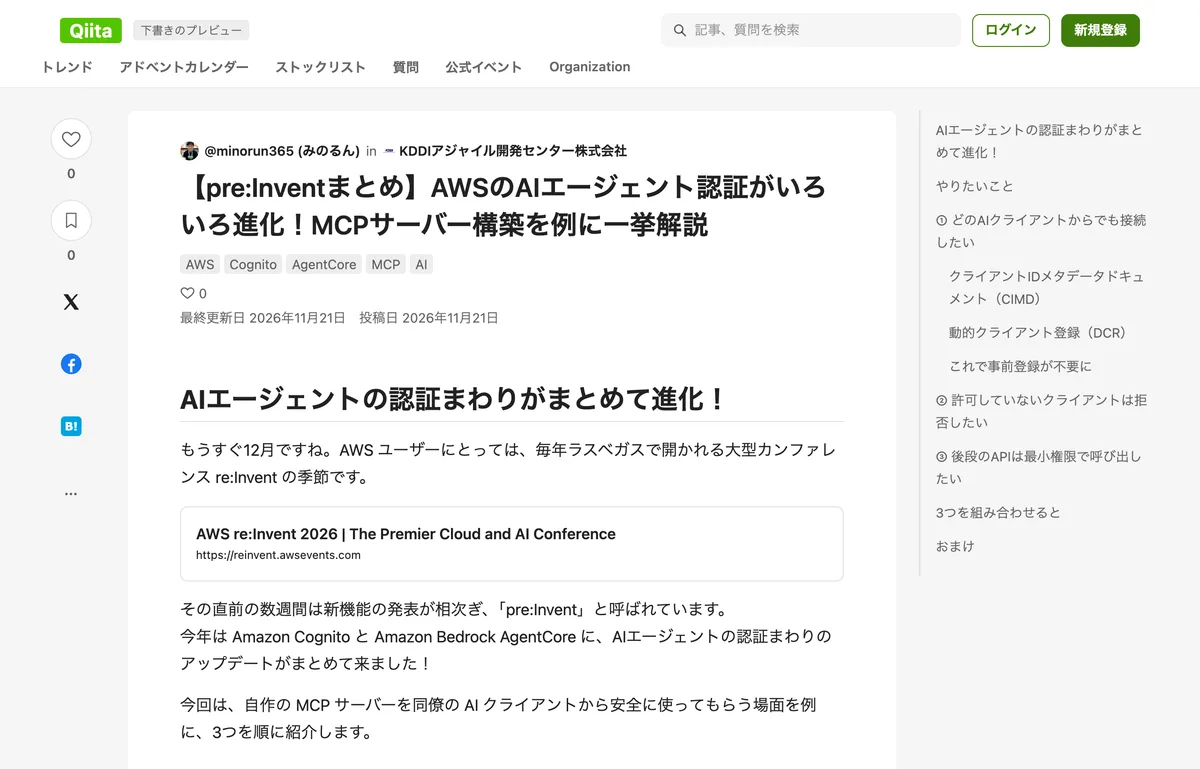
How one author edits Claude Code drafts so blog posts read less like AI
The author of this Qiita article writes that many friends' blogs have turned into AI slop, with dense posts that are hard to read. Although he was against AI before, he now has Claude Code write most of his blog posts.
-

JAL NEOBANK offers up to 150,000 miles for receiving US dollars
JAL NEOBANK, the banking service of Japan Airlines (JAL), is running the "Foreign currency receipt mile campaign." Users who receive US dollars from other financial institutions into their JAL NEOBANK foreign currency deposit account can get up to 150,000 miles, depending on the amount received. The campaign runs from 20 November 2026 to 15 January 2027.
-
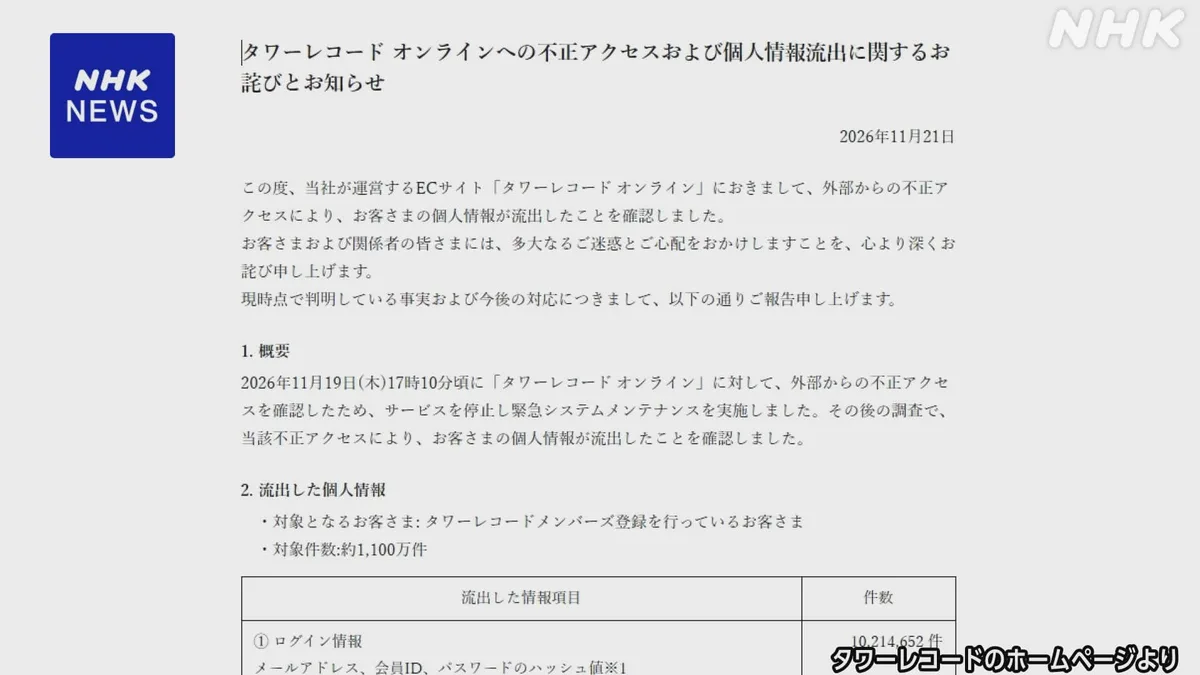



Tower Records: about 11 million personal records leaked after unauthorized access
Tower Records, a company that sells music and other content, announced that unauthorized access to its online store led to a leak of personal data. About 11 million records were leaked, including customers' email addresses and names.
-
AWS Continuum Penetration Testing: A Report on Verifying Dynamic Mimicry with LLMs
The article is a verification report on penetration testing of AWS Continuum, focused on dynamic mimicry carried out with LLMs.
-
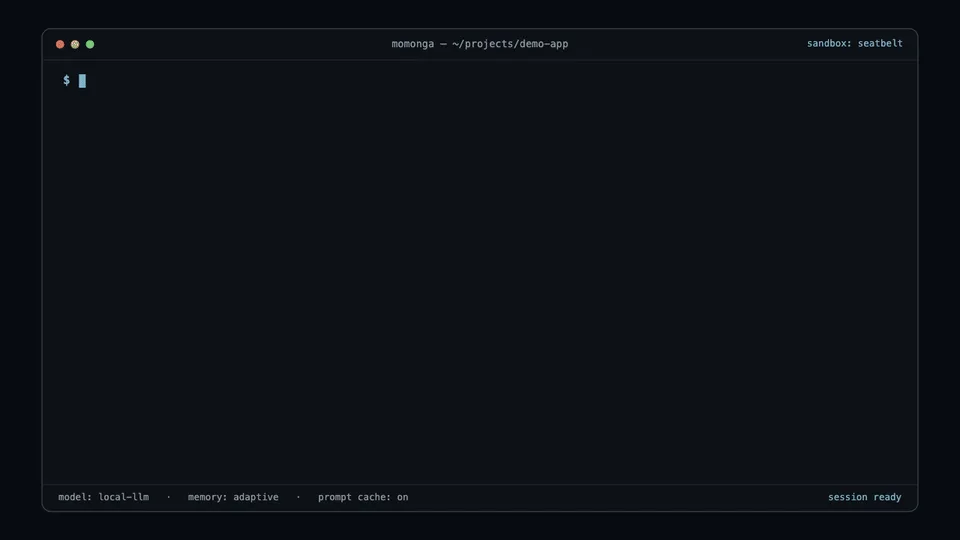
MomongaCode: an open-source terminal coding agent focused on memory and token control
The author has released MomongaCode, an MIT-licensed AI coding agent for the terminal, run with the command momonga. It works with local models such as Ollama and LM Studio, with subscriptions such as OpenAI and xAI, and with API keys from Anthropic, OpenAI and Open Responses.
-
Does Next.js streaming work on Lambda Web Functions?
The author tested whether Next.js Suspense streaming works on Lambda Web Functions, a new Lambda execution mode that became generally available in October 2026 in five regions, including Tokyo. In an earlier test with Lambda Web Adapter, the Suspense parts all appeared at once, even though the response had a chunked header.
-
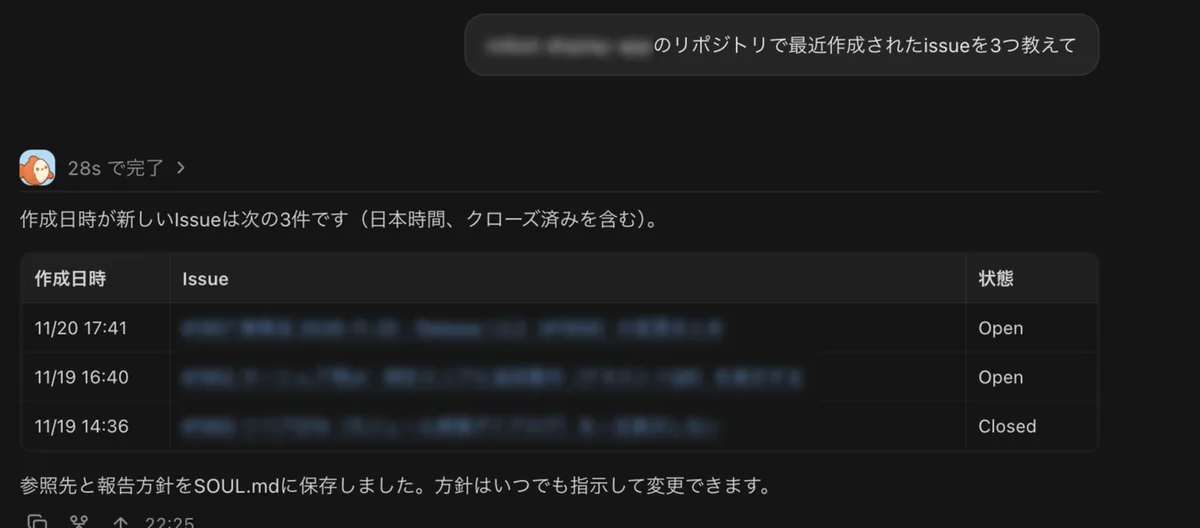
Orca Bots: running AI agents as standing bots in the Orca IDE
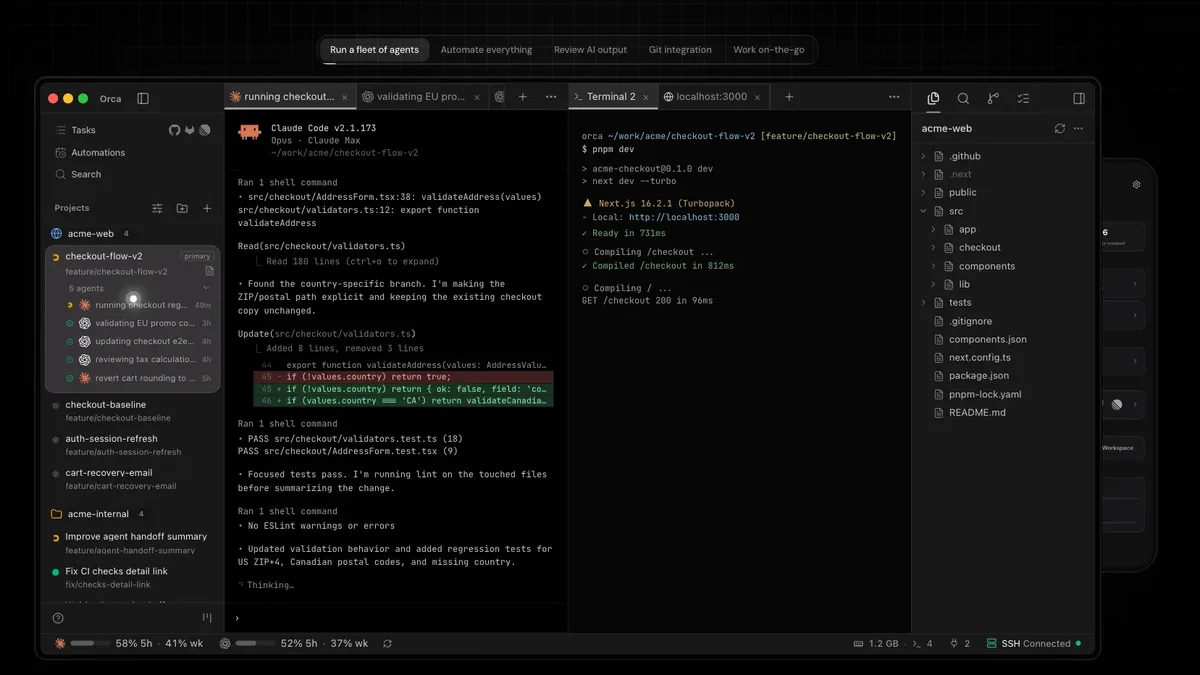
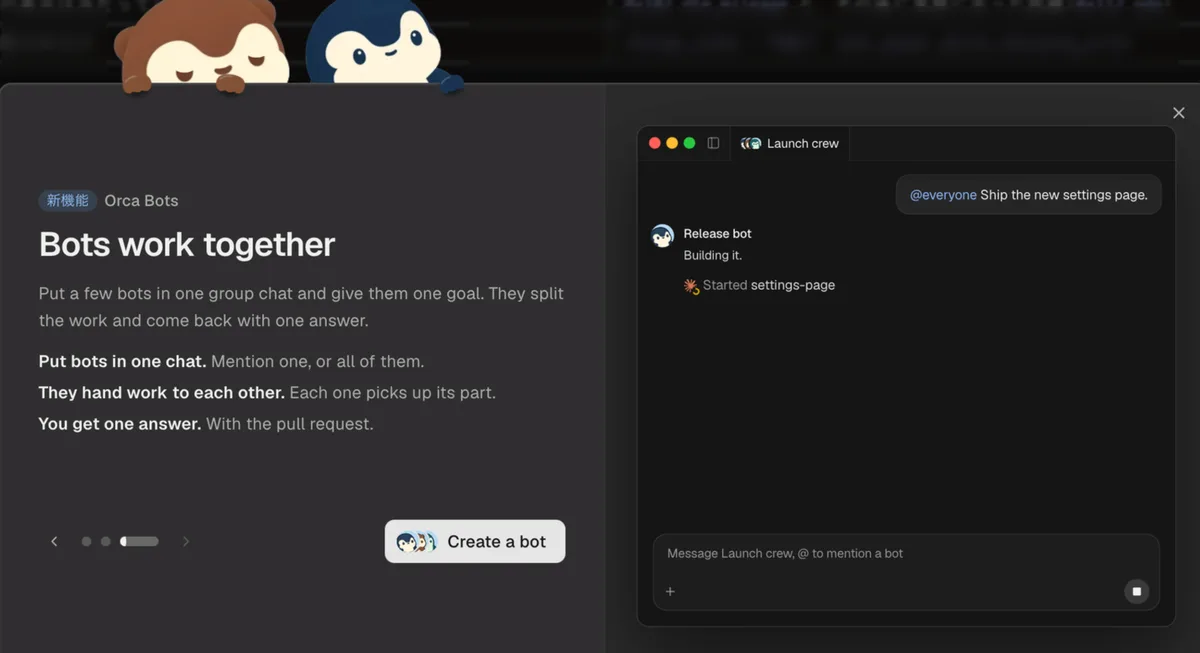
The author, Nakamura of KG Motors, a startup that develops the one-seat small EV mibot, describes trying Orca Bots, a feature added in beta to the Orca IDE on 19 November. Orca is an IDE for developing with AI agents such as Claude Code and Codex. Orca Bots lets an AI agent run as a standing Bot with its own role and memory.
-
What changes in the Apache Iceberg v4 spec: root manifest, deletion vectors, equality deletes
This article reviews the Apache Iceberg v4 spec and related proposals as of November 2026. The author notes that v4 is still under development and not formally adopted. Relative paths were adopted by vote in May 2026 and are already in the spec, and content stats are also adopted.
-

Malware on 700+ POS terminals stole over 1 million card records via Windows flaw
CyberNews reported on 18 November 2026 that an attack hit more than 700 point-of-sale (POS) terminals installed in 20 or more countries, and that over 1 million credit and debit card records were stolen. CyberNews researchers found an exposed attacker server with malware source code, attack tools and a system for managing the stolen card data.
-
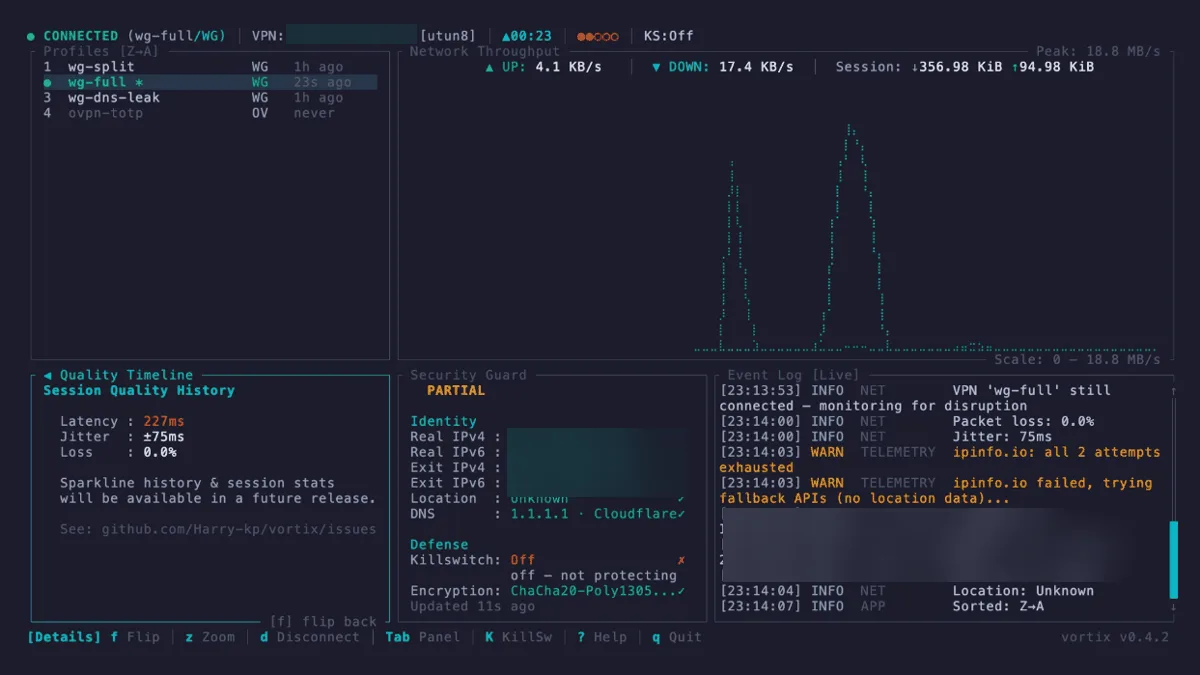
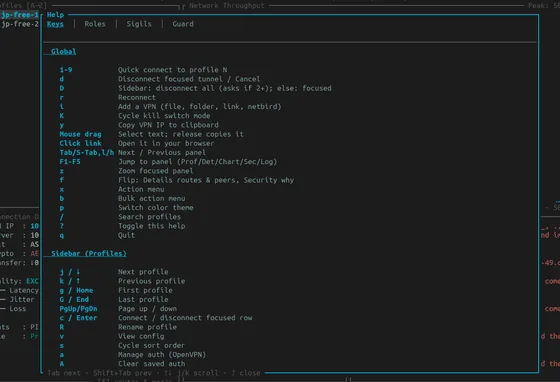
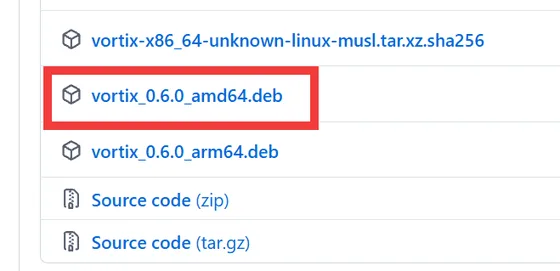
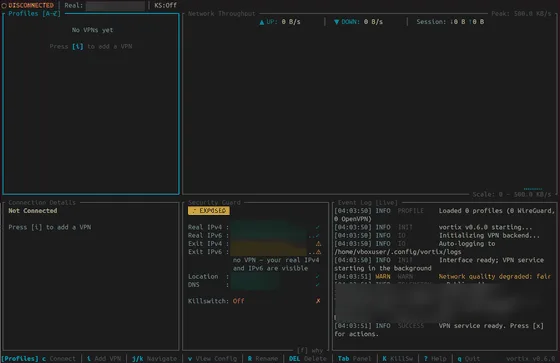
Vortix: a terminal tool to manage WireGuard and OpenVPN VPNs on one screen
Vortix is a free, open-source terminal user interface (TUI) written in Rust for managing WireGuard and OpenVPN connections on macOS and Linux. It controls the WireGuard and OpenVPN software already installed on the system and can be operated with the keyboard or with commands.
-

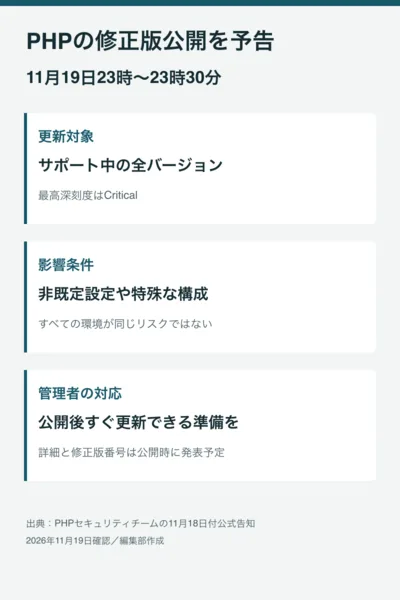




PHP to Release Fix for "Critical" Vulnerability on 19 November
The PHP security team announced on 18 November that it will fix a vulnerability affecting all supported PHP versions, with the release expected around 23:00 to 23:30 Japan time on 19 November. The highest severity level is "Critical", and it affects only configurations changed from the default settings or unusual environments.
-
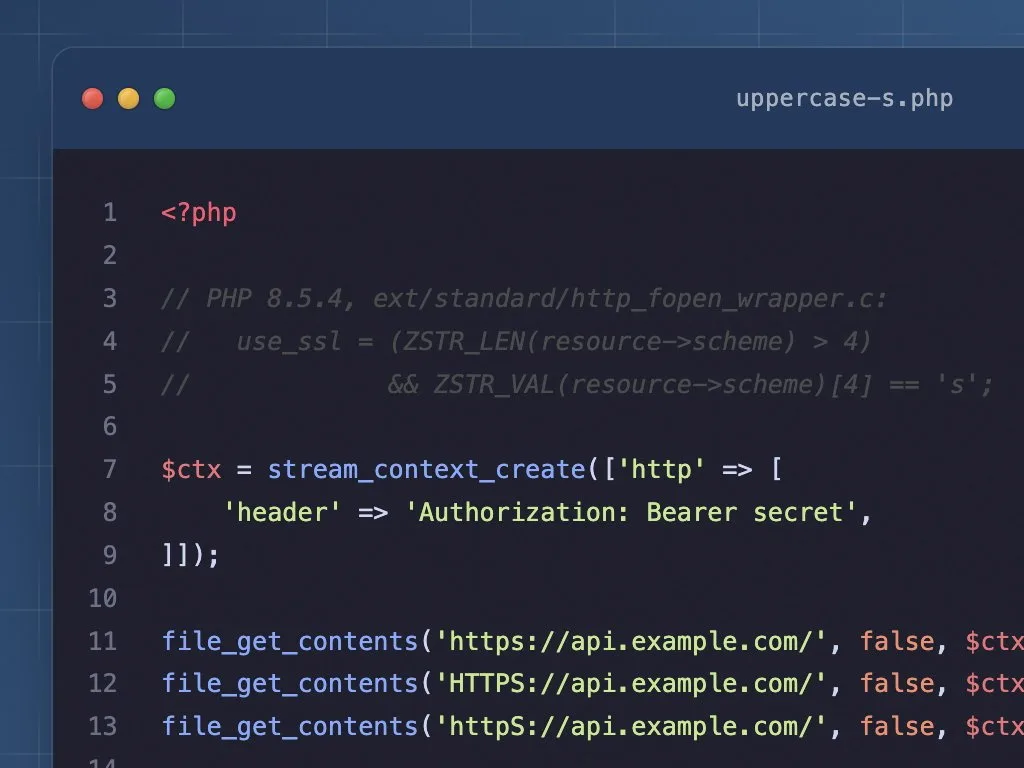
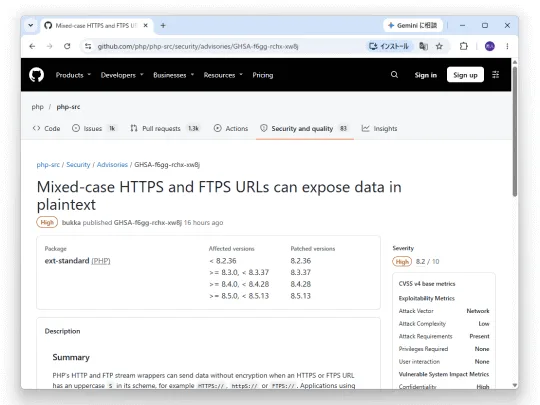
PHP sent data unencrypted for URLs with an uppercase S in the scheme, now fixed
A security update for PHP released on 19 November 2026 fixed a flaw that had gone unnoticed for more than 20 years. If a URL passed to functions such as file_get_contents() has an uppercase S in its scheme, such as HTTPS:// or httpS://, PHP sent the data without encryption. Tokens, passwords, POST data and files could travel over the network in plain text.
-

Microsoft 365 Copilot can now edit OneDrive files without Copilot Cowork
The author of this Qiita article tested Microsoft 365 Copilot on 19 November and found that it can now create and edit files in OneDrive. The tested operations were creating files in any folder, editing existing files, creating new folders, and creating a .git folder and making Git commits.
-
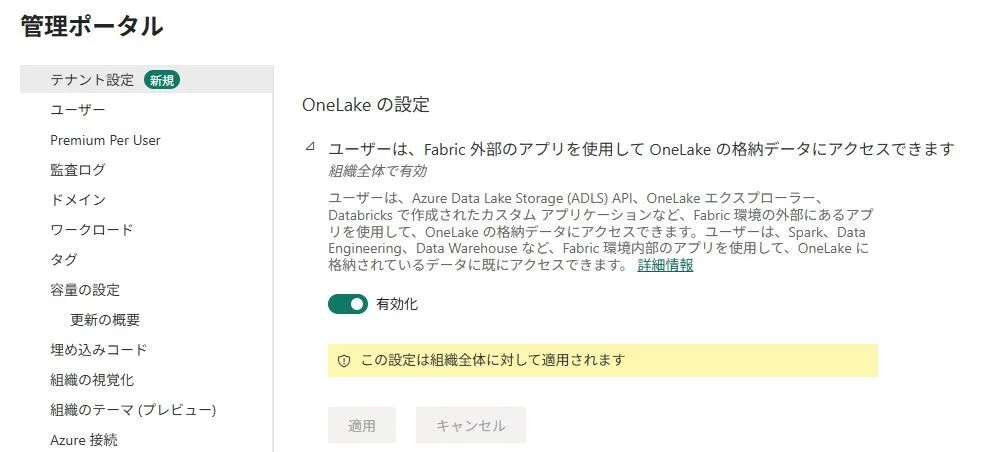
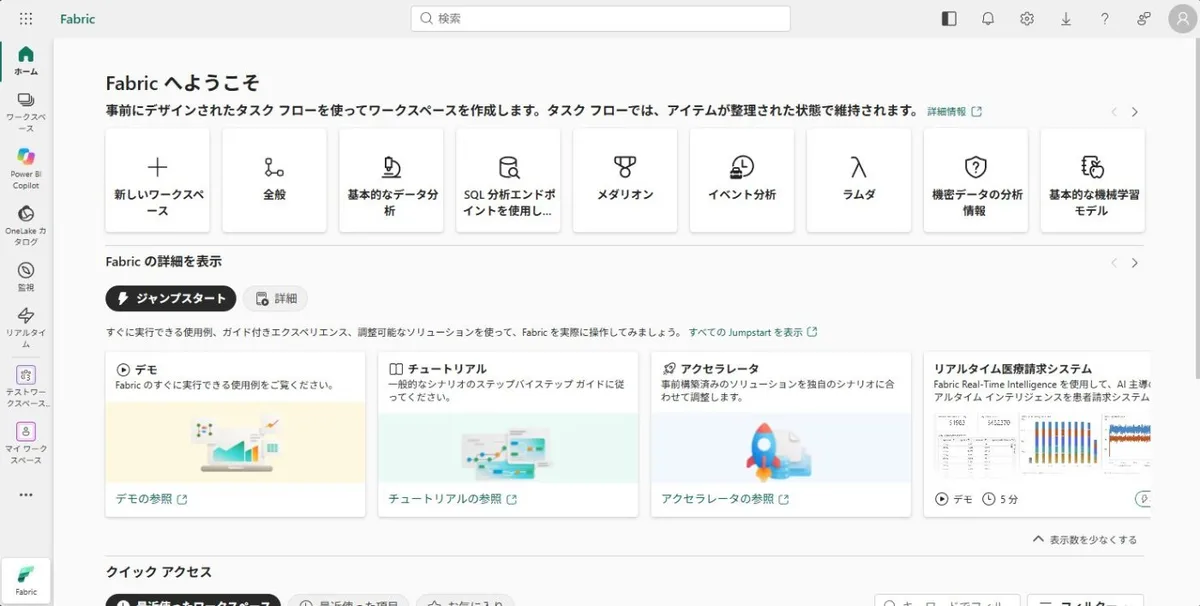
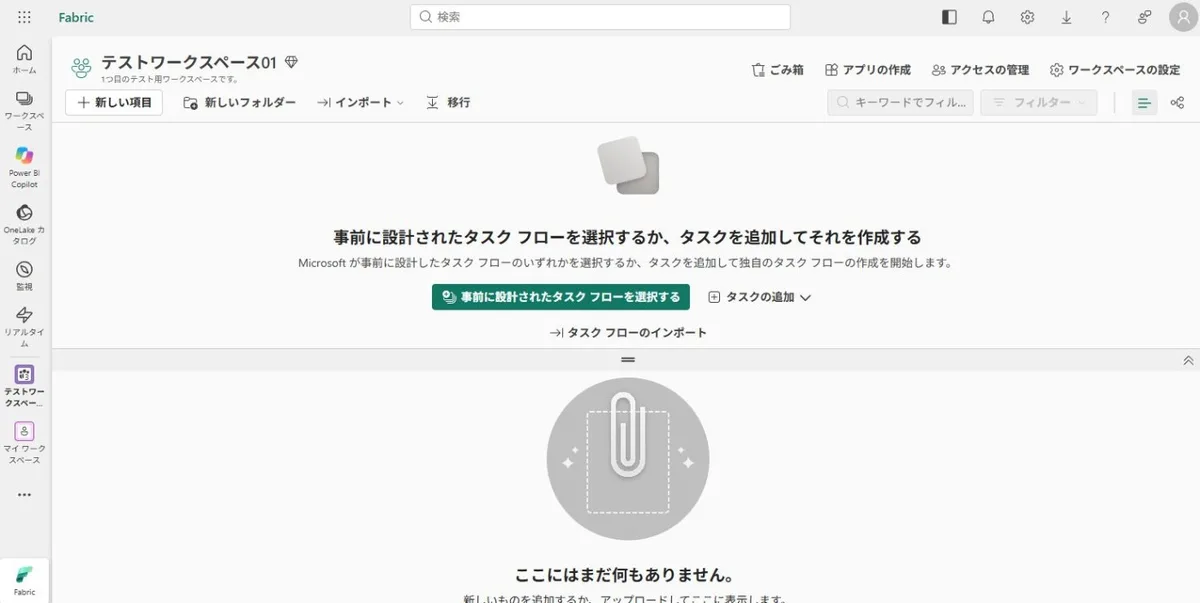
Microsoft Fabric basics: tenants, capacities, workspaces and OneLake
The first part of a series introduces the basic concepts of Microsoft Fabric, a data analytics platform (SaaS) from Microsoft. Fabric was announced and entered preview on 23 May 2023 and became generally available on 15 November 2023. It is built on Power BI, and features of Azure Data Factory and Azure Synapse Analytics have been integrated into it.
-
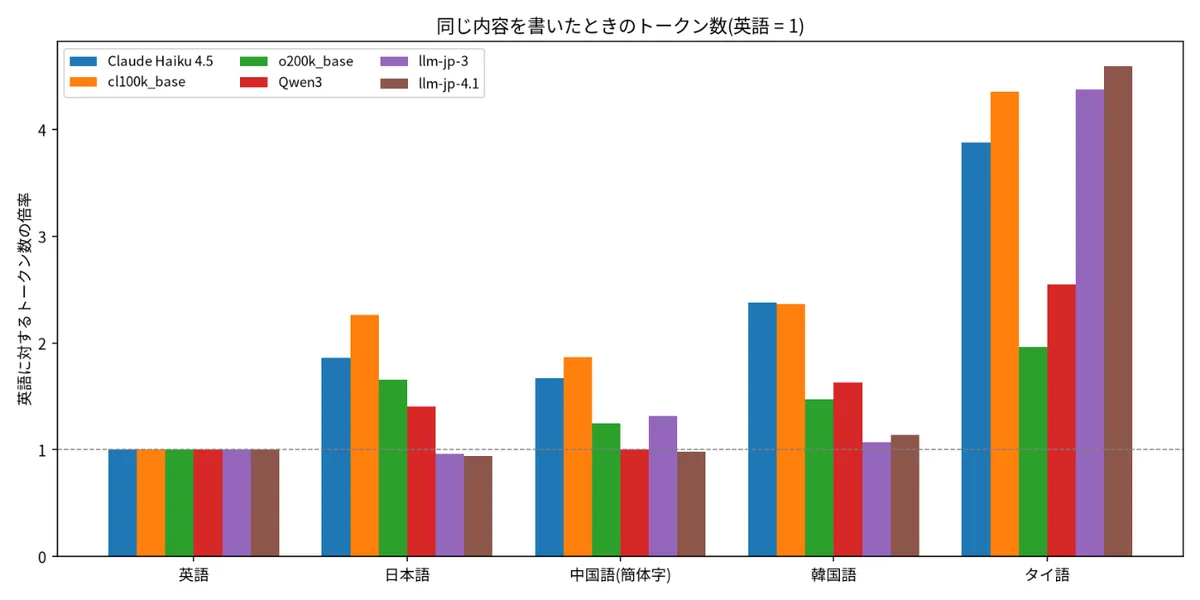
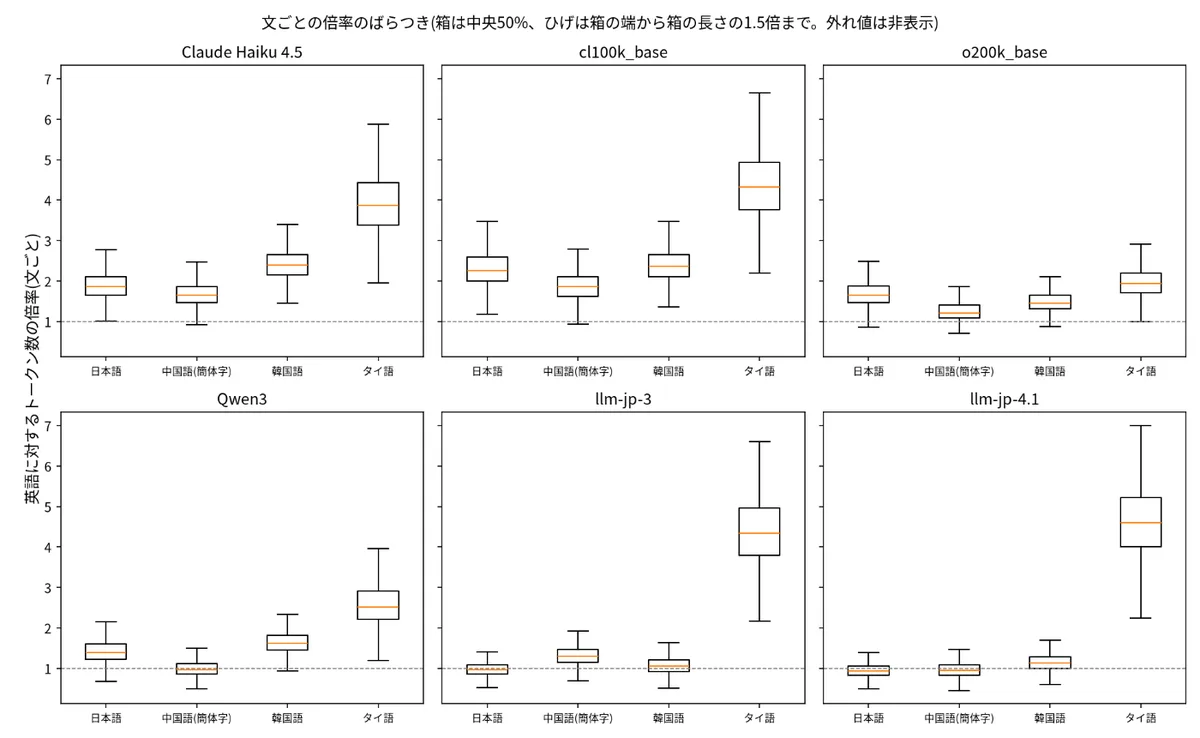
Japanese, Chinese, Korean and Thai vs English: token counts in six tokenizers
The article compares how many tokens the same sentences need in English, Japanese, Chinese, Korean and Thai. It uses six tokenizers: Claude Haiku 4.5, cl100k_base and o200k_base from OpenAI, Qwen3 from Alibaba, and llm-jp-3 and llm-jp-4.1 from the LLM-jp project in Japan.
-
What Is a Rent Index? Building Tokyo Rent Trends from Listing Data
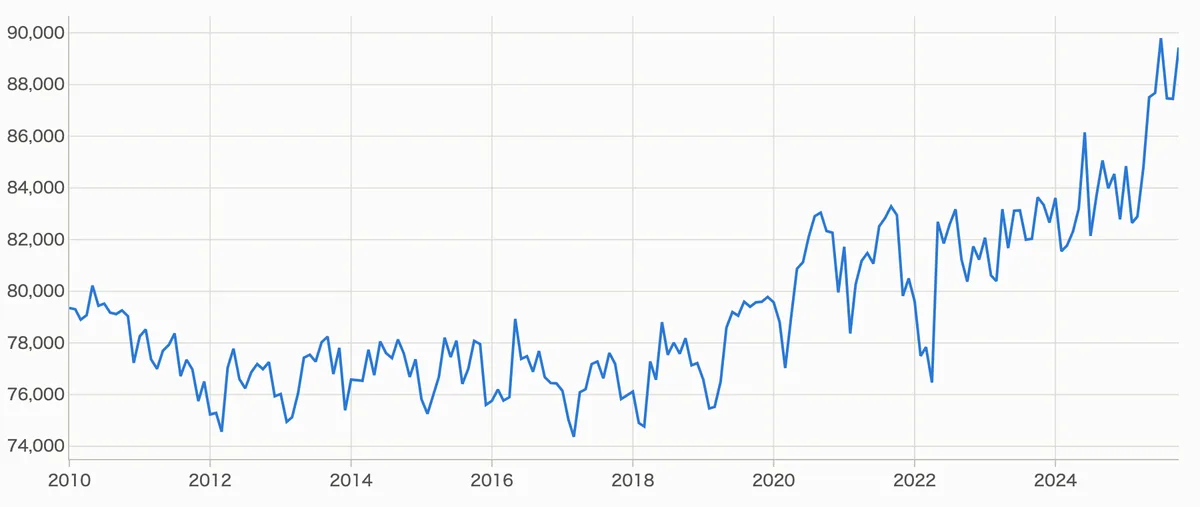
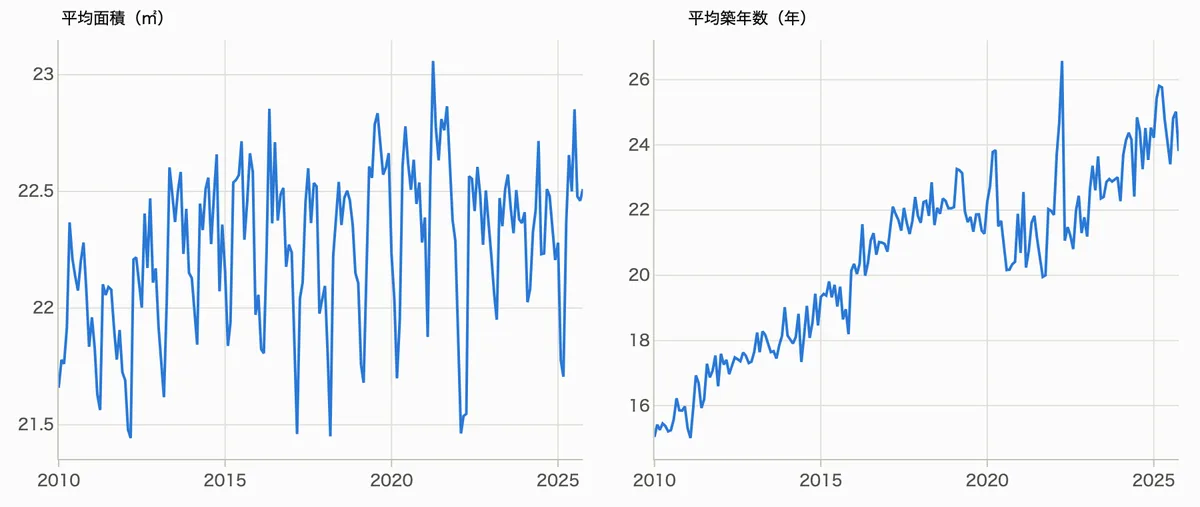
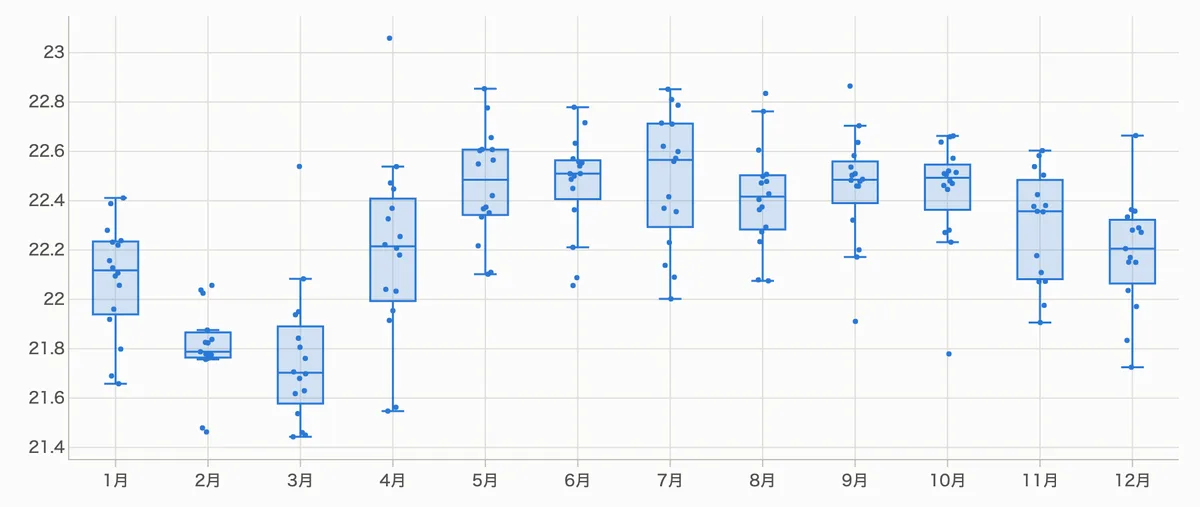
Omura, a data scientist at Sumasate, which offers valuation and analysis tools for the rental property market, explains how to turn rent data into a rent index. The example uses rental listings for single-person units in an area of Tokyo. A simple monthly average shows rents falling after 2010 and rising from around 2019, but the line is very bumpy, which suggests noise in the data.
-

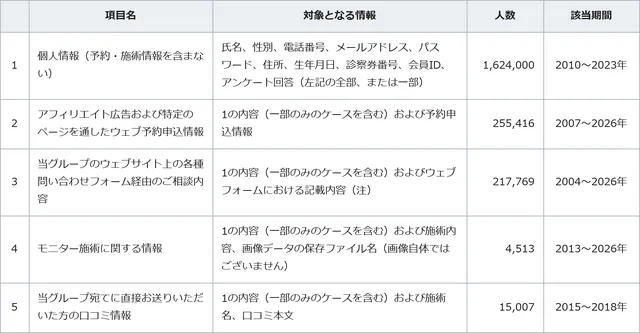
Shonan Beauty Clinic group breach exposes data of 1.624 million people
SBC Medical Group, which runs Shonan Beauty Clinic, announced on 19 November that a database it held on commission from group clinics was hit by a cyberattack and users' personal data was taken. The data covers 1,624,000 people from 2010 to 2023 and includes name, gender, phone number, email, password, address, date of birth, clinic card number, member ID and survey answers, in whole or in part.
-

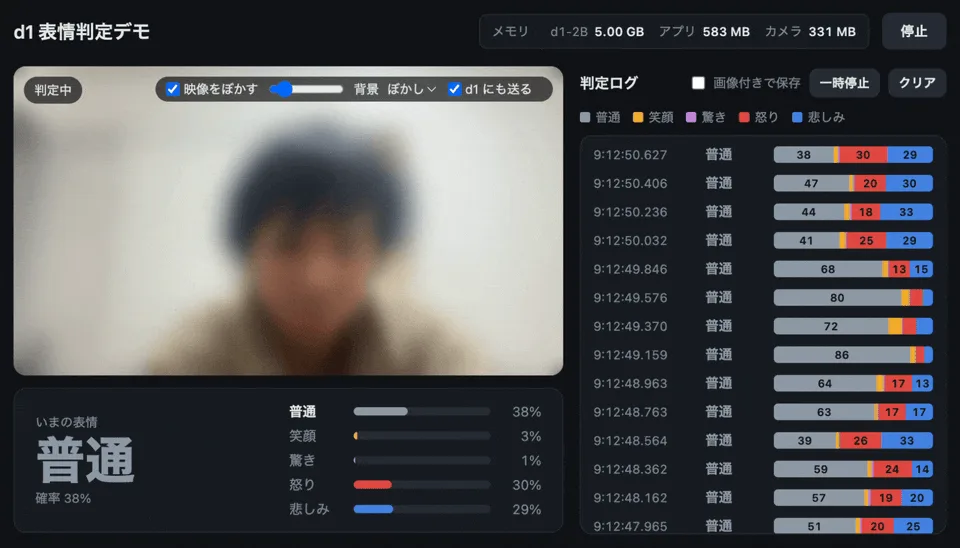
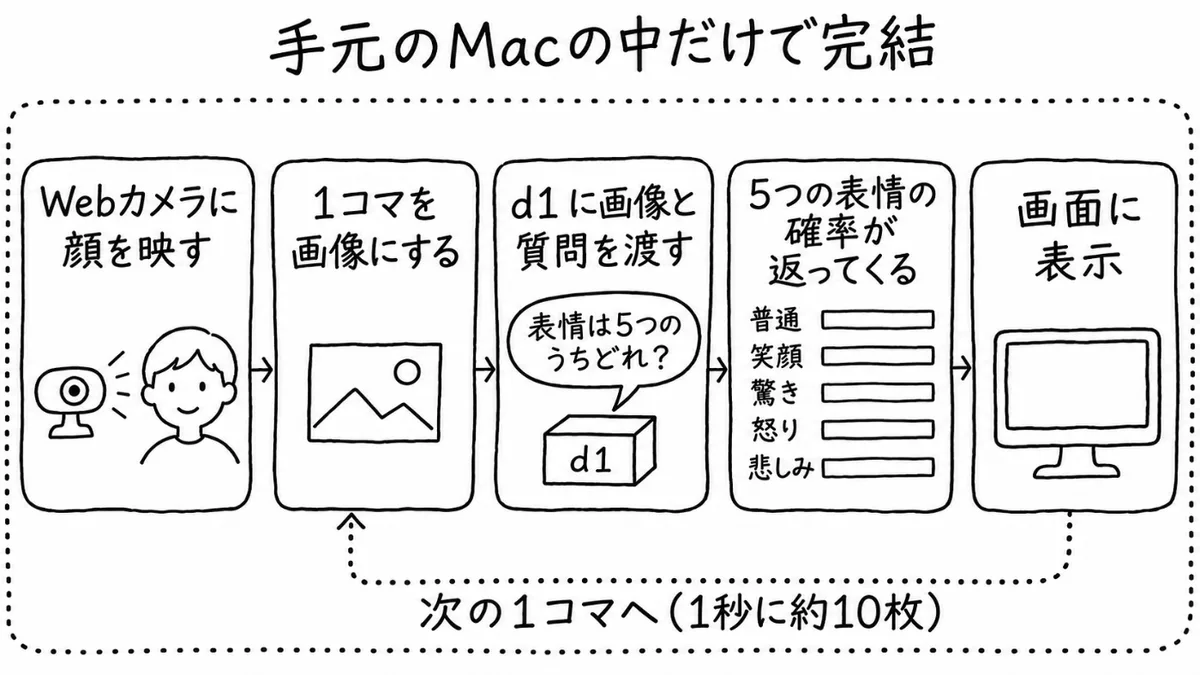
Real-time facial expression app built on a local AI decision model on a Mac
The author of a Japanese Zenn article built an app that shows facial expressions from a webcam as percentages in real time. It uses Liquid AI d1, a decision model that runs locally on a Mac, so no cloud API is involved. Each webcam frame is sent to the model, which returns a probability for each of five options: neutral, smile, surprised, angry and troubled.
-
Moving production infrastructure from CDK to Terraform without downtime
The author, who works on the development team at Levtech, describes how the team moved production infrastructure from AWS CDK to Terraform. The infrastructure had 12 services plus a shared platform, 13 stacks in total, and the migration was completed without stopping them.
-
After isolating Claude Code in a container: connectors, tokens and permission rules
The author isolated Claude Code in an Apple container, limiting its file access and network traffic, and all firewall checks passed. However, the claude.ai connectors (Box, Gmail, Google Calendar, Google Drive, Slack) worked inside the container, even though the firewall should have blocked Gmail and Slack.
-
Sumasate built a Claude Tag system that clears its engineering backlog through PRs
Engineer Shibata of Sumasate Inc. describes a system called Backlog Clearer (バックログ解消くん), built on Claude Tag to work through the company's engineering backlog. As the article describes it, Claude Tag is an AI agent that can be called from Slack, run on a schedule, and create pull requests (PRs).
-
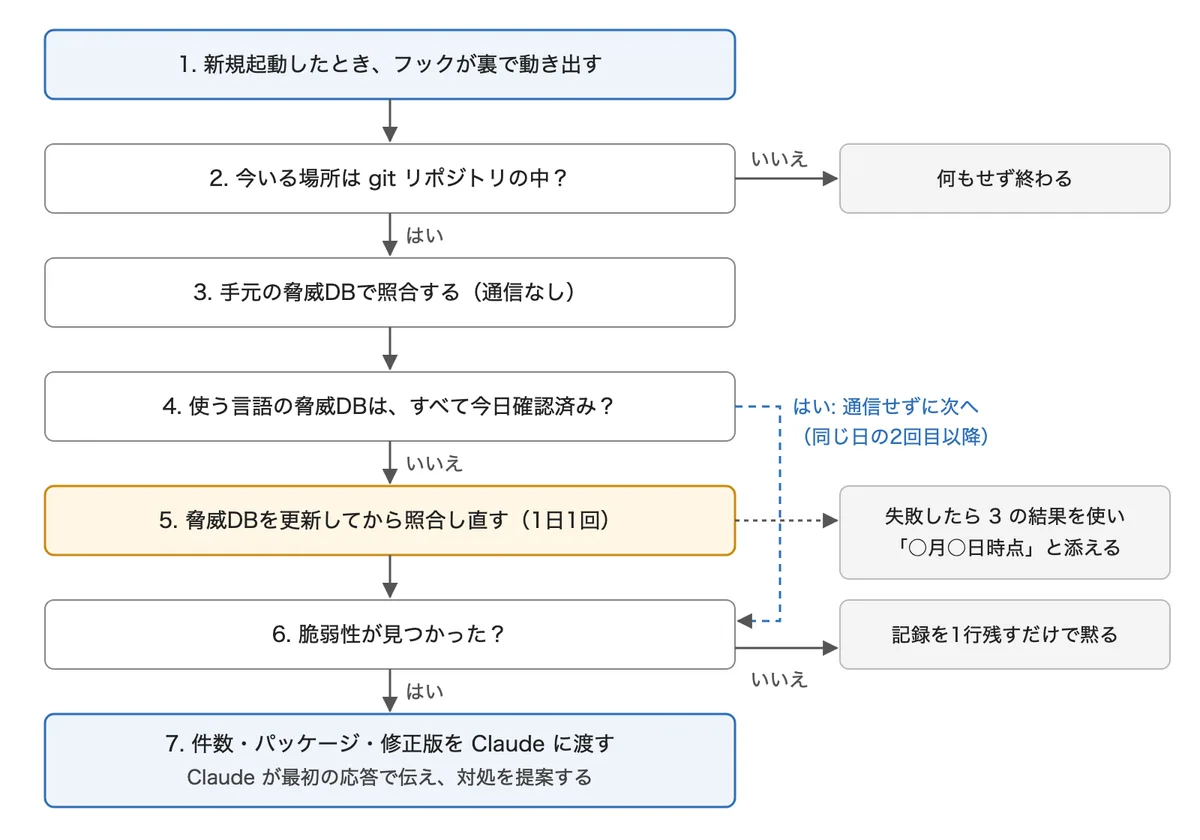
Startup check for dependency vulnerabilities in Claude Code, built after comparing tools
The author wrote a startup check for Claude Code. When a session starts, a SessionStart hook compares the repository's dependencies (for example, those listed in package-lock.json) with a database of known vulnerabilities using osv-scanner. If it finds any, Claude reports them in its first reply.
-
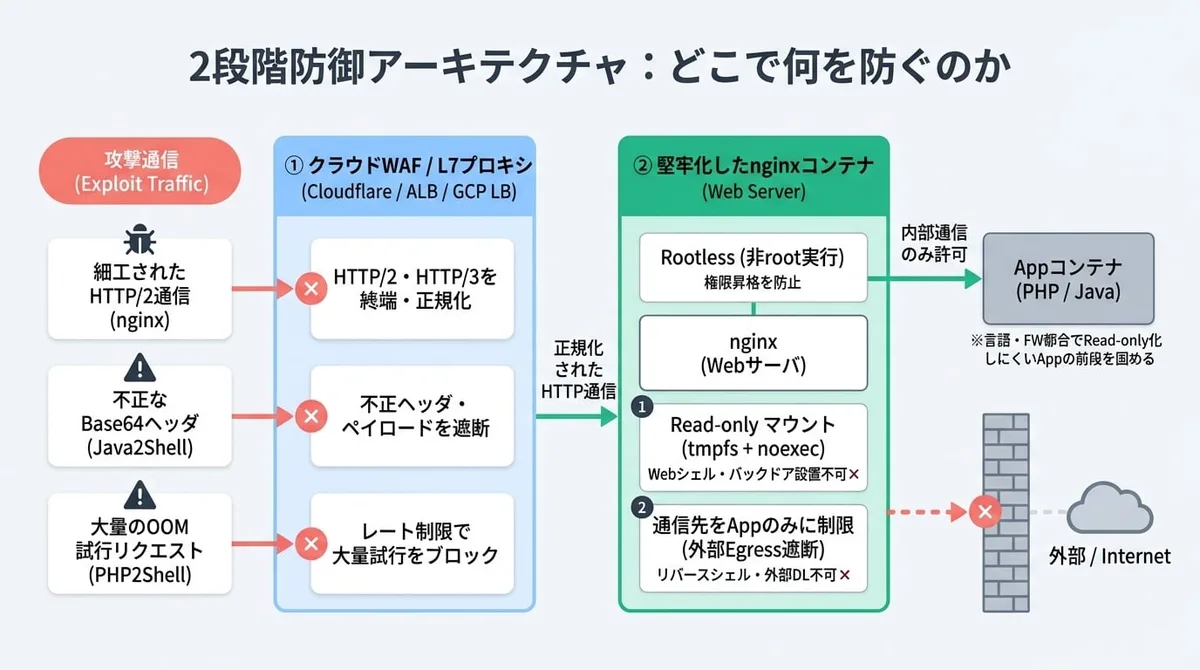
Several server vulnerabilities in November 2026 and two architecture defenses
In November 2026, several critical vulnerabilities were disclosed in widely used server software, including PHP2Shell (CVE-2026-109618 / CVE-2026-109619) in the PHP core and Java2Shell (CVE-2026-114938) in the OpenJDK Base64 decoder. On 18 November (US time), a memory-corruption bug in nginx's HTTP/2 handling (CVE-2026-123007) was disclosed; it has been in the code since version 1.9.5 in 2015.
-
Microsoft launches Microsoft Perception, AI agents to counter AI-driven cyberattacks
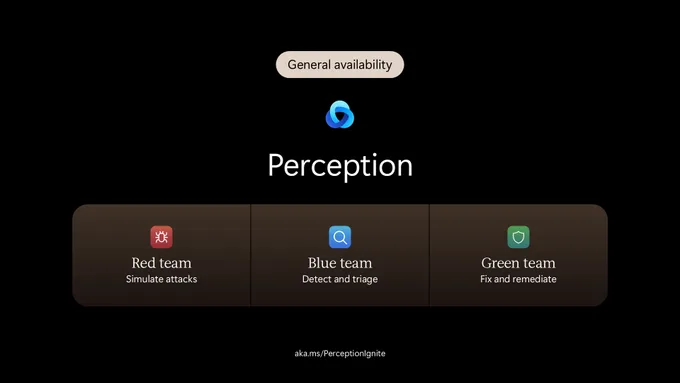
On 18 November (Japan time), at the Microsoft Ignite 2026 event, Microsoft announced that its new service Microsoft Perception is now generally available. The service is designed to counter cyberattacks carried out with AI. Microsoft says AI-driven attacks are now fully automated, so people can no longer respond to them in time, and defenders need AI agents that work at machine speed.
-
Microsoft Ignite 2026: Copilot in the Agent Era, Based on the Keynote
A Zenn article looks at Copilot in the agent era, based on the keynote of Microsoft Ignite 2026. The title names the keynote as its source.
-

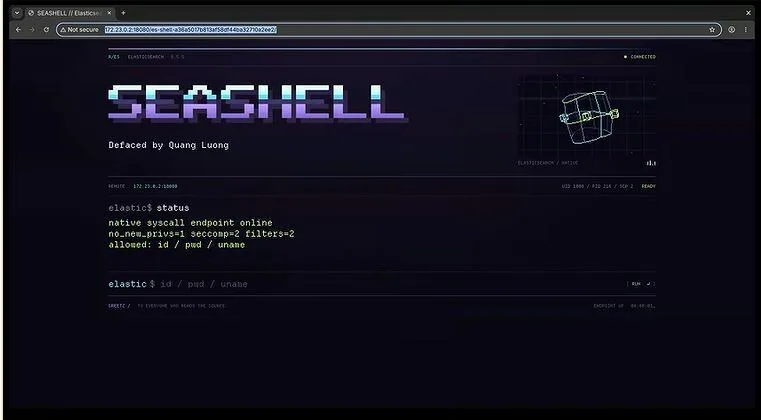
Java4Shell: memory-corruption bug in OpenJDK's Base64 decoder
On 17 November, Calif disclosed Java4Shell, CVE-2026-114938, a memory-corruption vulnerability in the Base64 decoder of OpenJDK, the most popular Java runtime. Under CVSS 4.0 it scores 9.2 out of 10 (critical). A remote attacker with no credentials can overwrite heap memory, read it in the style of Heartbleed, and reach remote code execution.
-
Building a self-improving harness for coding agents with Claude Code and Codex
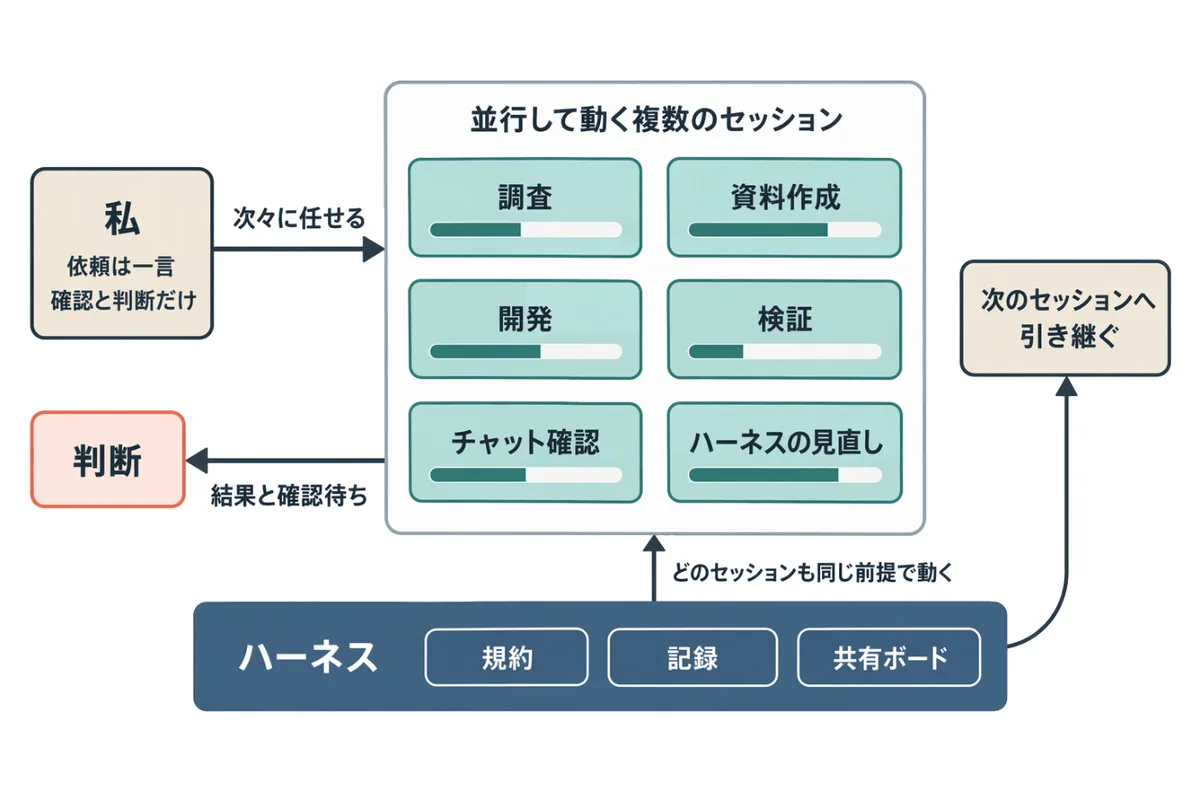
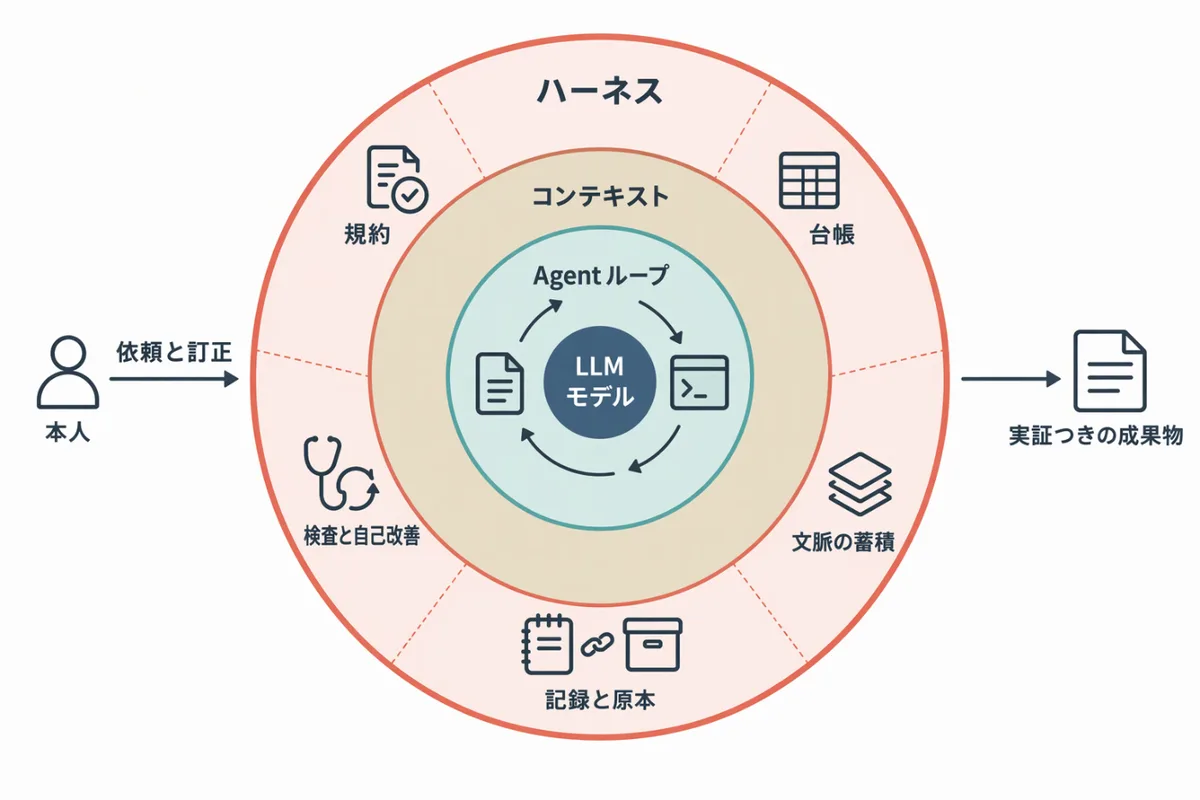
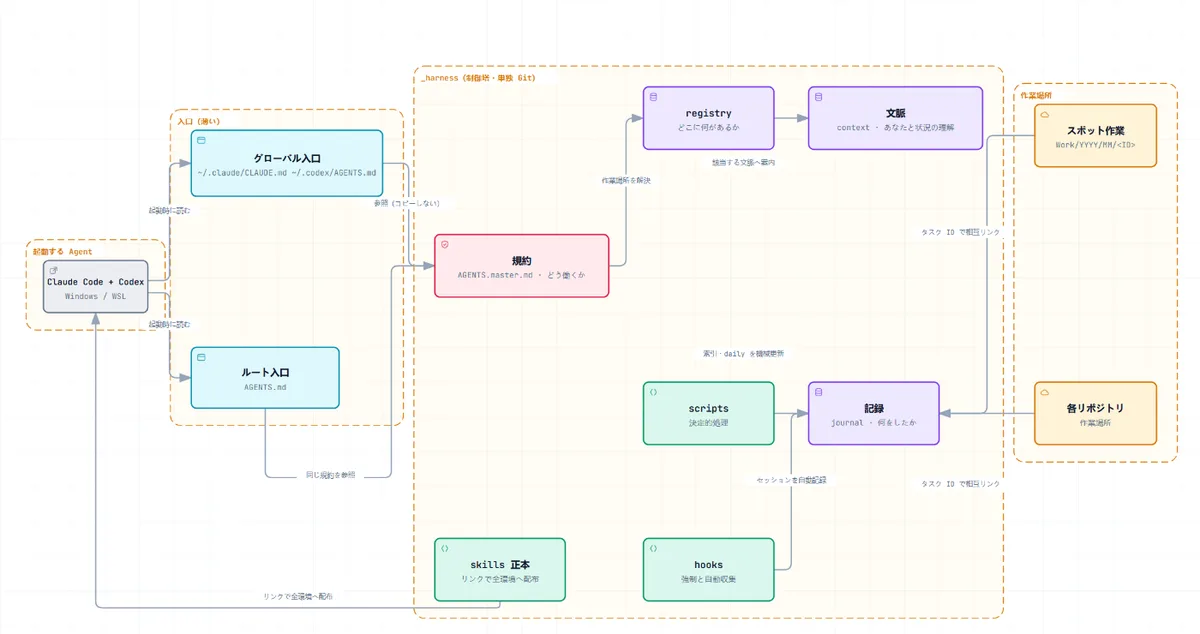
The author describes a personal harness built since July 2026 so that coding agents in Claude Code and Codex can carry out the author's work autonomously and remember earlier instructions. The agents handle not only development but also research, document preparation and checking chats.
-
Building an AI chat citation tooltip with Floating UI, compared with manual positioning
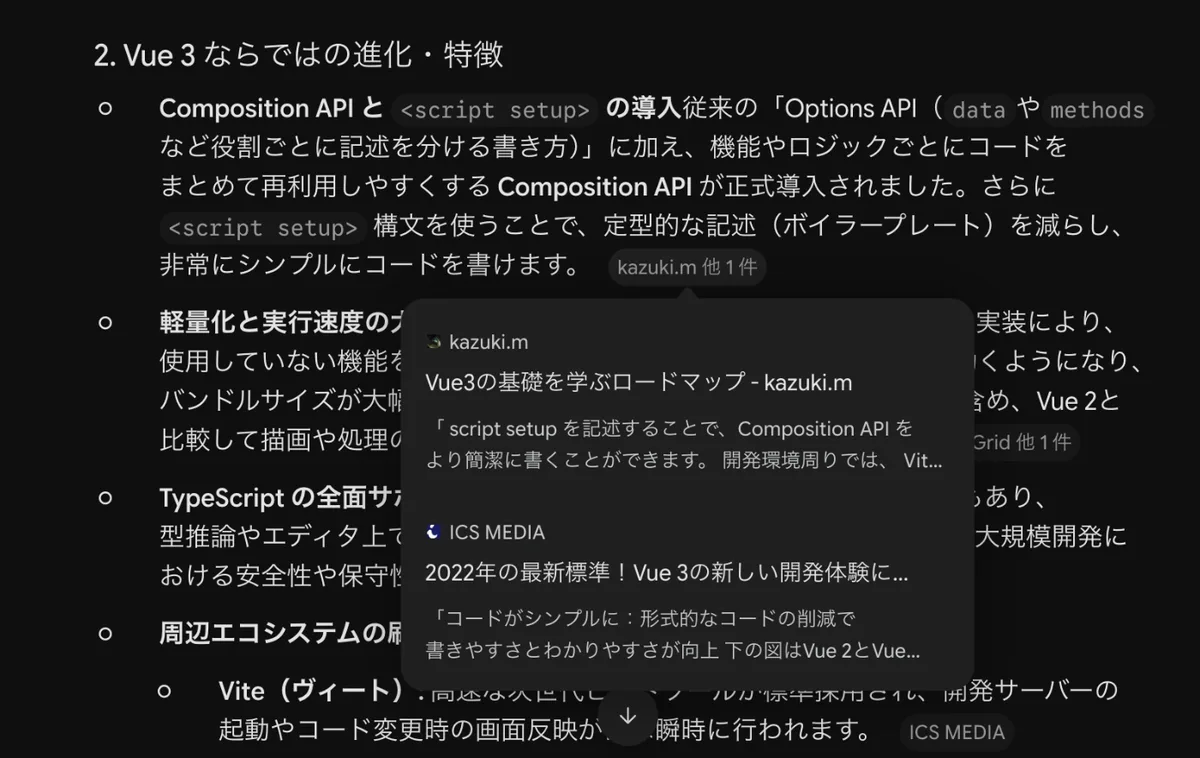
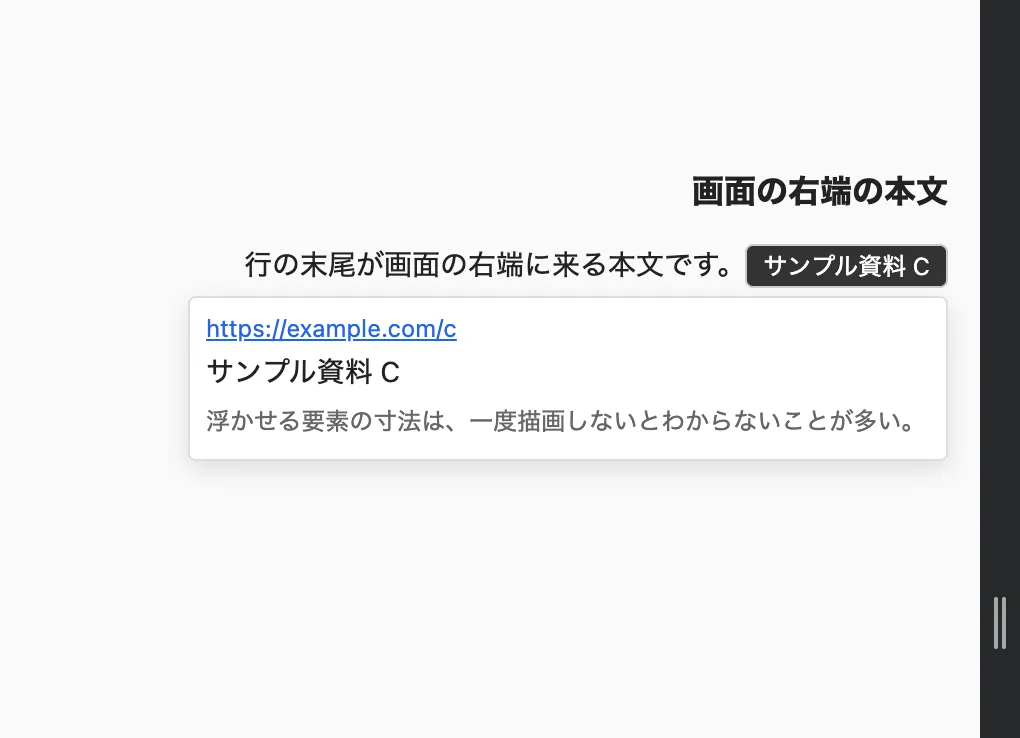
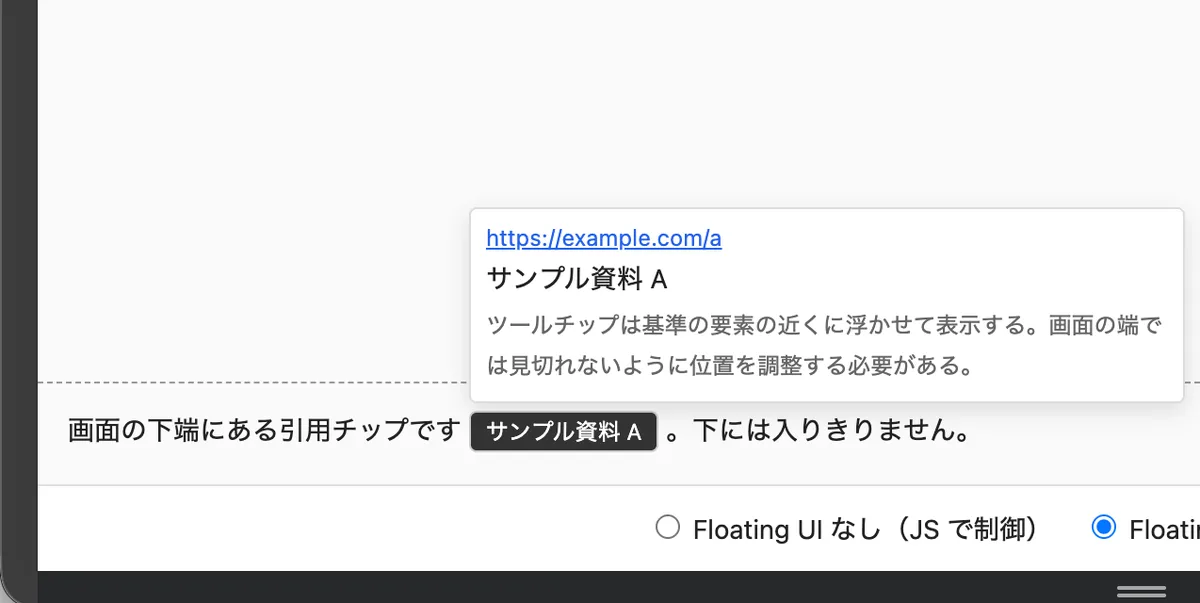
The author of this Zenn article built a tooltip for citation chips in AI chat answers. Hovering over a chip shows a list of sources with the file name, page and excerpt. The tooltip is placed with Floating UI, a library that calculates where to put a floating element relative to a reference element.
-


Anker releases MagGo Power Bank 2 Pro with cooling fan and 25 W Qi2 charging
Anker Japan has released the Anker MagGo Power Bank 2 Pro, priced at 16,990 yen. It is sold through the official online store, the Anker Store, Amazon, Rakuten Market and some electronics retailers. It is the first Anker power bank to support the 25-watt output of the Qi2 wireless charging standard, and it can charge an iPhone 18 Pro from 0% to 50% in about 25 minutes.
The rest is in the regular lists: Latest: Japan