Microsoft Fabric basics: tenants, capacities, workspaces and OneLake
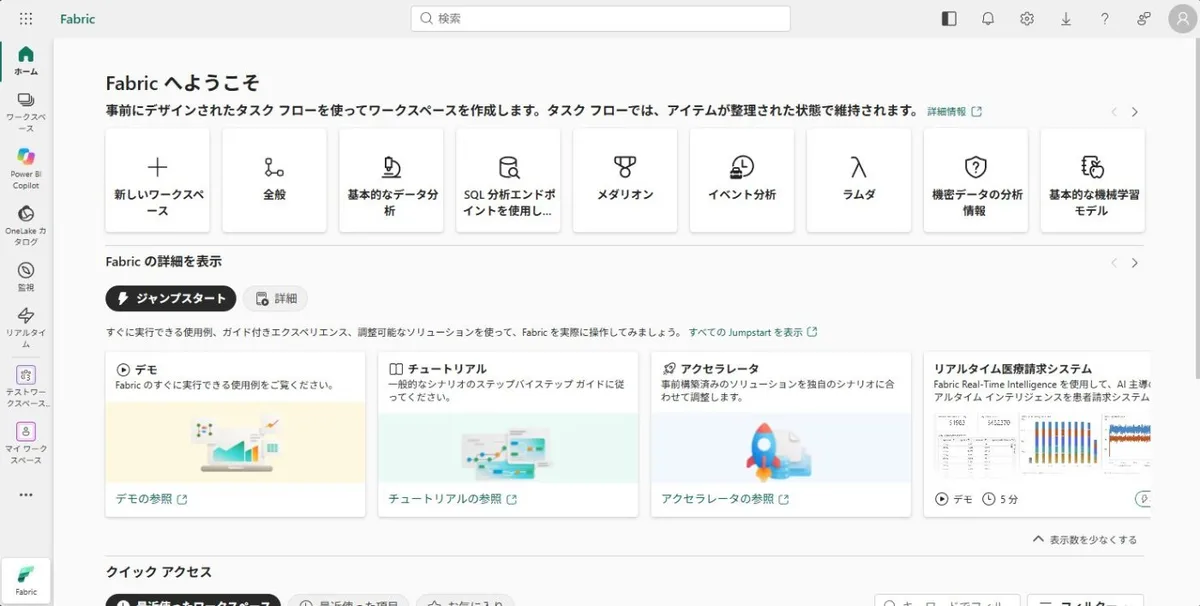
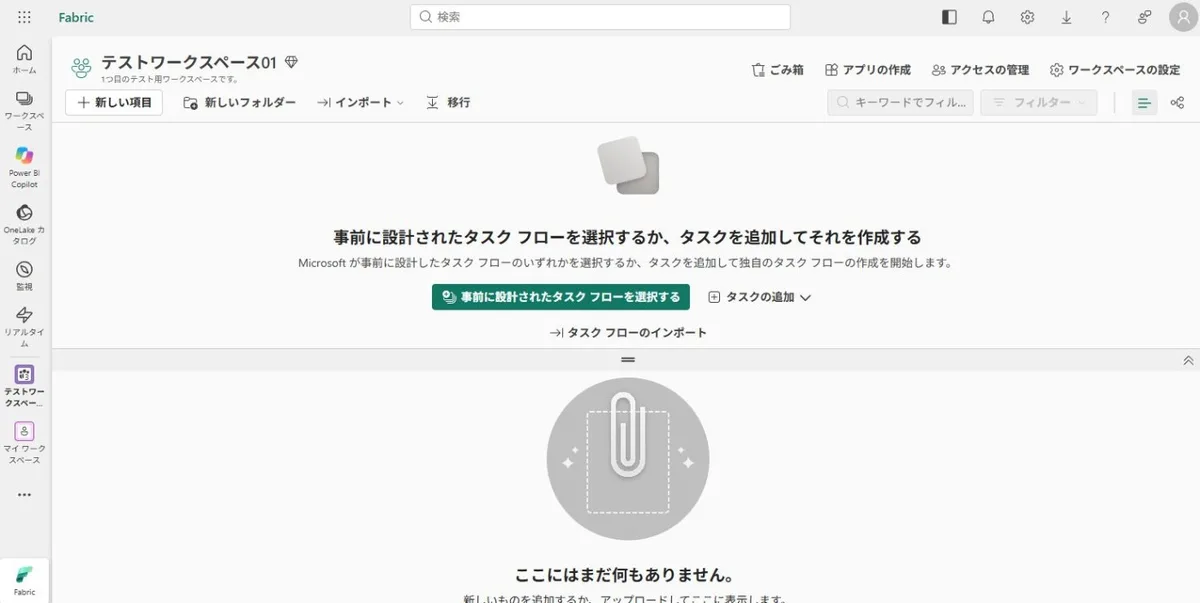
The first part of a series introduces the basic concepts of Microsoft Fabric[1], a data analytics platform (SaaS) from Microsoft. Fabric was announced and entered preview on 23 May 2023 and became generally available on 15 November 2023. It is built on Power BI, and features of Azure Data Factory and Azure Synapse Analytics have been integrated into it.
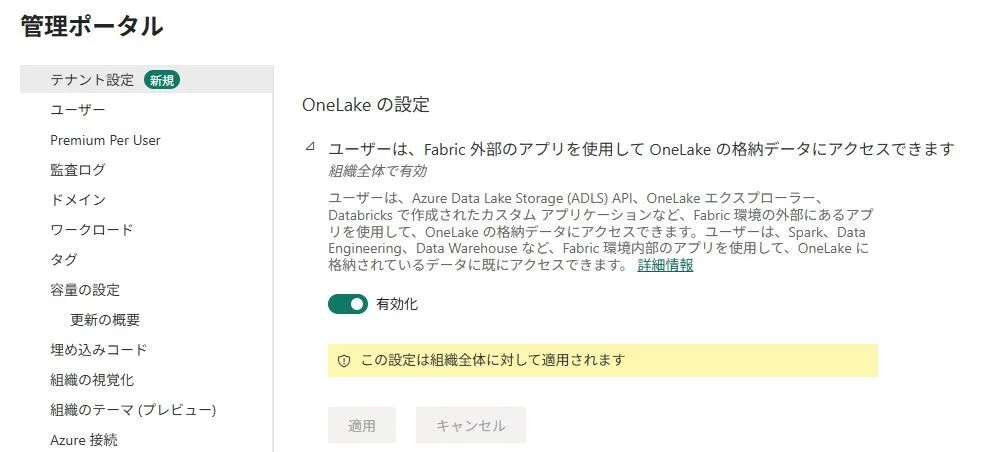
The Microsoft Entra ID tenant is the top management unit, and many settings are shared across the whole tenant, with only some delegated to capacities and workspaces. A capacity is a resource pool deployed as an Azure resource; an F16 SKU provides 16 CU[2], and each CU gives Spark clusters 2 vCores. Usage above 100% of CU causes throttling, but resources do not stop at once, and pausing and restarting the capacity resets throttling while the overage is billed separately. A workspace is a shared space for several users and the basic unit of access control; with Outbound Access Protection (OAP)[3] enabled, it is isolated and reaches other sources only through managed private endpoints or data connection rules.
OneLake[4] is the data layer shared by all Fabric workloads; it works with Delta Parquet tables and is based on ADLS Gen2. The workloads include Data Engineering based on Spark, Data Factory, and Power BI, and OAP support for Power BI is still in preview. The author plans to cover individual topics in more detail in later parts.
Product Microsoft Fabric microsoft.com
Microsoft's SaaS data analytics platform combining data engineering, data integration, data science, real-time analytics and Power BI business intelligence.
Sources
-
JPZenn JA
エンタープライズシステムへのMicrosoft Fabric導入(第1回)