What Is a Rent Index? Building Tokyo Rent Trends from Listing Data
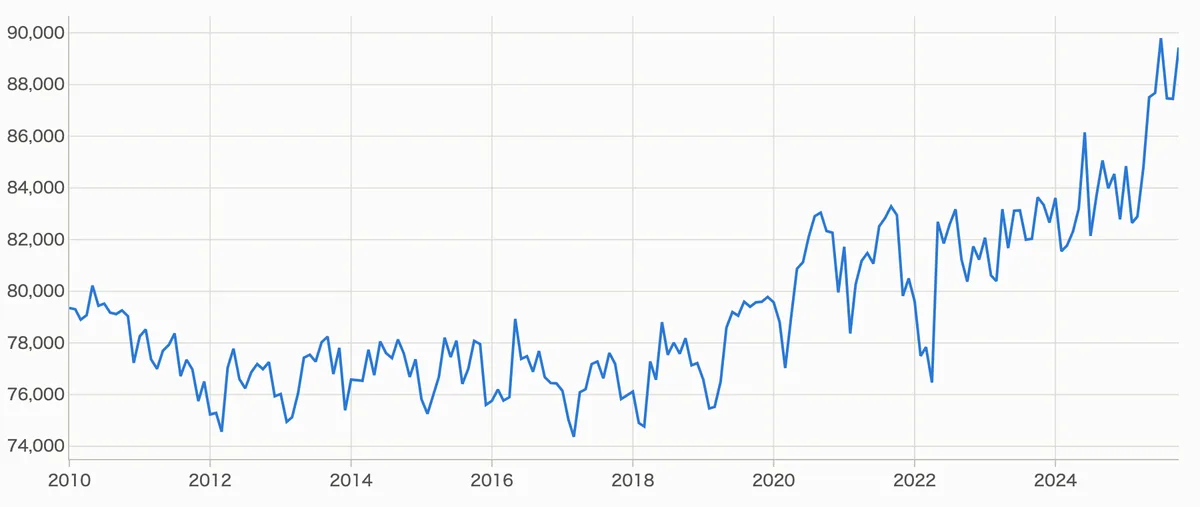
Omura, a data scientist at Sumasate, which offers valuation and analysis tools for the rental property market, explains how to turn rent data into a rent index. The example uses rental listings for single-person units in an area of Tokyo. A simple monthly average shows rents falling after 2010 and rising from around 2019, but the line is very bumpy, which suggests noise in the data.
The author describes two main types of rent index: asking and contract-based indices, and payment-based indices. Mitsui Sumitomo Trust Research Institute and the Cabinet Office publish asking and contract-based indices, while Daito Trust Construction's indices and the rent CPI[2] in the consumer price index are payment-based. Asking and contract-based indices often use the hedonic method[1], which is multiple regression, to adjust for property quality.
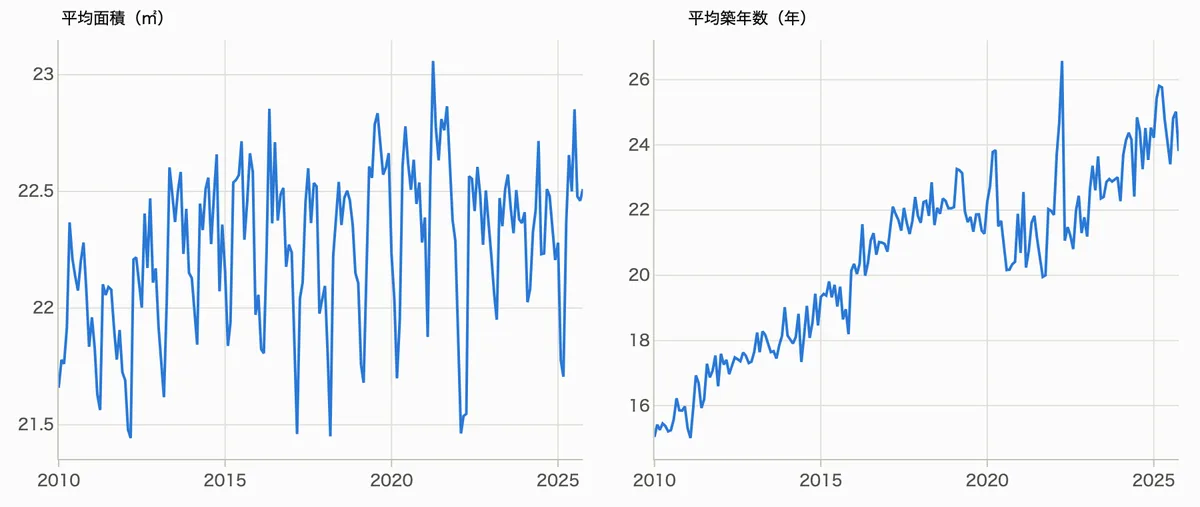
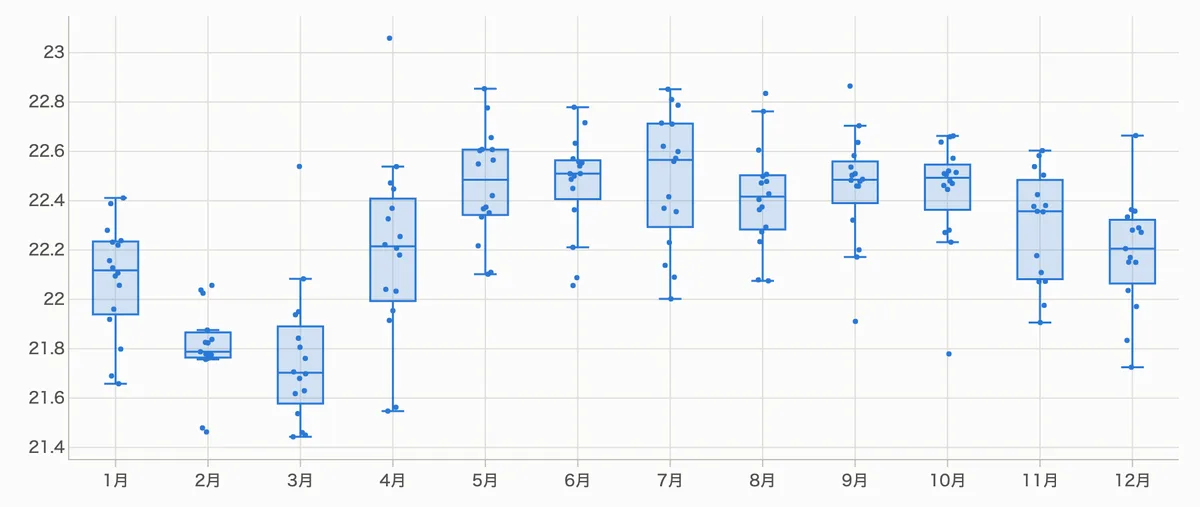
The model regresses log rent on a dummy for each month, building age and log floor area. Raw averages reflect changes in the mix of properties: floor area is seasonal, with more small units listed from January to March, and average building age trends upward. After adjustment, the seasonal effect is reduced, and the 2010–2020 decline in the raw average, which was driven by rising building age, becomes flat to slightly rising. The author also tests coefficients that change by period, which gives similar results here and keeps past values fixed when new data are added, though it may cause drift[3] in the index.
Sources
-
JPZenn JA
家賃相場ってなんだろう?