Police stop drivers over 'suspicious' travel patterns flagged by license plate cameras
Latest in the story ·
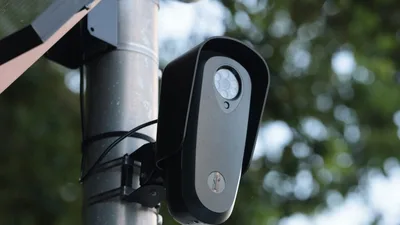
Communities across the US have pushed back against AI-powered automatic license plate readers (ALPRs)[1] over mass surveillance concerns, and the ACLU has documented police traffic stops based solely on data from Flock[2] cameras and similar devices. The reports go back to at least 2025 and show how closely authorities can track the movements of most motorists. In one case from late 2025, a self-identified FBI agent ran a woman's license plate through a database during her road trip through several states to Florida and stopped her simply because she was from another state and her recent travels seemed unusual to the ALPR network. In another 2025 case, police stopped a man for driving back and forth between his home in Wisconsin and Michigan: marijuana is legal there, and authorities suspected he was carrying it to parts of the country where it remains illegal.
The AI-powered cameras automatically feed passing cars' license plates — not always accurately — into nationwide databases that authorities can search without warrants. The technology lets officers theoretically track the movements of any vehicle that has driven past a camera, and in some cases link associations between different vehicles and mobile devices to build and connect profiles. Dozens of officers have been caught using the cameras to stalk ex-partners, and stops based on ALPR data raise questions about whether driving patterns amount to probable cause[3].
Earlier this year, an Oklahoma judge called a similar stop unconstitutional indiscriminate mass surveillance, even though it led to the seizure of 91 pounds of meth. In response, a Florida representative has introduced a bill to require warrants to search ALPR databases, while other politicians want to ban the technology outright. Supporters claim the cameras help solve crimes, find missing persons, and combat illicit trafficking.
Terms
- Fourth Amendment — The part of the US Constitution that protects people against unreasonable searches and seizures.