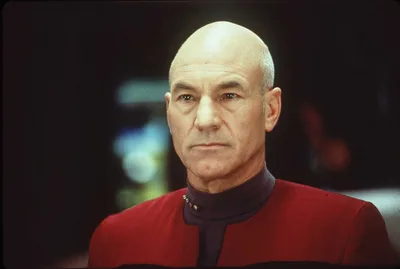
Patrick Stewart, who played Captain Picard on Star Trek: The Next Generation, has died
Latest in the story ·
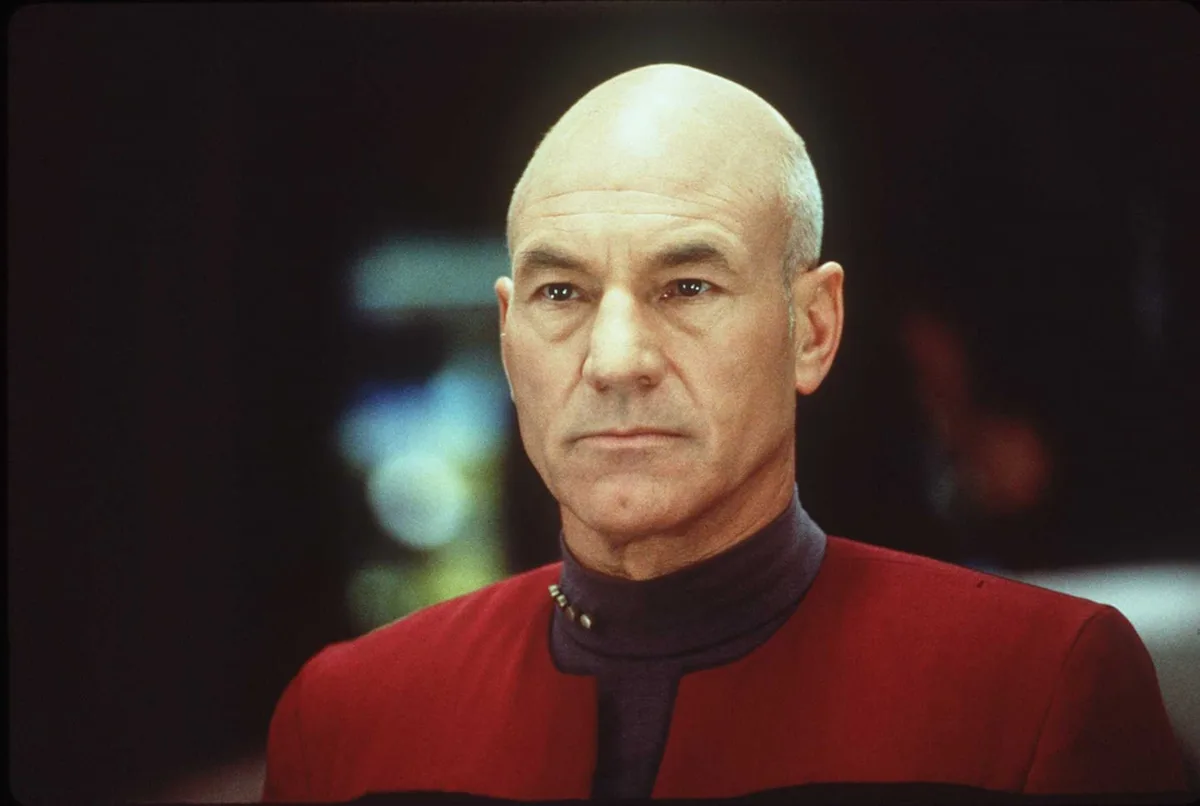
Patrick Stewart, the actor best known for playing Captain Jean-Luc Picard on Star Trek: The Next Generation, has died; his family said he had Alzheimer's and Lewy Body Dementia[1]. Beyond the Enterprise, he anchored the X-Men film franchise and was a stage dynamo for decades. Over The Next Generation's seven seasons, four movies, and the revival series Star Trek: Picard, which ended three years ago, he portrayed a model of mature, responsible adulthood for a generation of bookish, imaginative, somewhat nerdy boys.
In a joint reflection, two Boston Globe journalists and longtime Star Trek fans, John Hilliard and Jason Laughlin, argue Picard stood apart from prestige TV[2] anti-heroes like Tony Soprano and Walter White: a nuanced character audiences genuinely admired. Picard loved his job, had passions like archaeology, Shakespeare, and music, and held to his ideals even when it meant terrible personal sacrifice. They point to his moral clarity — including a speech on censorship and forbidden thought that ends a McCarthy-esque admiral's witch hunt — and to Stewart's ability to show vulnerability, as when Picard collapses sobbing in the mud while recovering from a traumatic assault at his home village in France. Hilliard places the role alongside Mr. Rogers and Bob Ross, calling Picard essentially everyone's Space Dad.
The episodes they highlight include "The Inner Light," in which Picard lives an entire lifetime on an alien planet that turns out to be an illusion experienced in less than an hour, leaving him only a flute. In another, he presses Wesley Crusher, played by Wil Wheaton, about hiding his complicity in a friend's death: "A lie of omission is still a lie," and an officer who cannot tell the truth does not deserve the uniform. Stewart was 47 when he began playing Picard, and Laughlin, now about the same age, writes that the best episodes have taken on new resonance — family tensions are real and devastating, professional choices have lasting consequences, and middle-age melancholy lingers on the periphery of every happy moment.