Why so many arguments about human nature?
This LessWrong post asks why arguments about human nature get so heated. The author plans a later post arguing that humans are not "optimizers" and offering a different model of what people are.
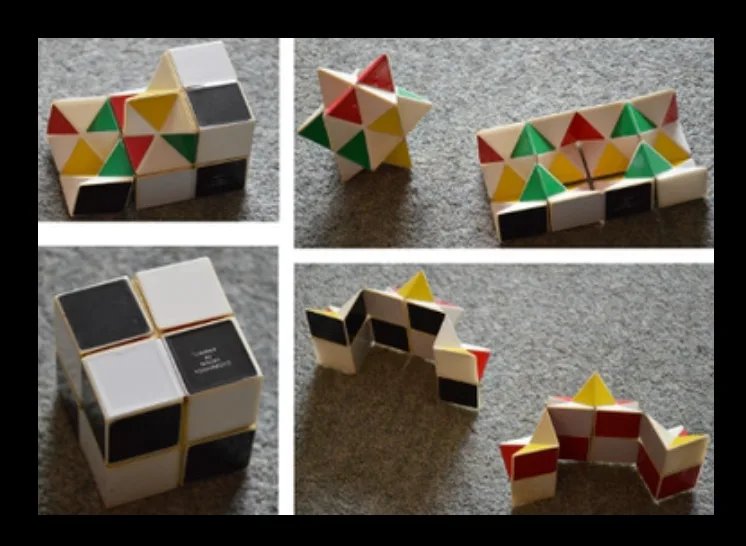
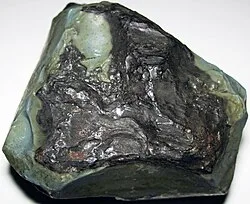
The author compares humans to a Yoshimoto Cube[1], a toy that can be arranged into many shapes, rather than to a rock with one fixed shape. People are shaped by culture, early experiences and surroundings, so it is more useful to ask which range of natures they can stably take on. Beliefs about human nature also shape behavior: people tend to act in line with the models of themselves and their communities that they already believe in. This creates an incentive to influence others' predictions about human nature, which explains why the topic becomes political.
The author wants to keep three things apart: accurate knowledge about which configurations are possible, political choices about which configurations a community should support, and personal choices about how one wants to live. The author will also keep separate arguments that a model predicts better from arguments that it is a desirable choice. The post draws a parallel with questions about the nature of LLMs, and says that deliberately lying to create better self-fulfilling predictions is not a good idea.
Read the original lesswrong.com
Discussion
Commenters mostly point to politics as the main reason for the heat: people hold political positions that only make sense under one view of human nature, so they resist evidence for the other view. One commenter disagrees with the author's plan, arguing that treating humans and oneself as optimizers is useful for explaining behavior in business, politics and social life.
Sources
-
LessWrong
Why so many arguments about human nature?
Terms
- author power — The ability to act consistently from a chosen identity, including through one's more instinctive processes.