Super El Niño to make Korea's winter warmer than normal, with more rain
On 23 November, the Korea Meteorological Administration published its three-month outlook for December 2026 to February 2027. It expects a warmer than normal winter with generally above-normal precipitation, mainly because of El Niño[1], which began in May this year. Normal refers to the 1991–2020 average, and the forecast combines climate models from weather agencies around the world with data on the atmosphere, oceans, Arctic sea ice[2] and snow cover.
December and February each have a 50% chance of a higher-than-normal average temperature, and January has a 40% chance of being similar to or above normal. Precipitation is most likely to be similar to or above normal in December and February (40% each), while January is most likely to be near normal (50%). In October, sea surface temperature in the El Niño monitoring area was 2.6℃ above normal, the highest for that period since 1950, surpassing the strong El Niño years of 1997 and 2015. The agency expects El Niño to be strongest in December.
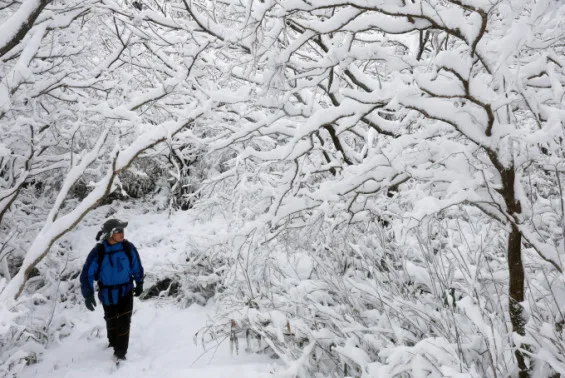
The forecast also warns of cold spells, because Arctic sea ice in the Barents and Kara seas is near record lows, which could let cold air from Siberia reach East Asia. Heavy snow is possible in western areas, and there is a risk of drought in the Seoul metropolitan area and Gangwon Province because summer rainfall was low, with moderate or severe drought possible in parts of Gangwon. Lee Mi-seon, head of the agency, urged people to take special care to prevent damage from local heavy snow and large temperature swings.
Read the original dongascience.com
Sources
-
KRDong-A Science KO
'슈퍼엘니뇨' 올겨울 평년보다 따뜻…강수량 많고 기온 변동 커