Schools told to prepare for blackouts and overnight pupil stays
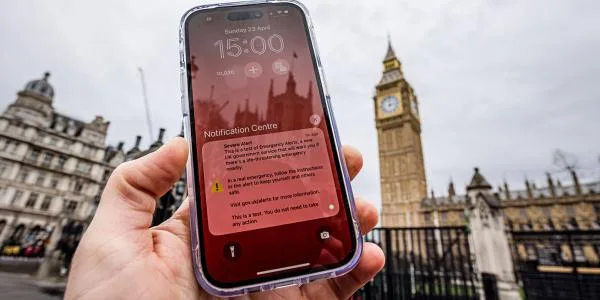
The Department for Education (DfE) has published updated guidance telling schools to prepare for national power outages, disruptions to food and water supplies, and situations in which pupils may need to stay on site overnight. Published on 26 November 2026, the guidance also names suspicious drone activity and chemical releases as potential threats. The DfE advises schools to use the National Risk Register[1] to inform their emergency planning and to consider how long they could stay open without critical services.
The DfE also published nine “emergency action cards” with the guidance. In a national power outage, schools are told to fill drinking water supplies, use fresh food first and ensure pupils have access to warmth and medication. Councils may ask schools to remain open for priority groups, and schools should prioritise the attendance of vulnerable pupils, children of critical workers and pupils due to sit exams. The guidance says: “Do not assume that closing will necessarily reduce the risk to children and young people.”
Schools are asked to test their plans regularly, including whether they can stay open if digital services become unavailable at the same time. Multi-academy trusts[2] are expected to coordinate responses across their schools and share resources and advice.
Read the original tes.comDiscussion
Primary sources and details
- Primary source DfE guidance on emergency preparedness for schools gov.uk
- Primary source DfE emergency action cards, accessible online version gov.uk
- Primary source National Risk Register 2026 on GOV.UK gov.uk
Sources
-
Tes Magazine
Schools told to prepare for blackouts and overnight pupil stays



 archive