Pakistani architect Kamil Khan Mumtaz revives traditional building methods in Lahore
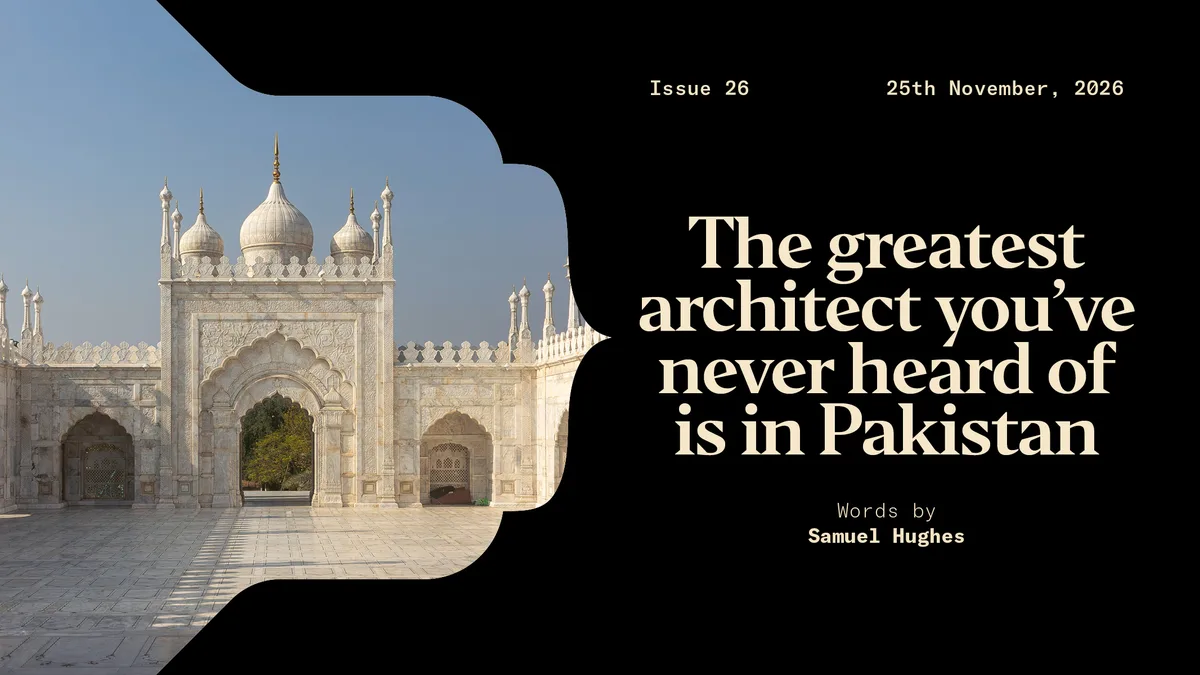
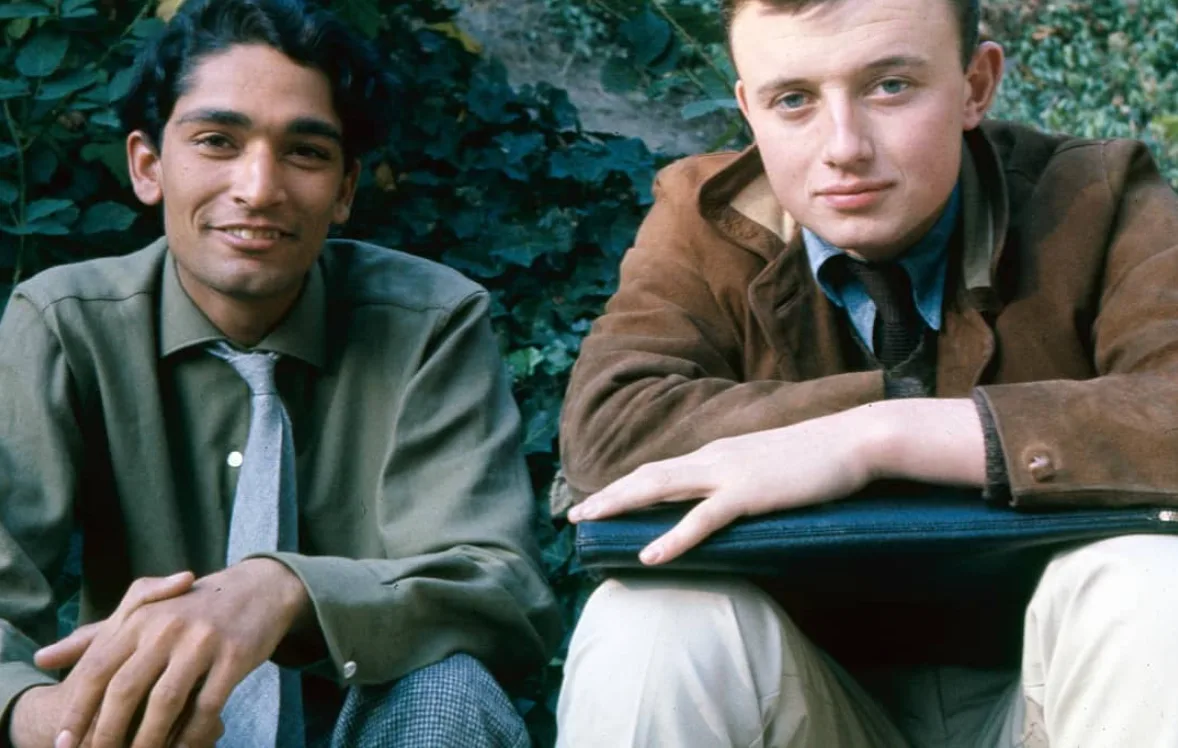
Works in Progress publishes a photo essay on Kamil Khan Mumtaz, a Pakistani architect who is admired at home but almost unknown abroad. He was born in Calcutta in 1939, grew up in what became Pakistan, studied at the Architectural Association in London, and returned in 1966 to practise. He was a communist activist and was twice imprisoned by the military dictatorship.
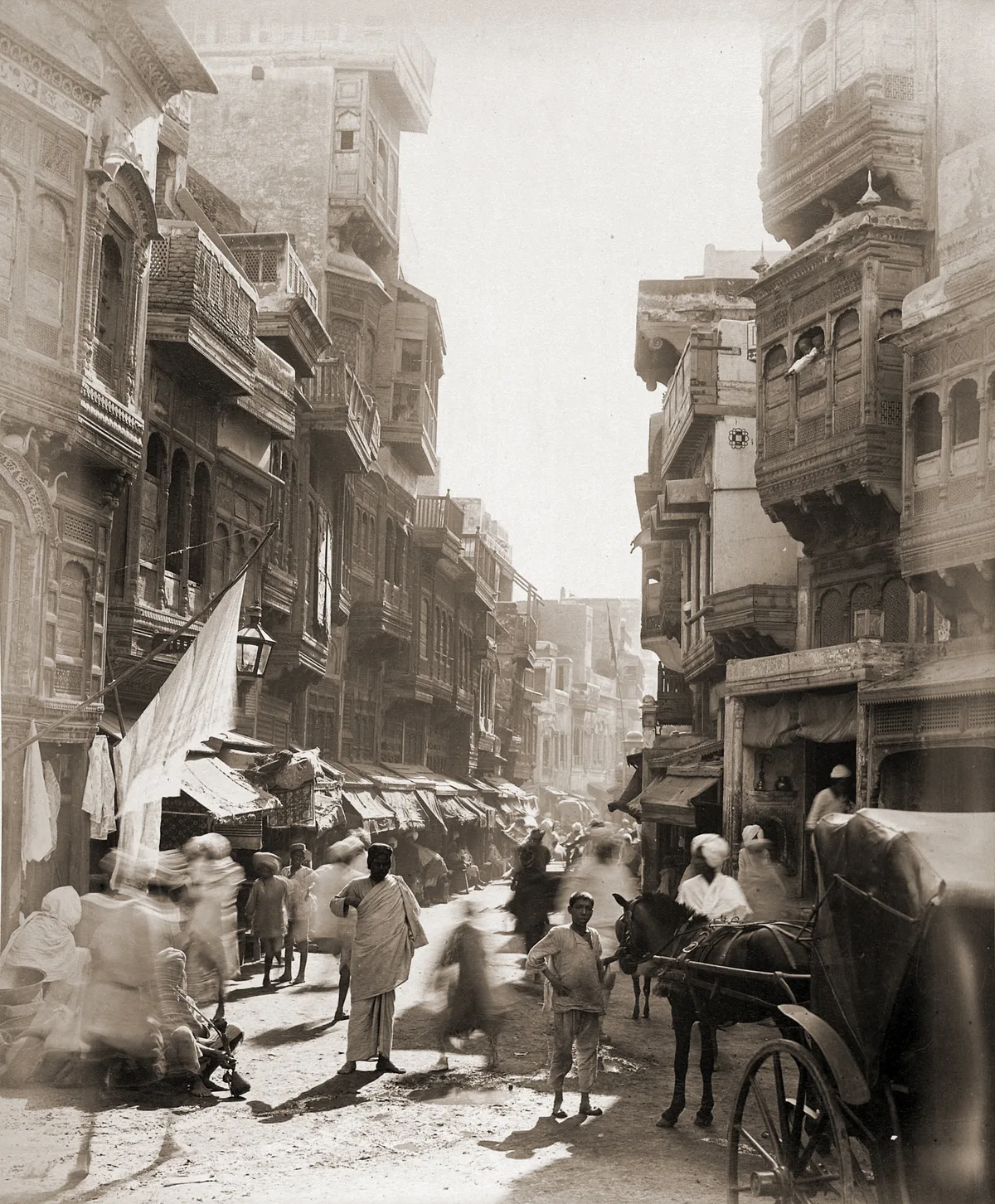
In the late 1970s he wrote a report on the Walled City of Lahore urging its preservation, and parts of it are now a UNESCO World Heritage Site. In 1980 he read a book by the Iranian architect Nader Ardalan on Sufi tradition in Persian architecture, which changed his approach. Since then he has worked to revive older Pakistani traditions in homes, offices, mosques and schools.
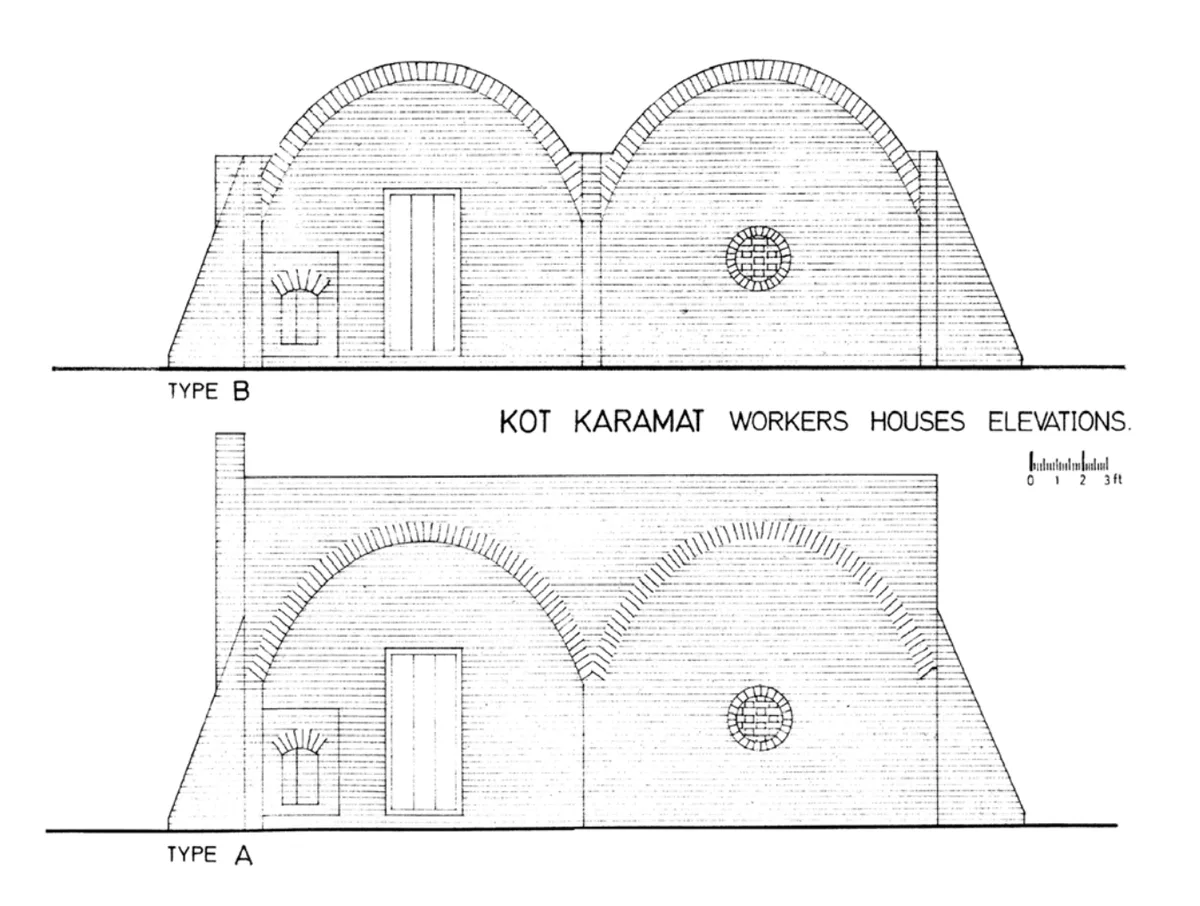
Working with his craftsmen, he rediscovered lost techniques, including certain brickwork, the flat dome and muqarnas[1]. His craftsmen say that some of these had not been done for 300 years. Now in his mid-eighties, Mumtaz continues to build.
Read the original worksinprogress.coDiscussion
Sources
-
Works in Progress Magazine
Kamil Khan Mumtaz: Pakistani architect, admired at home, almost invisible abroad



 archive