Remote embalming and shipment for brain or whole body preservation with Sparks
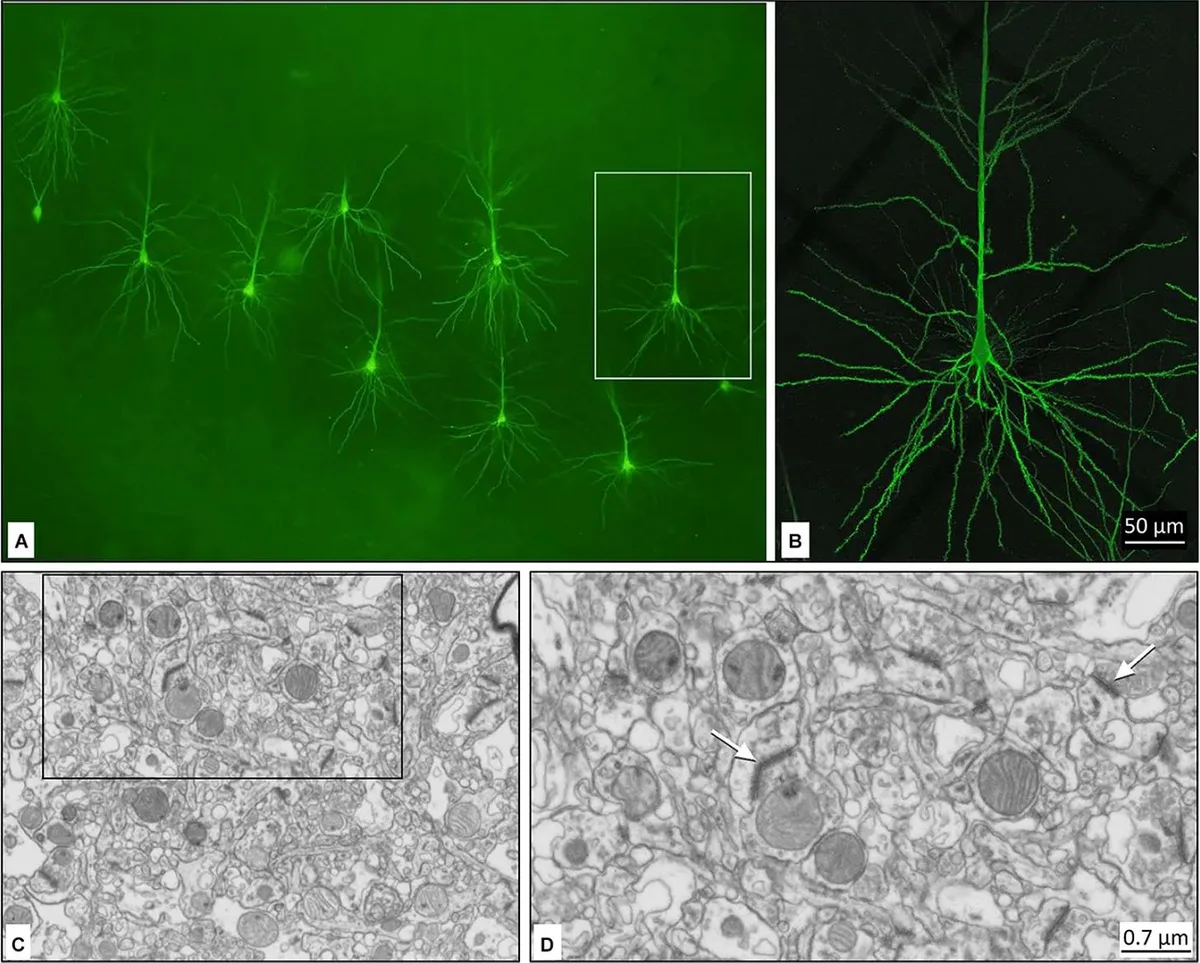
The author, a research scientist at the preservation organization Sparks, takes up the situation of people who want their brain or body preserved after legal death with the goal of possible future revival but live too far from a preservation organization for a team to arrive within 4-12 or even 24 hours. The argument is that local embalmers, who already pump aldehyde-containing solutions through the blood vessels of the recently deceased, could perform the initial stabilization themselves. Direct studies of commercial embalming fluids are lacking, so the main evidence comes from forensic pathology studies of exhumed bodies, which generally find tissue structure reasonably well preserved; reported artifacts such as myelin splitting also occur with conventional fixatives[1]. Direct evidence on the brain's fine structure is minimal or nonexistent and publication bias is possible, but the author concludes that the formaldehyde in embalming fluid preserves tissue structure as expected.
The reasoning chain becomes much stronger if embalmers can obtain neutral buffered formalin[2] instead of commercial embalming fluids: in the brain banking study Insausti et al 2023, which the author calls one of the best in the field, prompt perfusion[3] of 4% paraformaldehyde through the common carotid arteries toward the head yielded high-quality preservation of fine brain structure, and other research suggests 10% neutral buffered formalin, which contains approximately 4% formaldehyde, can give similar results. Data from the Sparks laboratory indicate that a washout step to remove blood clots is unnecessary — formalin can be perfused right away, which substantially simplifies the procedure for embalmers. In the author's opinion, embalming alone is not a good long-term strategy because the body should also be immersed in fixative to preserve regions that arterial perfusion does not adequately reach and to limit oxidative damage and dehydration, but it is adequate for short-term transport to a facility.
Sparks is, as far as the author knows, the only preservation organization in the world that offers brain-only or whole body preservation after conventional embalming performed by a remote funeral professional; the Cryonics Institute historically advised remote vascular washout but no longer recommends it, reportedly because it could make later cryoprotectant[4] perfusion at its facility more difficult. Sparks uses aldehyde fixation rather than the approach of cryonics organizations, which is what allows embalmers to perform the initial procedure remotely; within the continental US it deploys its own personnel, while for Alaska, Hawaii and other countries such as Canada, a local funeral director performs arterial embalming and the whole body is shipped to its headquarters in Salem, Oregon for long-term storage of either the brain or the whole body. Brain preservation costs $7500, or $6000 with the long-term membership discount, and whole body preservation is available for an additional fee.
Read the original lesswrong.com
Sources
-
LessWrong
Remote embalming and shipment for brain or whole body preservation with Sparks