NASA's Artemis II moon launch tore holes in the ionosphere and disrupted GPS signals
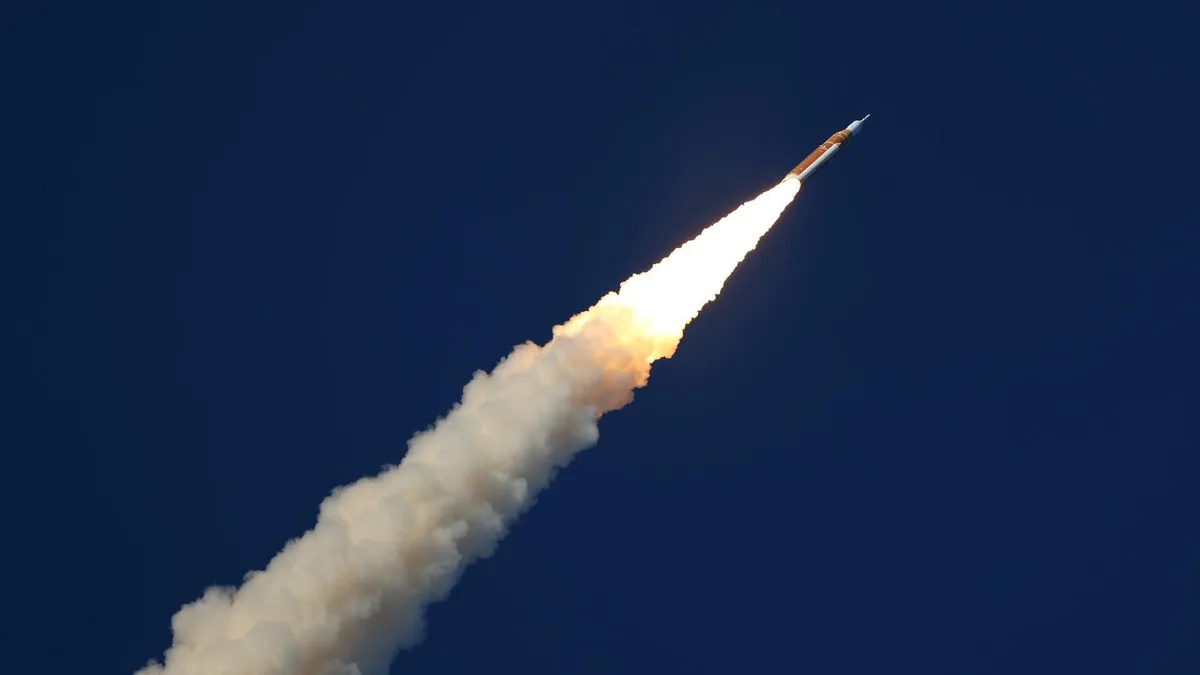
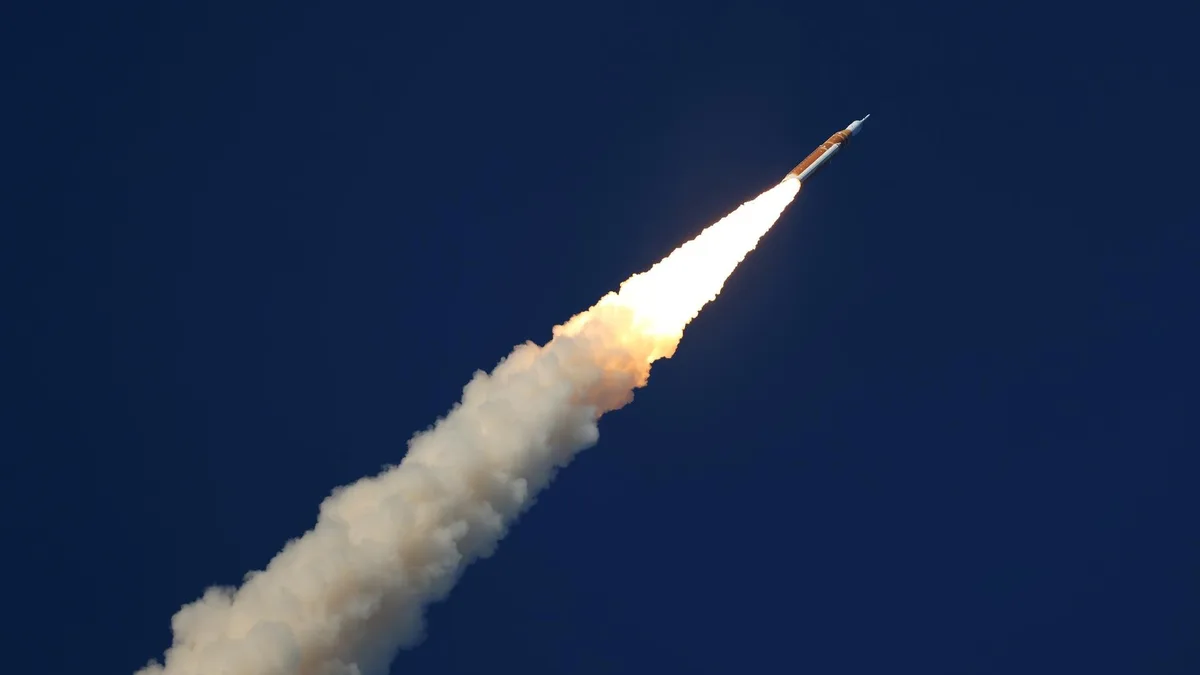
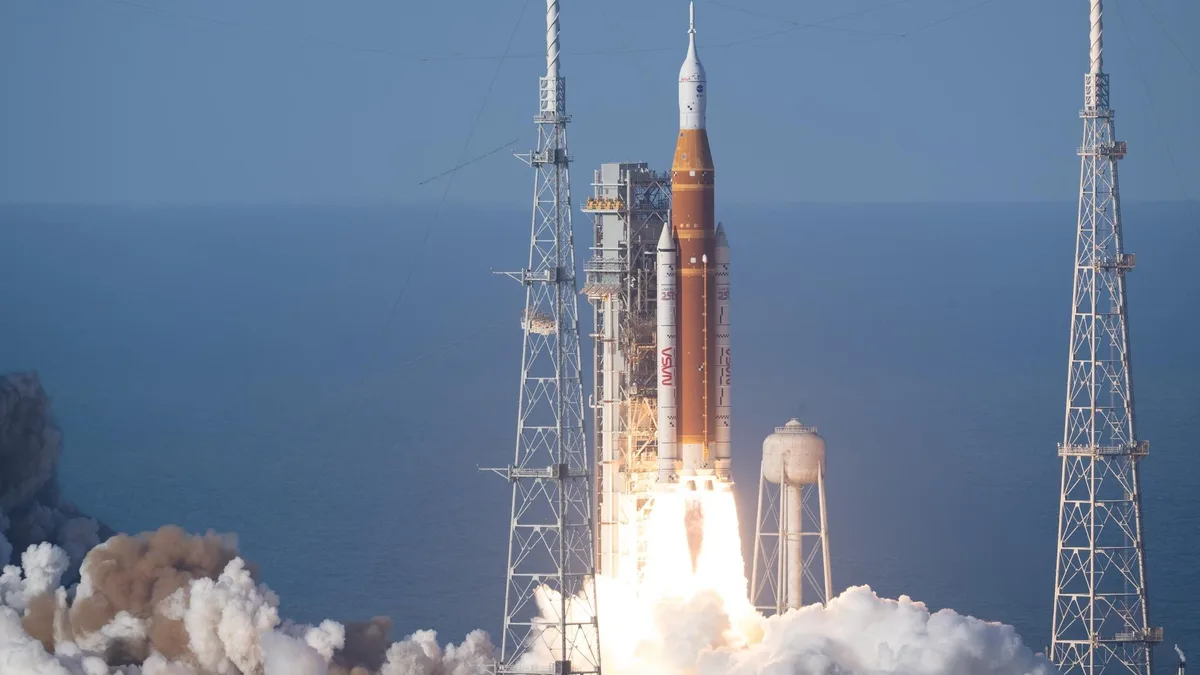
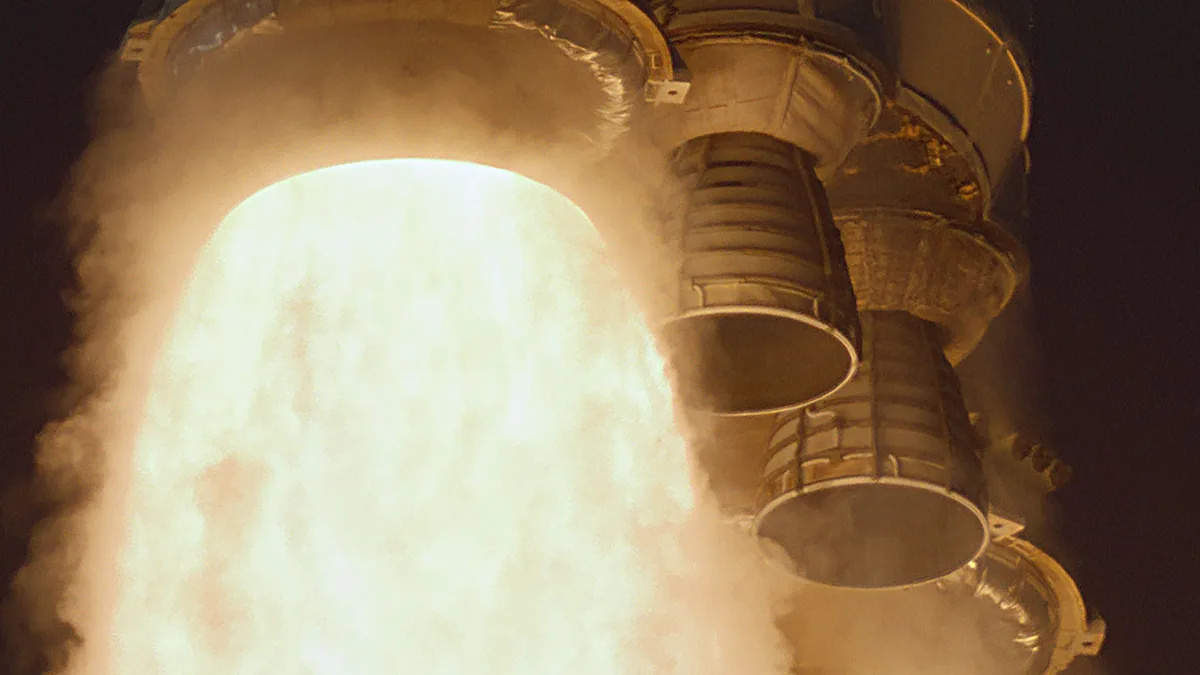
The launch of NASA's Artemis II moon mission in April 2026, which returned humans to lunar space for the first time in more than fifty years, disturbed Earth's ionosphere[1] enough to trigger temporary, localized GPS positioning errors, a new study by researchers at National Cheng Kung University in Taiwan found. During the launch, ground-based GPS stations detected changes in electron density equivalent to positioning errors of several meters. The team used high-precision networks of fixed, ground-based GPS receivers, which U.S. scientific institutions employ to measure the minuscule motions of Earth's tectonic plates before earthquakes, and reconstructed how the Space Launch System (SLS)[2] rocket changed free electron[3] concentrations in the electrically charged layer of the atmosphere at altitudes above 30 miles (50 kilometers). The disturbances were more significant than those from any other rocket launch to date and up to ten times more intense than those observed after SpaceX Starship test launches, even though Starship is twice as powerful as the SLS based on liftoff thrust.
Charles Lin, an earth science professor at National Cheng Kung University and one of the study's co-authors, said a positioning error of a couple of meters is enough to make an autonomous car change lanes and could strongly affect self-driving cars and drone positioning. GPS receivers determine their position by measuring their distance to four GPS satellites orbiting at around 12,550 miles (20,200 kilometers), far above the upper edge of the ionosphere; when free electron concentrations change, the signal reaches Earth faster or slower, resulting in inaccurate measurements. Severe solar storms can disrupt GPS signals for days, while the effect of a rocket launch — a shock wave that virtually punches a hole in the ionosphere — is much more short-lived.
The researchers observed two such holes: one left behind by the rocket's 212-foot-long (65-meter) core stage and the other caused by two upper-stage thruster burns at altitudes around 115 miles (185 kilometers) more than an hour after lift-off, which allowed the Orion capsule to break free from Earth's gravity and head for the moon. Both holes stretched across the American continent from east to west like giant 3,100-mile (5,000-kilometer) contrails, and despite the core stage's power, the disturbance from the second-stage burns directly inside the ionosphere was far more prominent. Lin noted that such an orbital maneuver has never been seen before in an interplanetary mission and that these space weather effects will become much more significant as more missions travel to the moon and Mars; the study was published as a pre-print[4] online in the journal Geophysical Research Letters.
Read the original space.comDiscussion
Sources
-
space.com
NASA's Artemis II moon launch tore a hole in Earth's upper atmosphere so huge it disrupted GPS signals