GLP-1 drugs could free up farmland larger than Italy, new study finds
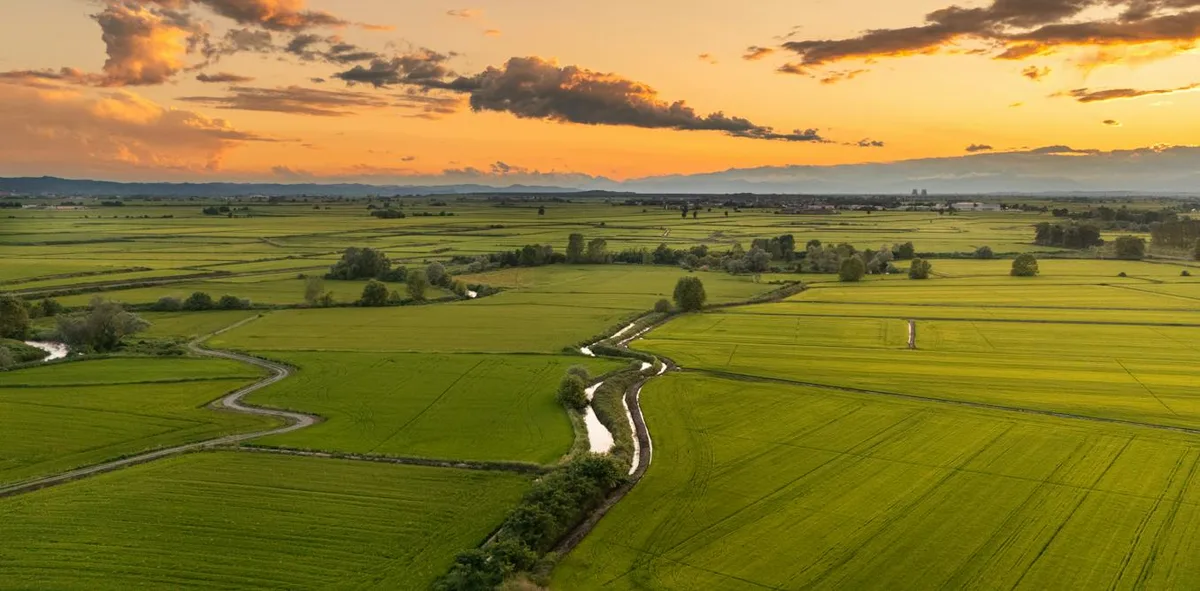
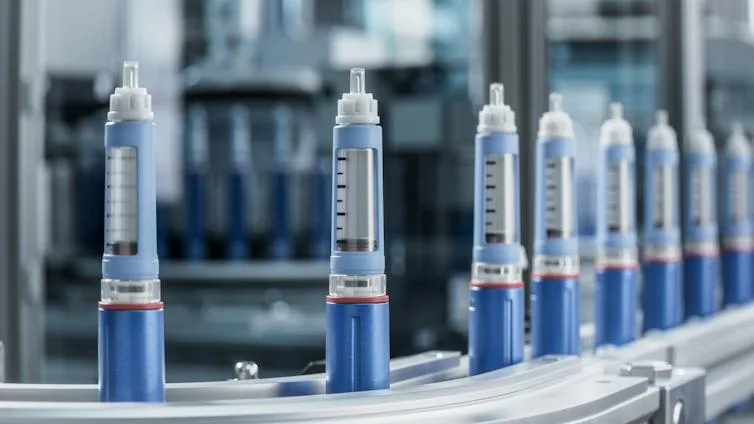
GLP-1[1] medicines such as Ozempic and Wegovy could affect the global food system, not only the people who take them. The authors ran a computer simulation of scenarios, from use concentrated in high-income countries to widespread global access. With widespread use among adults living with obesity, they estimate that reduced calorie intake could prevent up to 6.6 million deaths each year by 2050 and free up as much as 32 million hectares of agricultural land, slightly larger than Italy.
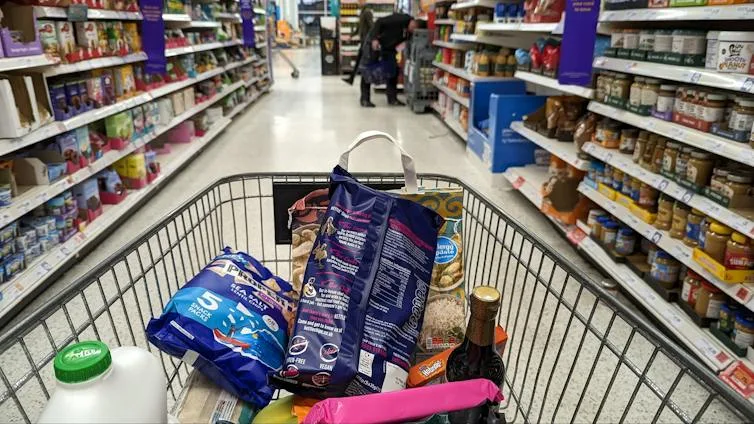
The largest effects appeared when reduced calorie intake was combined with a shift towards healthier diets: up to 7 million deaths could be avoided each year by 2050, and around 46 million hectares would become available. The authors say food systems are interconnected, so lower demand in one part of the world can change prices and farming elsewhere. Lower prices could encourage more eating among people who do not take the medicines, which would offset some of the benefit.
The authors stress that their findings do not mean more people should be put on medication, or that people with obesity must lose weight to reduce environmental impact. They argue that the medicines should work alongside changes to the food environment, such as affordable healthier food, less promotion of unhealthy options and agricultural policy that supports nutritious, sustainable production.
Product Ozempic ozempic.com
Ozempic (semaglutide) is an injectable or oral GLP-1 medicine, approved for treating type 2 diabetes and lowering blood sugar.
Product Wegovy wegovy.com
Prescription medicine (semaglutide, a GLP-1 drug) that helps adults with obesity or overweight lose weight alongside diet and exercise.
Read the original theconversation.comDiscussion
Discussion
Most comments are jokes about body weight, farmers and the size of Italy. The substantive point is that the study does not count the extra food eaten by people who would otherwise have died; one commenter said Gemini estimated the gains would shrink by about 10%. Another commenter argued that obesity is linked to insulin resistance rather than overeating.
Links from the post and discussion
Sources
-
The Conversation
GLP-1 drugs could have a surprisingly large environmental payoff