Why you should download and archive your favourite YouTube videos
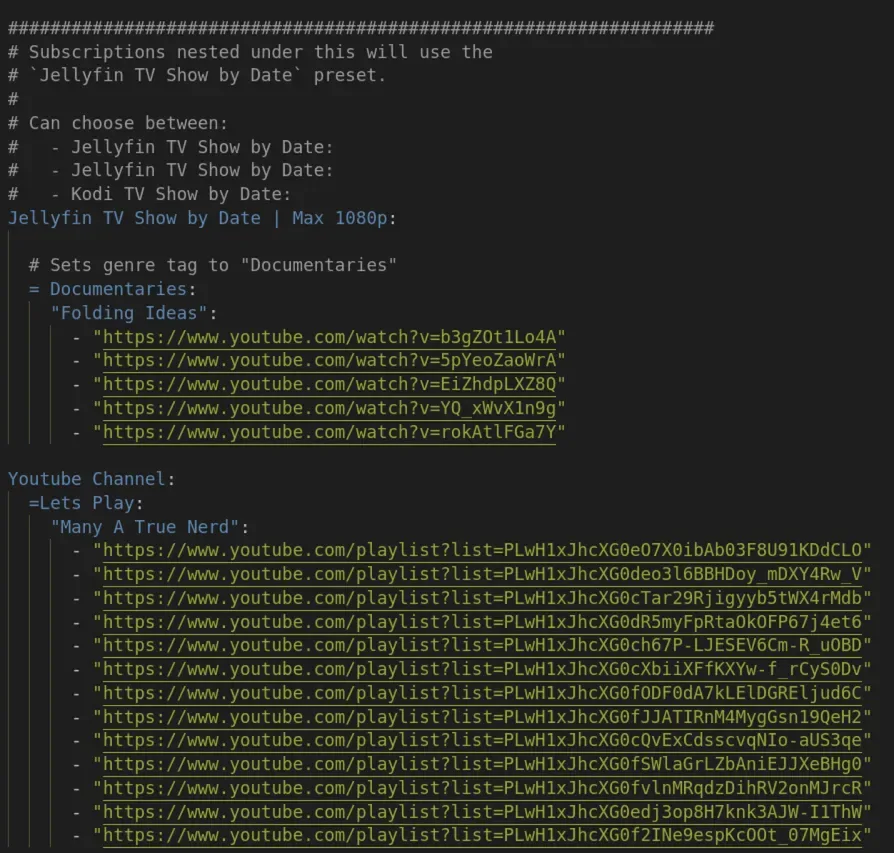
The post urges readers to download and archive YouTube content that matters to them, arguing that the corporate internet is hostile to art and that favorite videos can disappear at any time. As evidence, it points to the "liked videos" playlist, where many early entries are no longer available — so commonly that YouTube hides them unless you enable a setting in the playlist settings.
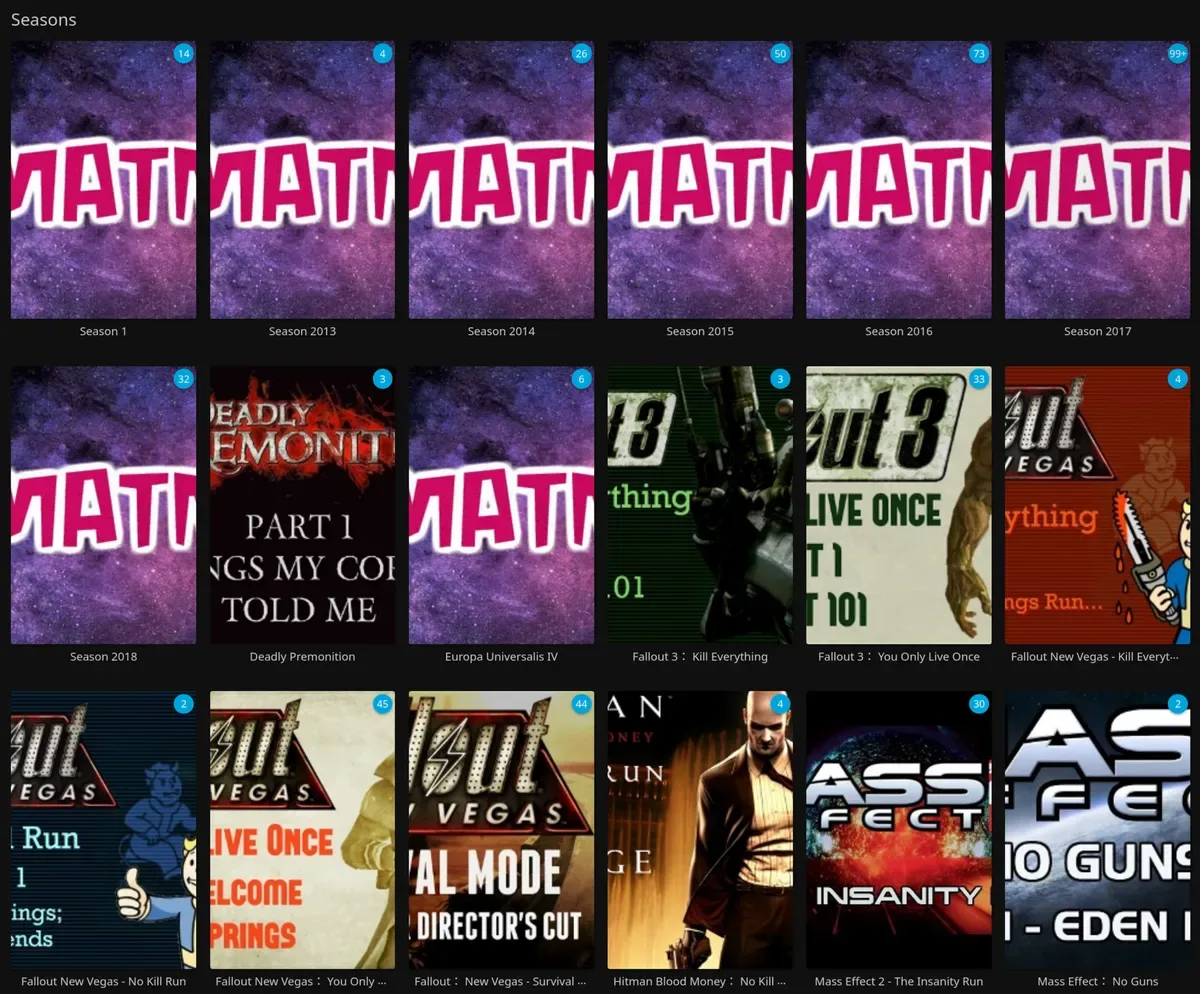
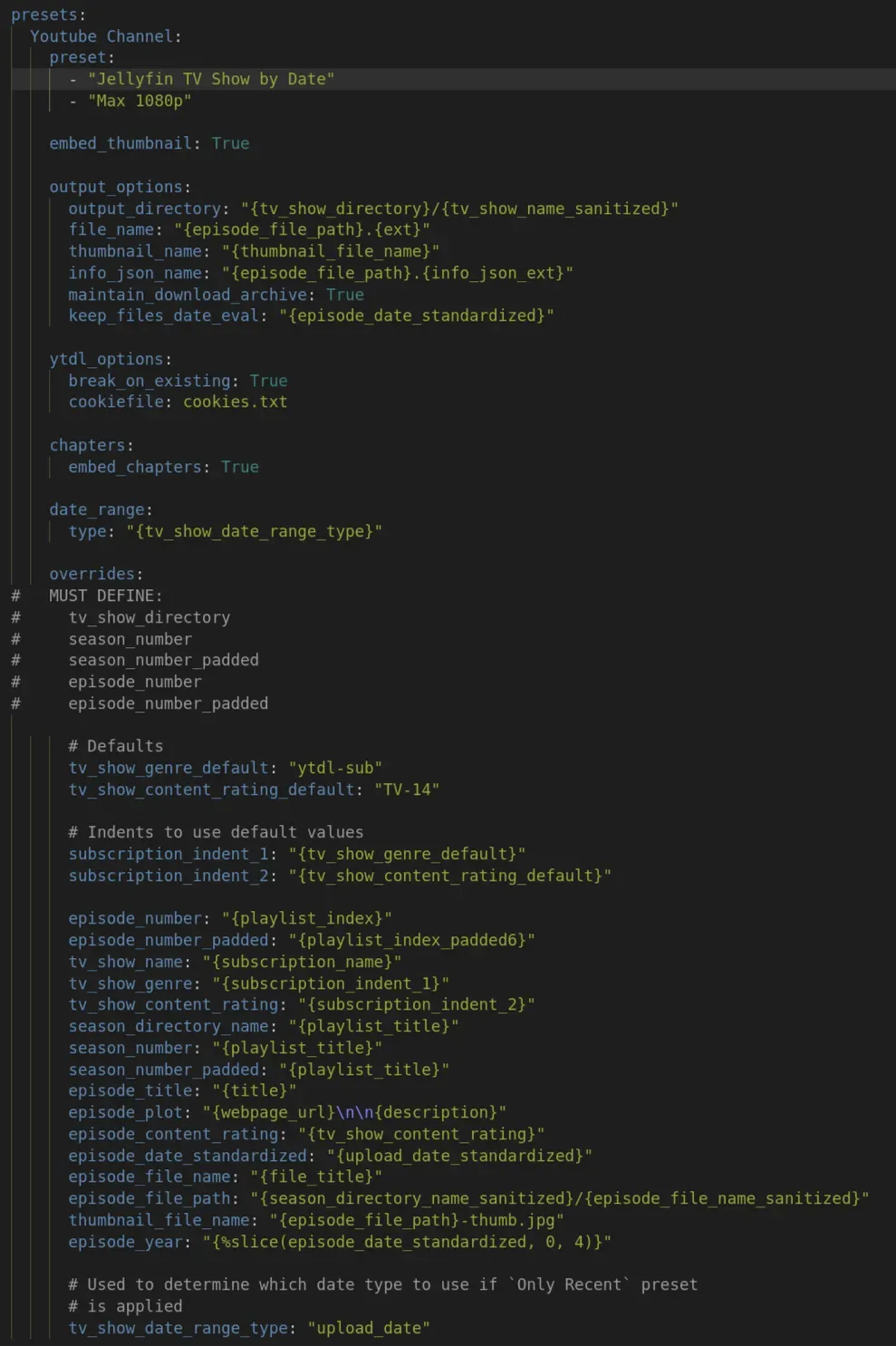
For basic archiving, the author recommends yt-dlp or one of its many wrappers, plus a folder on a bulk storage drive or NAS. Their own setup is more elaborate: they fall asleep to Many a True Nerd Let's Play videos and need them playable on a TV, integrated with their NAS, organized into hundreds of videos across dozens of playlists, with automatic ingestion. Since their NAS media library runs on Jellyfin, they built a TV Shows library called YouTube with metadata scrapers disabled, and use ytdl-sub — the only wrapper that handled playlist structure — configured through .yaml files in a self-hosted docker-compose form with a built-in web-app VSCode IDE. A key fix was assigning the Playlist title as the Season Number in the ytdl-sub config, though Jellyfin won't update Season Numbers for already-imported videos without a full library reimport.
For storage, the author uses Tdarr, a service that automatically re-encodes a video library, to convert everything to HEVC/H.265 because storage is their bottleneck. It saved about 700GB across the 2TB library, but the author hesitates to recommend it: the UI is complex and poorly designed, it breaks on complex workflows, and it can cause Jellyfin to lose thumbnail images.
Read the original criminallyvulgar.devDiscussion
Discussion
Commenters share related frustrations and tips: one wants a reliable way to search YouTube and pipe results into yt-dlp, another has archived whole channels that later became paywalled. Others suggest yt-dlp's --recode-video option instead of Tdarr and note that watching a YouTube video already means downloading it to disk.
Sources
-
criminallyvulgar.dev
Download your favourite YouTube videos
Terms
- yt-dlp — A command-line tool for downloading videos from YouTube and other sites.
- NAS — Network Attached Storage, a storage device on a local network used to store and share files.
- Jellyfin — A self-hosted media server application for organizing and streaming personal media libraries.
- HEVC/H.265 — A video compression codec that produces smaller files than older standards at similar quality.


