Visa study: AI agents completed shopping tasks successfully only 57% of the time
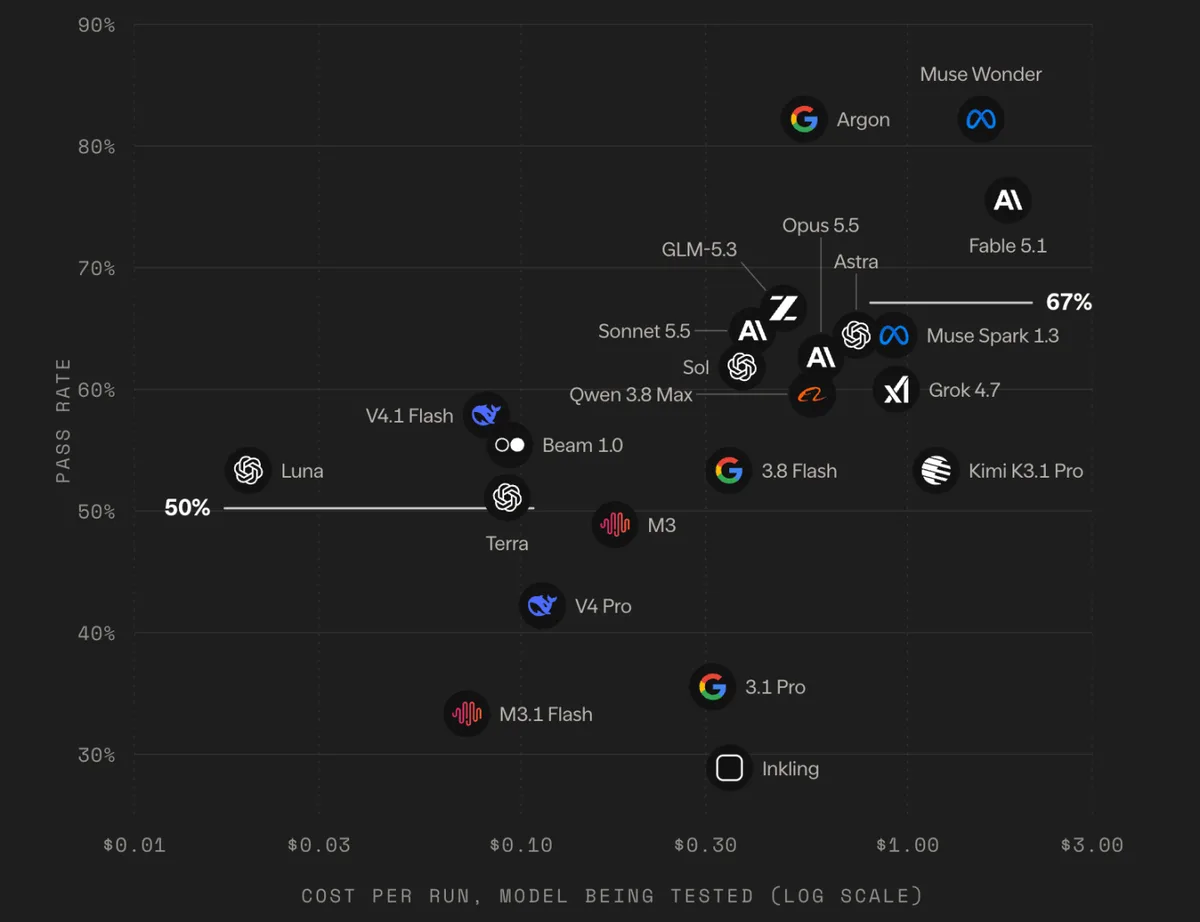
In a first-of-its-kind study, Visa instructed 22 different AI agents[1] to purchase three everyday items—a TV, a laptop and a hair appliance—and the overall success rate was only around 57%. The results are available on a new Visa website showing the outcome of 15 separate shopping expeditions by each of the 22 agents. Agents powered by more advanced models fared best: an Aragon 4 version of Google's Gemini and a Wonder version of Meta's Making each made a successful purchase 82% of the time, a Claude agent came third with 76%, and an OpenAI agent finished sixth with 64%. The five most expensive models succeeded on average 67% of the time, while the cheapest five scored 50%.
In the experiment the shopper was also an agent, given a list of required attributes for a TV—compatibility with a child's gaming console, a 30-day return window and Dolby Vision—but volunteered only some of the information. The shopping agent therefore had to elicit the missing details in a reasonable time, and in many cases it bought the wrong product or failed to suggest anything suitable. Visa's Global Head of Growth, Rubail Birwadker, said the industry is not there yet from a trust or technology perspective, but that agent-driven shopping is advancing rapidly. He noted product discovery is only one element of this new type of commerce, with smooth and secure payments another challenge that Visa and Mastercard are tackling through merchant education and tools for agentic commerce[2]. Unresolved legal questions remain, such as who bears liability when agents make rogue purchases or commit fraud. Alongside the study, Visa launched a website where consumers can interact with the agents used in the survey.
Read the original fortune.comDiscussion
Discussion
Commenters are mostly skeptical: many argue automated purchases should be far more reliable than 57%, and several say they would not give an AI agent their card details. One user describes ChatGPT repeatedly returning wrong prices and the same links while claiming to have found deals.
Sources
-
fortune.com
AI agents went shopping for TVs and laptops—and messed up nearly 50% of the time, study shows


