Swarmish: what happens when AI agent swarms invent their own language
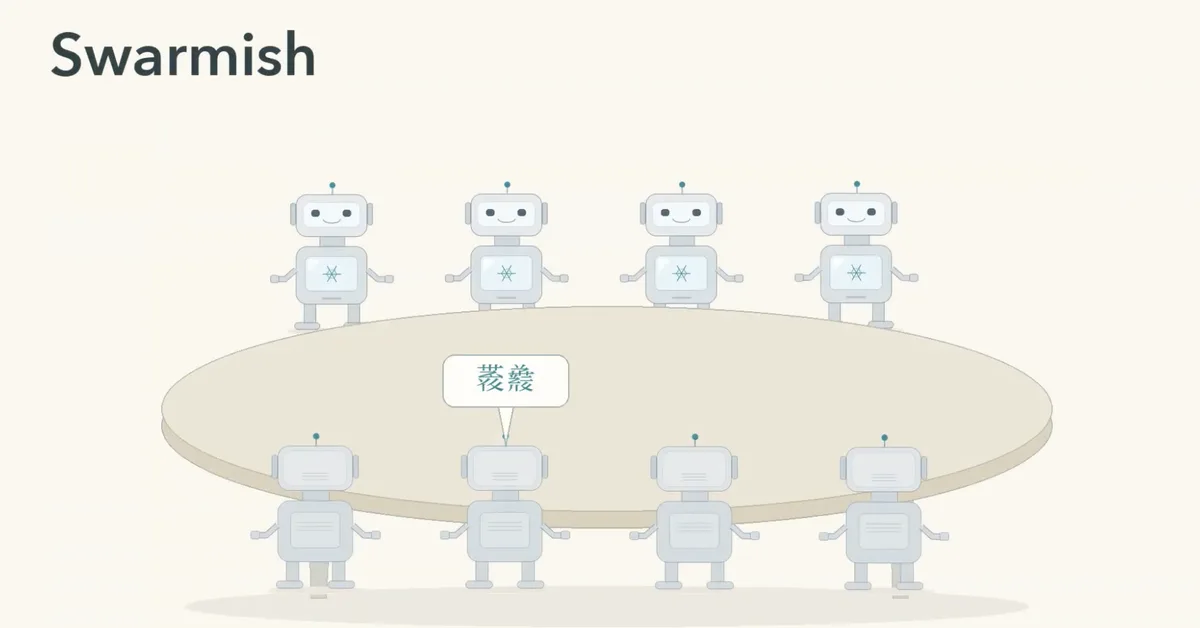
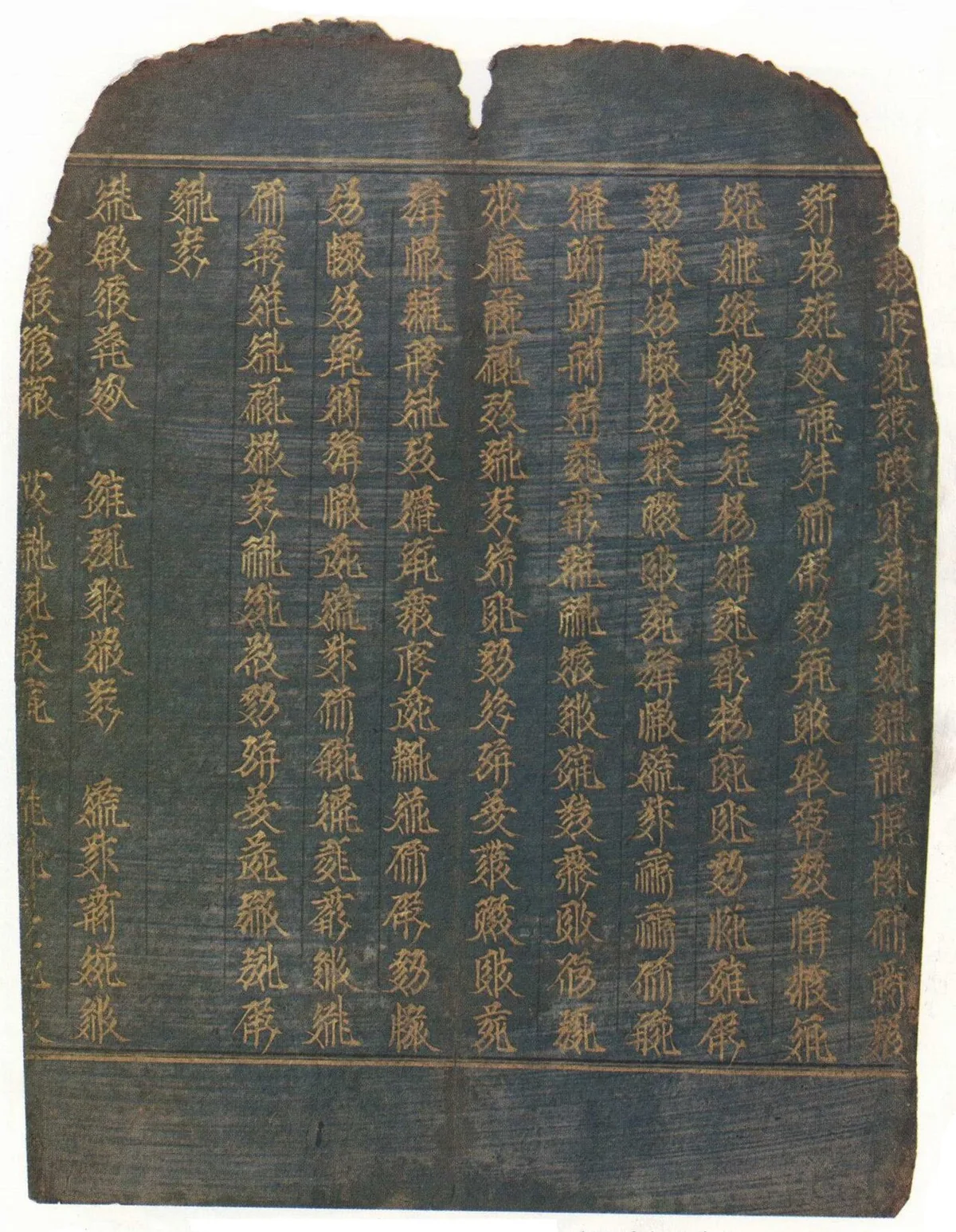
This research, conducted over 48 hours at the Apart Research Swarm Alignment Hackathon, tests whether groups of AI agents can invent a language that a separate monitor[1] cannot read. In round 1, 8 encoder agents receive 200 randomly chosen characters of the extinct Tangut[2] script and are asked to build a language called Swarmish, documented in a file limited to 250 lines. In round 2, 8 new agents must complete an escape room, "Hurricane Shelter", communicating only in Swarmish, with each agent holding part of the information needed to escape.
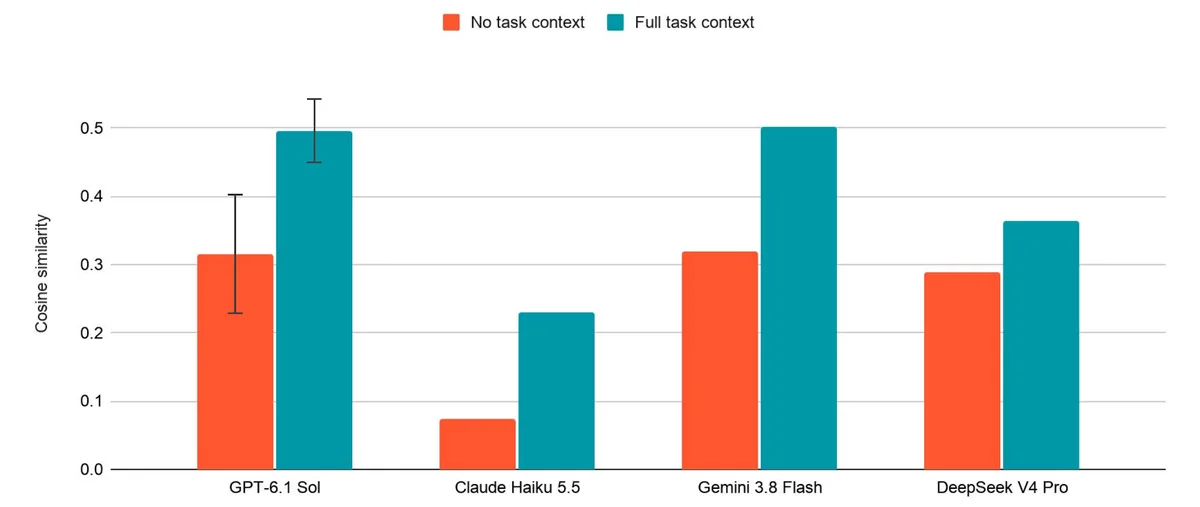
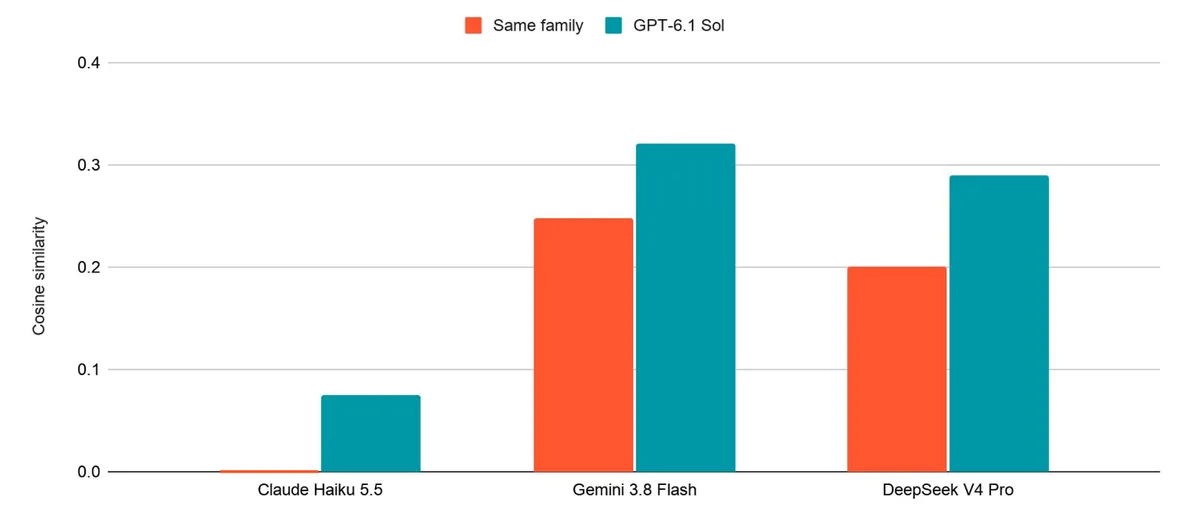
In round 3, 8 decoder agents receive the chat logs and must translate them and rebuild the language file, with one of four levels of task context: none, a short summary, full details, or misleading information describing an "art auction". Translations are scored by cosine similarity[3] against a reference made by GPT-6 Astra. The study covers four model families: GPT-6.1 Sol, Claude Haiku 5.5, Gemini 3.8 Flash and DeepSeek V4 Pro.
Every model family whose swarm finished the escape room produced a language that decoders could at least partly read, which the authors say contradicted their assumption that decoding would be much harder than encoding. With GPT-6.1 Sol as decoder, full task context raised mean similarity from 0.32 to 0.50 across five seeds. In a two-seed test, the misleading art-auction description scored slightly above both a task summary and no context, which the authors present as preliminary.
Read the original lesswrong.com
Sources
-
LessWrong
Swarmish: what happens when agent swarms create language?


