Surgeon removes a prostate from 35 miles away in first telerobotic surgery in the US
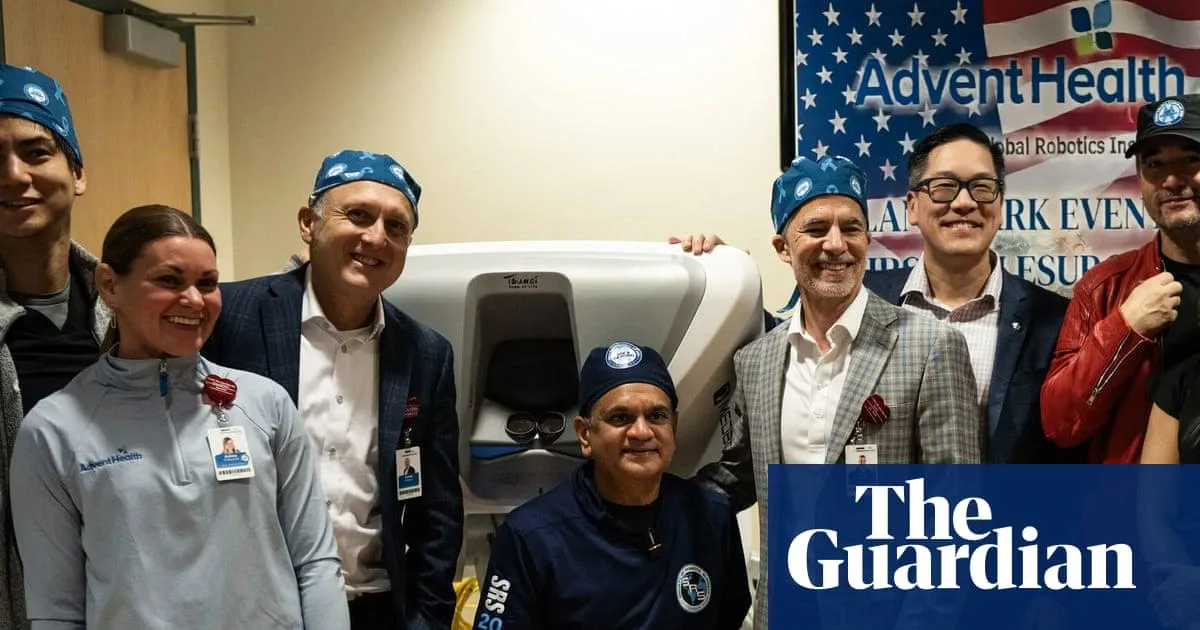
A Florida surgeon has performed the first telerobotic operation between two US hospitals, removing the prostate of a 66-year-old man with prostate cancer from 35 miles away. Dr Vipul Patel, founder and medical director of the Global Robotics Institute at AdventHealth Celebration near Orlando, remotely controlled a telesurgery[1] system to carry out an investigational robotic prostatectomy[2] on a patient who volunteered for a clinical study. The patient, identified as Mark, was at an AdventHealth facility in Minneola, Florida, while Patel operated from another AdventHealth facility in the community of Celebration; surgeon Marcio Moschovas provided onsite support during the procedure. AdventHealth told ABC that Mark was recovering well after the operation.
The surgery was part of a clinical research study conducted under an FDA-approved investigational device exemption[3], an authorization that permits the system to be studied but does not constitute FDA approval or clearance. It followed 10 investigational telesurgeries between Orlando, Florida, and Luanda, Angola, and marks the study's expansion into US hospitals. Telesurgery allows surgeons to control robotic instruments remotely, but researchers are still evaluating its safety, reliability and cybersecurity. AdventHealth said no previous reports had documented a telesurgery procedure between two US locations and cautioned that the operation did not establish the technology's general clinical performance.
Robotic prostatectomy carries risks including bleeding, infection, incontinence and erectile dysfunction, as well as the possibility of switching to open surgery; telesurgery adds risks such as equipment or connection failures and cybersecurity threats, so an on-site team able to take over if needed is essential. The Florida procedure came months after a surgeon in London used a four-armed robot equipped with a 3D camera to remove a man's prostate in Gibraltar, about 1,500 miles away, with a latency[4] of just 0.06 seconds between the surgeon's movements and the robot's response.
Read the original theguardian.comDiscussion
Discussion
Most comments are jokes about the surgeon's "very long arms" or about surgeons working from home, with one asking about the system's latency and frame rate. A more serious question asks what took remote robotic surgery so long, since robot-assisted surgery with the doctor in the next room existed in the early 2000s, and one commenter worries remote surgery could come with a discount in exchange for giving up the right to sue.
Sources
-
theguardian.com
Doctor removes prostate from 35 miles away in first telerobotic surgery in US


