Smart home devices should work without the internet
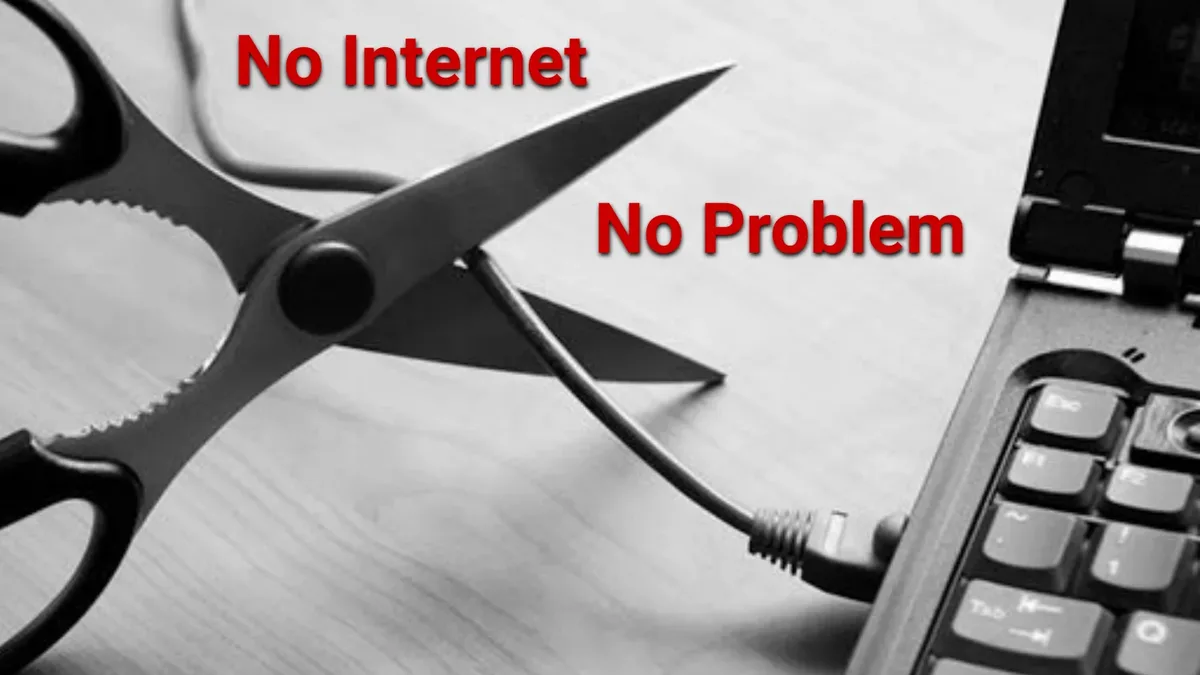

Spencer Kittleson writes that nothing core in his house depends on a vendor's server, so the house keeps running when the internet goes down. His Nest integration stopped working when Google broke its API, and that failure is what he now plans around. Everything that matters runs on hardware he owns: Tasmota[1] on ESP boards, an MQTT[2] broker and Node-RED[3] on a Raspberry Pi. He still uses some cloud services, mostly Alexa and a few AWS ones, but treats Alexa as just another way to flip a switch.
His rules start with "no internet, no problem": core functions must work offline, and the old way of control must not be removed when a new one is added. Other rules say automations must be cheap to change, overlapping automations should be checked, and exceptions are allowed only for reasons he would still accept six months later. After year five he added rules for cloud devices: they need an API with logs, config should live in one place, there should be more than one way in, devices should use MQTT publish/subscribe instead of point-to-point, and batteries should last a year or more.
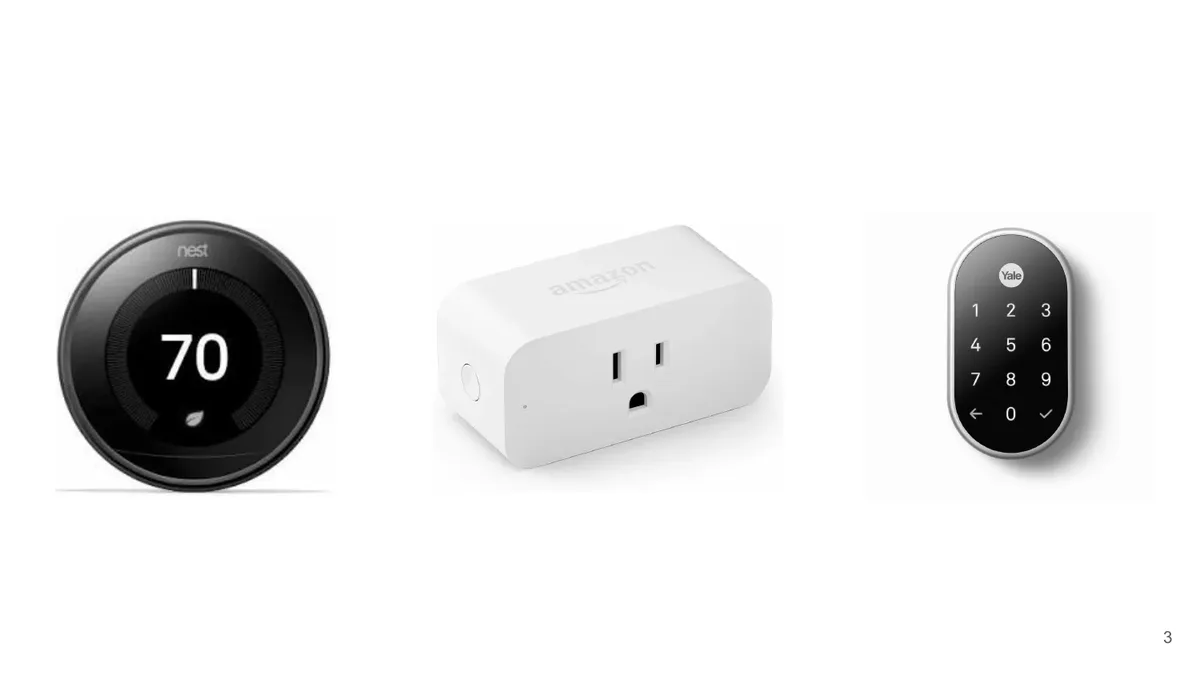
The article walks through two talks he gave, slide by slide. The builds include a garage cooling flow, a garage door sensor logged to Grafana, and a Tasmota sprinkler controller. The second talk covers how a single-user setup was adapted for several residents, including a smart lock that opens with a password, the app, a keycard or a regular key.
Read the original docodethatmatters.comDiscussion
Discussion
Commenters mostly agree with local-first control. Several recommend Home Assistant, Zigbee or Z-Wave devices, and hardware that can run Tasmota, and one names Shelly devices that keep working locally without internet access. Opinions differ on the AI-assisted writing: one commenter praises the disclosure, while another says text that looks LLM-written makes them doubt the message. Some add that device updates make things more complex, not more convenient.
Links from the post and discussion
- Consumer Reports IoT reporting, suggested in a comment innovation.consumerreports.org
Sources
-
Do Code That Matters
Smart home devices should work without the internet