Slack's Migration to a Cellular Architecture

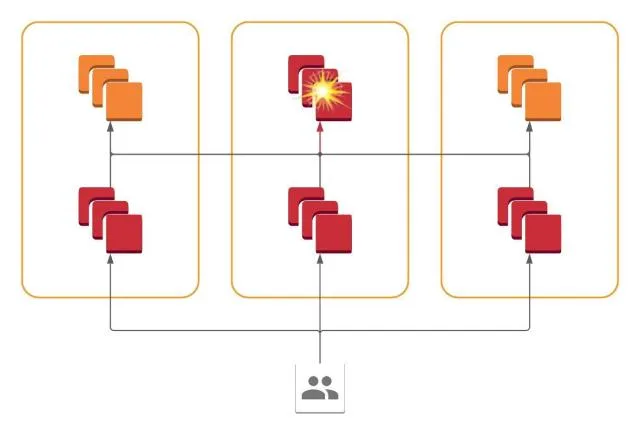
Slack says it has moved its most critical user-facing services from a monolithic architecture to a cell-based one over the last 1.5 years. The goal is more redundancy and a smaller [blast radius][1] for site failures. The post opens a series that covers the reasons for the migration, the design of the cellular topology and the trade-offs the team made.
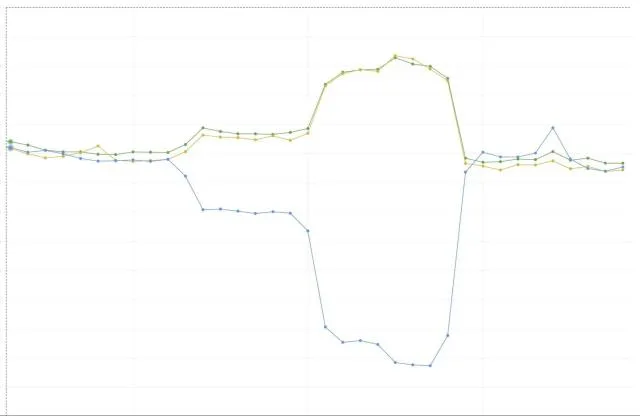
The article starts from an incident on 30 June 2021. A network link between one [availability zone][2] and Slack servers in several other zones of the us-east-1 region had intermittent faults. After the link returned to service, it failed again, and it was permanently removed at 5:31pm PDT, while users saw errors. Slack describes this as a [gray failure][3], in which different components have different views of which backends are available.
To limit this kind of impact, Slack built an AZ drain button that moves traffic away from one availability zone. The design goals were to remove most traffic within 5 minutes, avoid user-visible errors, allow undraining in increments as small as 1% of traffic, and not depend on resources in the drained zone. Because Slack services are written in Hack, Go, Java and C++, the main strategy chosen is [siloing][4], in which a service receives and sends traffic only within its own availability zone.
Slack shares (CRM)
180.62 USD −17.1% since the news day, November 15
Close on November 20 Quotes: CNBC Chart by TradingView
Read the original slack.engineeringDiscussion
Discussion
Commenters mostly doubt that the approach is new: one says it amounts to making services self-contained within one availability zone, and another notes the post was written in 2023. Another commenter advises fixing manual deployments, weak observability and missing automated tests before a cellular migration. Several other comments are jokes or complaints about Slack's features, and one commenter prefers Microsoft Teams.
Sources
-
slack.engineering
Slack’s Migration to a Cellular Architecture