Sam Kriss's essay on state censorship invents key scenes, author argues

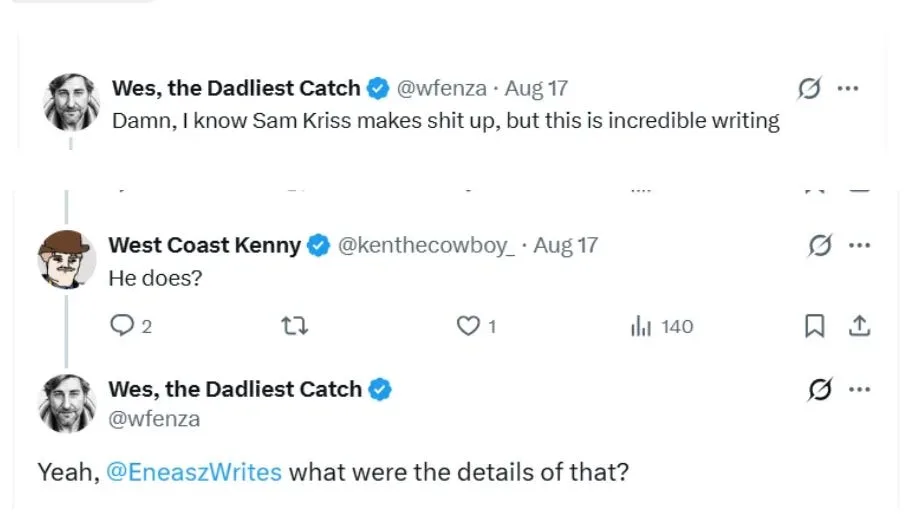
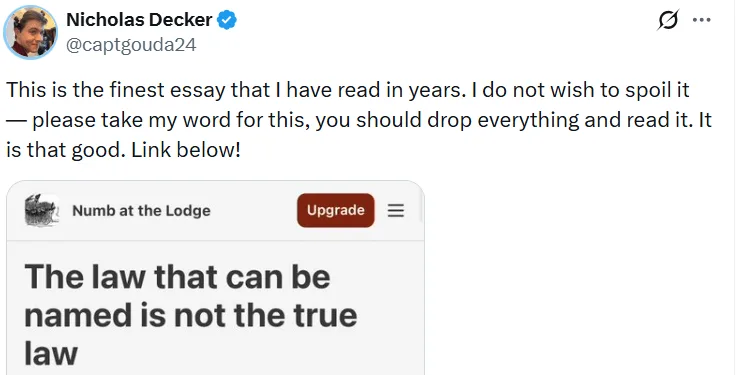
The author argues that Sam Kriss's essay "The law that can be named is not the true law", about state censorship, mixes real history with invented material. The essay compares secret legal codes, which give the state unlimited power, with open codes that let citizens know in advance what they can be punished for, using examples from Babylon to post-9/11 America. The author says the trial of Henry Poyntz and the interrogation of his theologian friend Clung are entirely fictional, although the essay presents them as history.
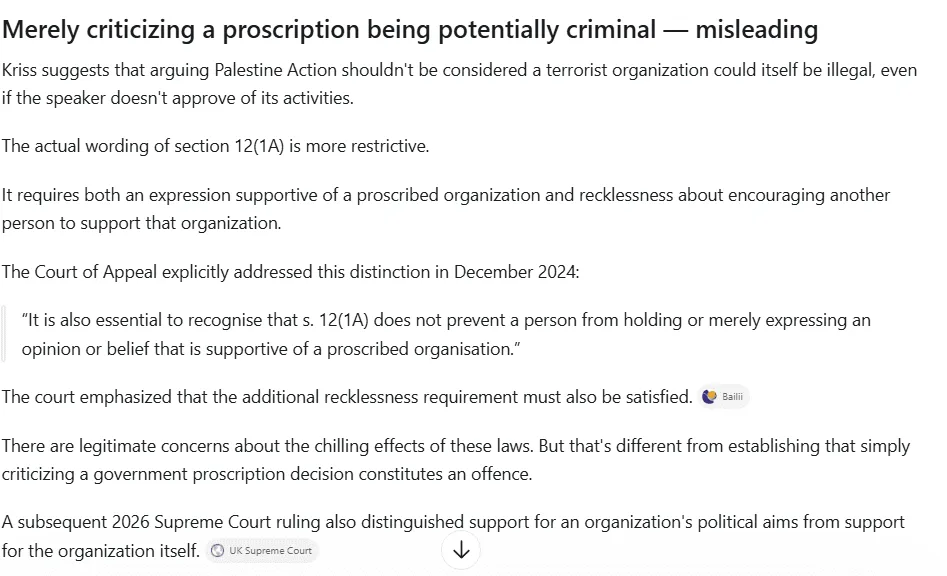
The author also says the essay's central claim is false: the essay says that under UK law the only legal answer to "what do you think of Palestine Action" is that you are against them. The author cites the Court of Appeal and the Supreme Court, which distinguished between expressing an opinion and recruiting support for a terrorist organization. According to the author, membership in a terrorist organization can bring up to 14 years in prison, while wearing a T-shirt that presents the wearer as a supporter brings up to 6 months. The author concludes that a fact check with an LLM[1] flags the longest section of the essay as complete fabrication.
The author compares the essay to Nathan Fielder's film You Can See Everything, which uses fiction techniques in an ostensible documentary, and says Kriss does the reverse.
Read the original deathisbad.substack.comDiscussion on LessWrong
Sources
-
LessWrong
To Read Sam Kriss is to Hurt Sam Kriss


 archive