Researcher details security flaws in a major automaker's connected car platform
In July, the author worked with Sam Curry to examine the connected car systems of a major automaker, which the article calls only "the automaker". Starting from the mobile app, they found an admin tool on a subdomain that let staff look up customer accounts, and many of its APIs needed only hardcoded API keys from the JavaScript bundle. A number plate can be turned into a VIN[1] through state registration sites in Australia, and the admin API could then return the owner's account details, including email. However, the admin tool could not send commands to a vehicle.
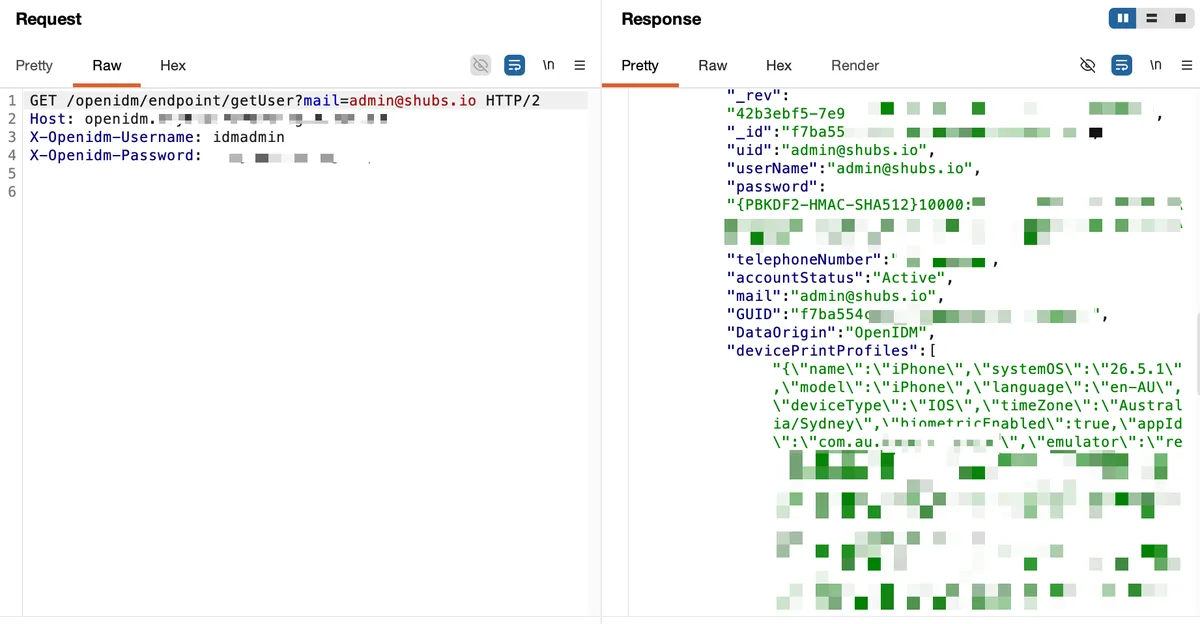
The authors then turned to the automaker's identity system, which runs on ForgeRock OpenIDM. They found admin credentials for OpenIDM inside a vendor JavaScript bundle. These were meant for staging, but the authors thought they would probably work in production too. Requests to /openidm/ were blocked by a web application firewall (WAF)[2], so they tried path traversal[3] through the allowed /XUI/ path.
The traversal produced an admin JWT[4], but the OpenIDM endpoints still returned errors because of how the software routes requests. The authors say this routing behavior was what blocked their full attack chain.
Read the original shubs.ioDiscussion
Discussion
Commenters identify the brand as Toyota or Lexus and note that both use ForgeRock, while others dispute that the claim "any car" applies to all their models. Some argue that an attack requiring weeks and several people is less of a worry than ordinary theft, while others warn that connected cars will collect and sell owner data as smartphones already do.
Sources
-
shubs.io
unlocking any car from X brand in most of the world
-
KRGeekNews KO
전 세계 대부분 지역에서 X 브랜드의 어떤 차량이든 잠금 해제하기