Please Let the Internet Die: WIRED on oligarchs, bots and dead links
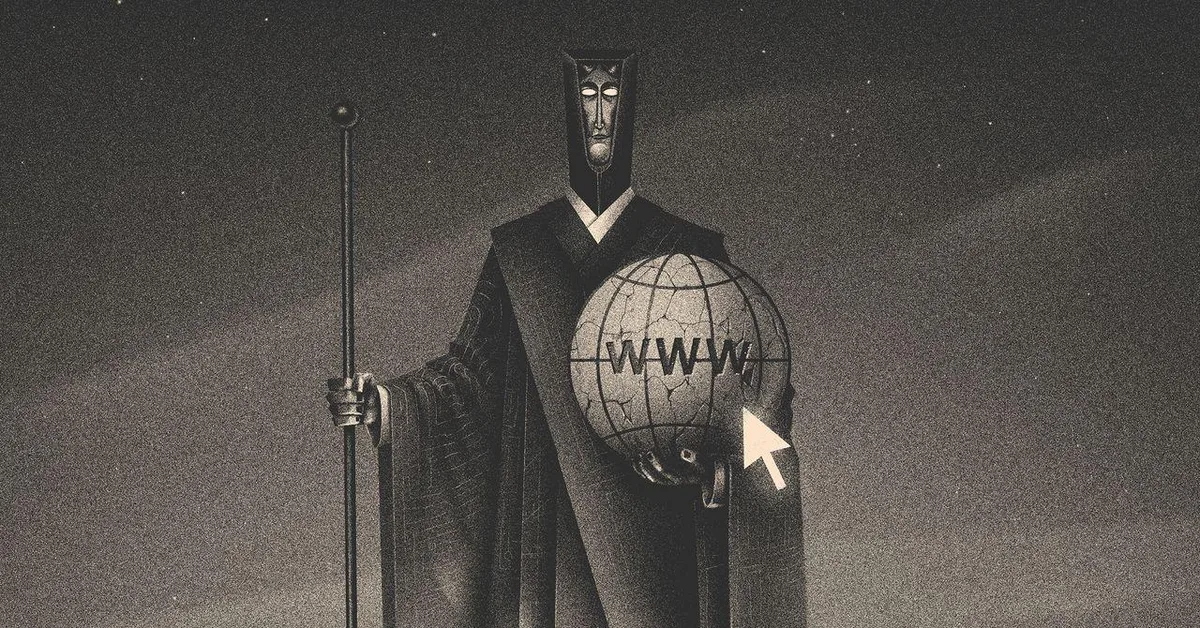
A WIRED essay argues that today's internet has been captured by billionaire owners and flooded with low-quality AI-generated content, and that walking away from the big platforms may be the last lever of power ordinary users have. Meta and Google have settled large consumer lawsuits over privacy violations and mental health harms linked to the addictive mechanisms of their platforms, while schools ban smartphones and multiple countries restrict social media for people under 16. In December, Oxford University Press declared 'rage bait'[1] the word of the year after use of the term tripled over the previous 12 months, which the essay reads as growing awareness of accounts that churn out outrage with generative AI purely to profit from hostile engagement.
The essay cites 'Dead Internet Theory'[2] — the idea that most web interactions are bots talking to bots — and a cybersecurity firm's finding that automated agents already outnumber human users, with agent traffic surging by 8,000 percent through 2025. Its centerpiece is John West, a technologist and Pulitzer-winning journalist whose book 'The Internet Will Die, and So Will You' argues the web is far smaller and more fragile than believed: a 2001 train derailment in a Baltimore tunnel cut a major bundle of fiber-optic cables and slowed the internet nationwide. West's own archives show how unevenly online life persists — the anime page he built in middle school lives on as a spam-covered page he cannot delete because he lost access to his AOL account, while the final year of his college blog vanished over unpaid domain fees. The record itself is failing: 25 percent of links in The New York Times articles from 1996 to mid-2019 no longer work, a 2016 study found three out of four citations in scholarly articles have drifted, and over half of Wikipedia's entries contain at least one dead reference link, according to a Pew report.
Even zeitgeist-defining platforms can vanish in an instant: in January 2025, Americans posted farewell TikTok videos ahead of an expected US ban on the app. The essay closes by asking why users keep these businesses alive and argues that leaving the platforms 'for dead' could free people to explore the unseen corners that hold the internet's most interesting parts.
Read the original wired.comDiscussion
Discussion
Most commenters reject the call to let the internet die, arguing the real problem is billionaire owners rather than the technology, and that a rebuilt network would likely be captured by the same forces. Others say the old web never left — Usenet[3] still exists, and anyone can start making small personal sites again. One reader notes the irony of a paywalled article about the internet's decay.
Sources
-
wired.com
Please Let the Internet Die | Online spaces are captured by oligarchs and saturated with slop—and they’re exacerbating humanity’s worst impulses. It’s time to start over.


