Pennsylvania high school turns off AI weapons detector after false alarms
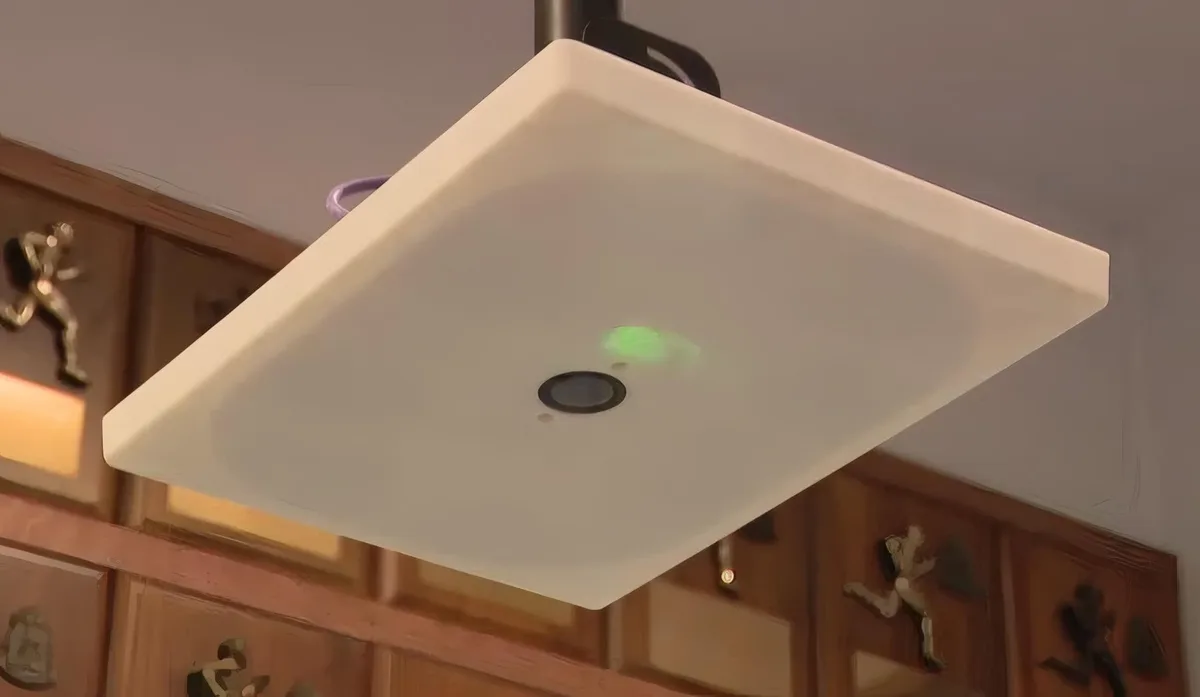
Hempfield Area High School in Pennsylvania has deactivated the Wi-AI weapons detector, which it had helped test. Developed by CurvePoint, a Carnegie Mellon University spinout[1], Wi-AI uses Wi-Fi signals to look for concealed weapons, and it works without cameras.
Small sensors called SensePods, installed near school entrances, track how people and the objects they carry change the way radio waves bounce around them. During the pilot, the system struggled to tell weapons from items students commonly carry, such as binders, metal water bottles and battery packs, and it produced many false positives[2]. The developers had hoped for 95% accuracy, but Superintendent Dr. Mark Holtzman told WTAE-TV, "It's not near 95%, I could tell you that much."
CurvePoint CEO Skip Smith said Hempfield was a testing site rather than an operational deployment and that no deployment date has been set. He blamed the problems on "environmental challenges." The district will get back the money it paid for the detectors, and the school will keep its OpenGate walk-through weapons detector. The article also notes that in 2025 a student at Kenwood High School in Baltimore County, Maryland, was handcuffed after an AI system mistook a bag of Doritos for a gun.
Read the original techspot.comDiscussion
Discussion
Most commenters mock AI weapons detection and say that it mistakes everyday objects for guns. Several point to the Maryland case, linking a report on a lawsuit over the Doritos alert, and one says their school board dropped a similar plan after public meetings. Others argue that a plain metal detector at the entrances would be a better choice.
Links from the post and discussion
- Maryland Matters report on the lawsuit over the chips alert marylandmatters.org
Sources
-
TechSpot
Pennsylvania high school disables AI weapons detector after it keeps mistaking everyday items for guns


