Palmer Luckey says he'll stay in California despite the proposed billionaire wealth tax
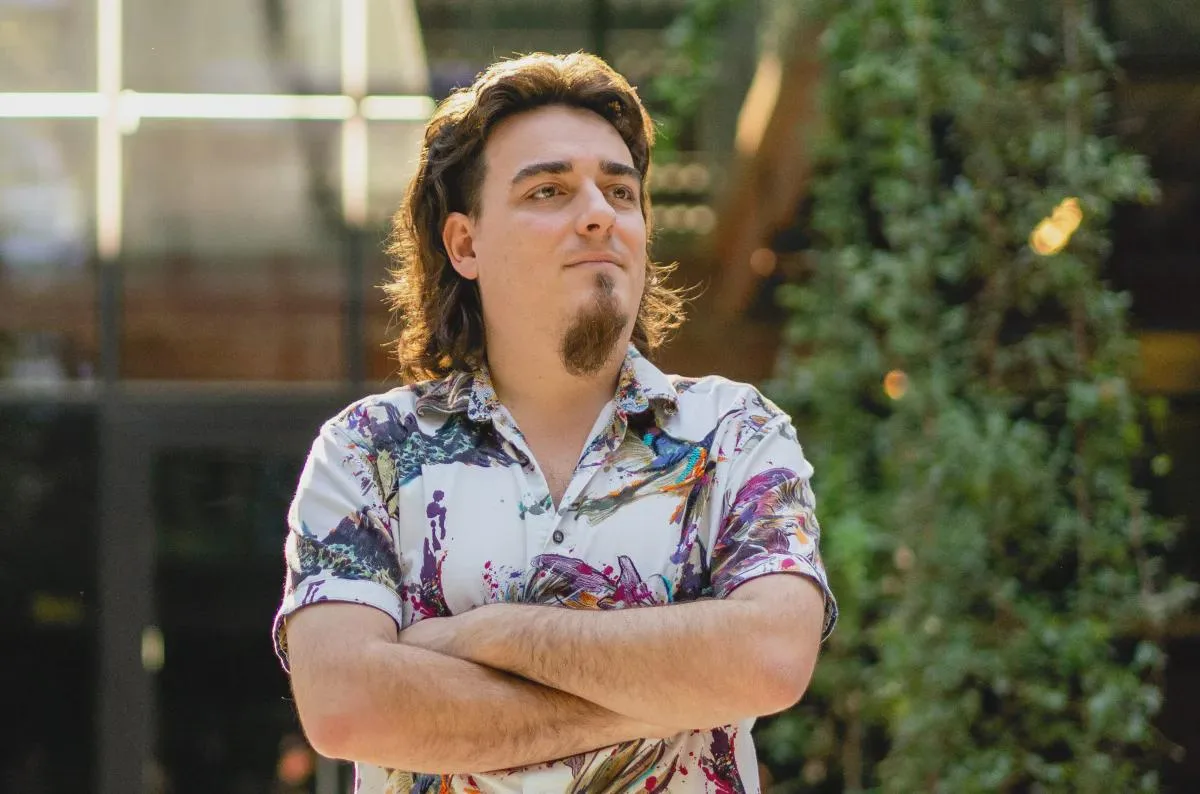
Palmer Luckey became a California billionaire at 21, when he sold his virtual reality headset maker Oculus VR to Facebook for $2 billion in 2014. His current company, defense tech firm Anduril, is headquartered in Costa Mesa, California, and was last valued at $61 billion. Speaking at an invite-only press conference, Luckey said he is not leaving the state over the proposed billionaire wealth tax[1], a ballot measure that would tax the net worth of California's richest residents, even though he believes it will push out people and companies he works with.
He said other billionaires have pressured him to leave in solidarity, but he believes California can still be fixed. His objection is not to paying taxes as such but to the bill's sponsor, a unit of the United Healthcare Workers union, which he says wants the money "for their uses"; the measure's sponsors say the revenue would fund health care, education, and food assistance programs, naming Medi-Cal, California's health coverage program for low-income residents. The tax would cover unrealized assets[2] that have not been sold and illiquid assets[3] that are hard to turn into cash, with penalties up to 40%. According to the Tax Foundation, it would treat someone with voting control as owning at least that same share of the company, hitting founders with super-voting shares[4]: a founder with 40% of the votes but 10% of the ownership could be taxed as if owning at least 40%, though the measure's drafters call that reading mistaken.
Luckey said his employees hold more Anduril equity than he does, but he preserved the voting rights, which stick only while he is an American citizen living in America and running Anduril. He estimates he could owe 5% of Anduril's $61 billion, about $3 billion, on that asset alone, and noted that Larry Page, who left California, still holds 27% voting control of Alphabet, whose market value is just under $4 trillion. He plans to stay and fight the measure, hoping that if it passes it faces legal challenges, arguing that taxing voting interests is a tax on control rather than on ownership.
Read the original techcrunch.comDiscussion
Discussion
Commenters are mostly scornful: several argue that a billionaire staying put undercuts the claim that tax hikes drive the wealthy out, while others point out that Luckey's company lives on government defense contracts or mock his pledge to keep fighting the tax. A few say they would rather know which billionaires are actually leaving.
Sources
-
techcrunch.com
Billionaire Palmer Luckey isn’t leaving California over the wealth tax


