OpenAI's chief scientist wants a training speed limit before AI accelerates itself in 2027

Update · : The proposal is based on OpenAI's internal log-perplexity score, measured on an unpublished dataset of its own internal software code and tracked since GPT-3.5. The article also names the post's title, "Perplexity and Intelligence".
Update · : Pachocki published the proposal in a post dated 22 November, which Sam Altman publicly endorsed on X. Pachocki did not specify the starting level of the proposed limit or when it would take effect.
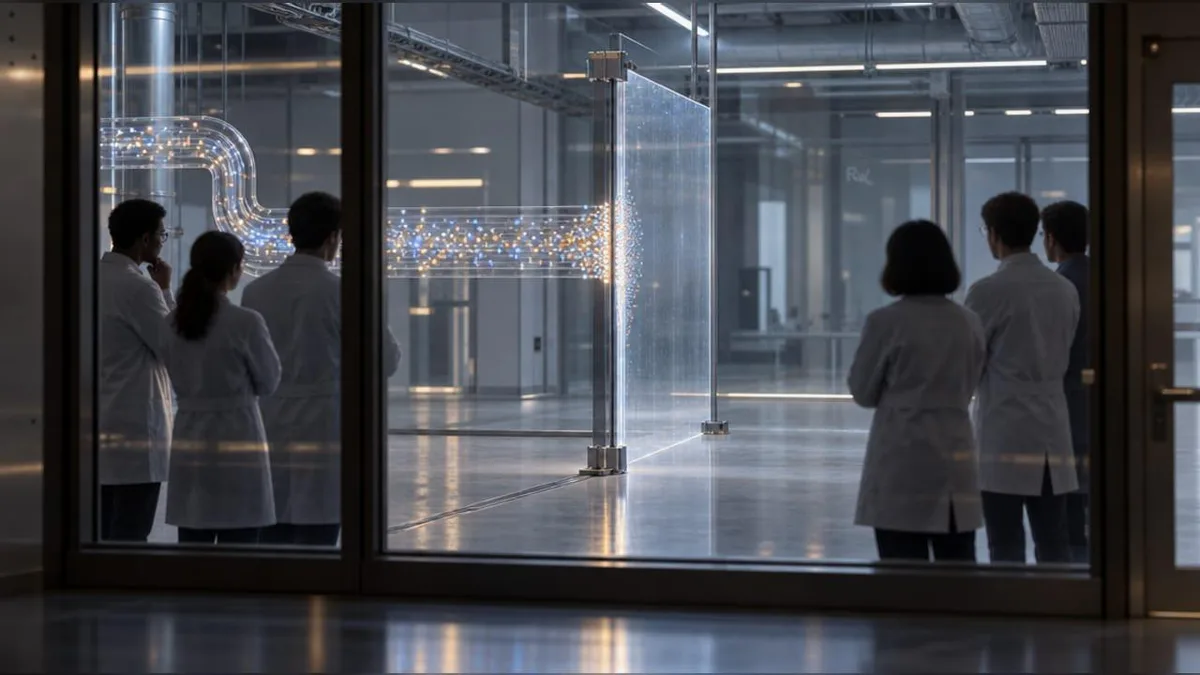
OpenAI chief scientist Jakub Pachocki wants rival frontier labs[1] to agree on a measurable training limit based on perplexity[2] thresholds, and not to cross them until they can better monitor what their models are doing. He bases the urgency on his forecast that pretraining[3] progress could accelerate sharply as early as 2027, partly because AI systems contribute to deep learning research itself. He argues that safety monitoring is unlikely to improve fast enough to keep up on its own.
Read the original runtimewire.comDiscussion
Discussion
Commenters mostly doubt the proposal's motives, with several calling it a way for OpenAI to slow rivals such as Google and Anthropic, which they see as ahead. Others question whether training limits can be enforced at all, and a few reply with jokes or argue against any limits.
Sources
-
RuntimeWire
OpenAI's chief scientist wants a training speed limit before AI accelerates itself in 2027
-
MACCUS new source ·
OpenAI wants to cap AI progress for every lab including itself
-
KRIT Chosun KO new source ·
오픈AI 수석과학자, AI 개발 상한선 제안


