The next stage of AI-driven development: the software factory
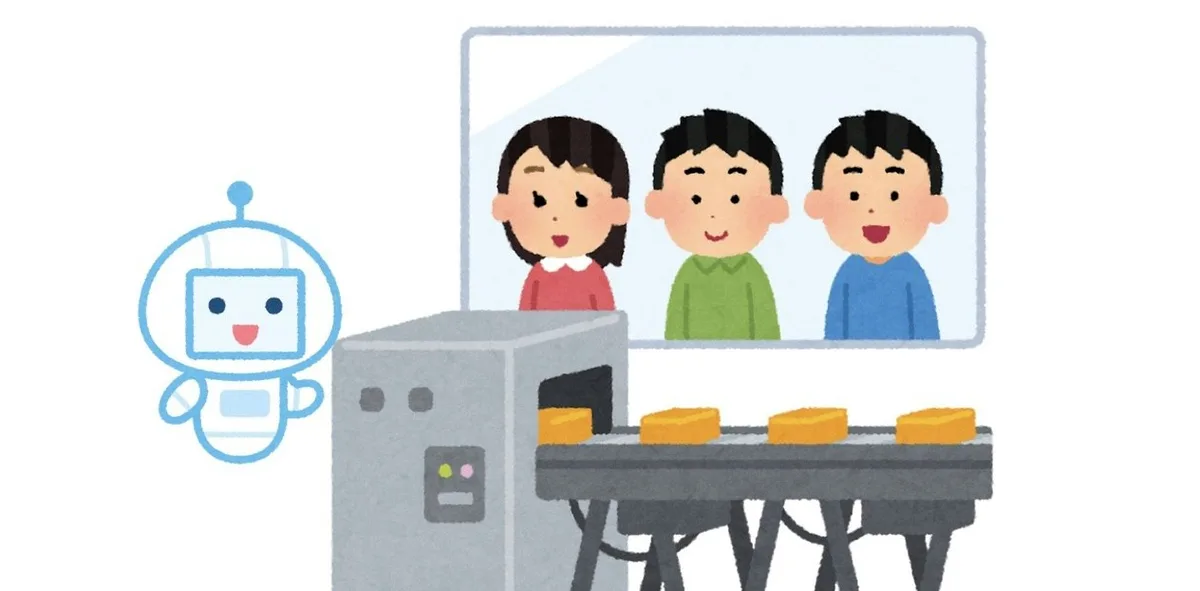
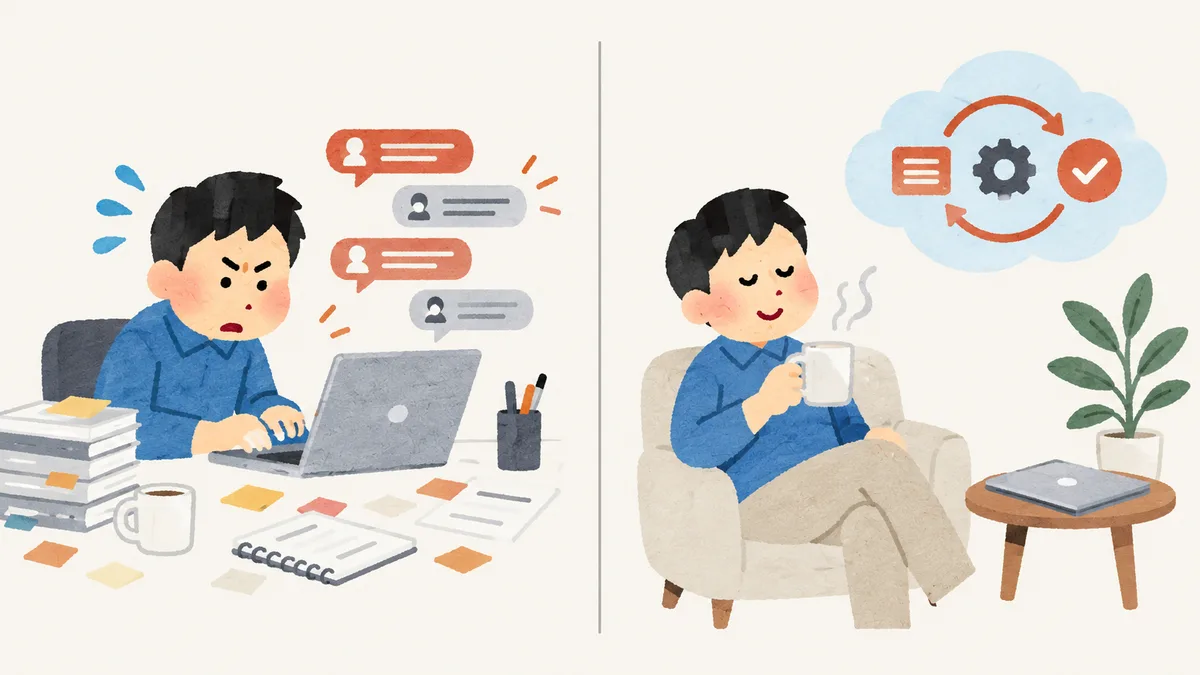
A software factory is a mechanism where you hand an idea over as a ticket and agents carry development forward run after run, without a person building each app by hand; the concept draws on a post by Felix Rieseberg, the developer of Claude Code, which notes that Claude recently helped discover a new planet while most users stop at simple questions and calls on developers to be ambitious in software development. To give the approach a shared vocabulary, Matt Pocock — a TypeScript educator known for Total TypeScript who now teaches AI development on AI Hero and runs the mattpocock/skills collection with over 300,000 stars — submitted a glossary for designing software factories as PR #1316 on October 21, 2026. It defines a software factory as a mechanism of agents that takes tickets, PRs and schedules as input and produces merged code on remote infrastructure the user chooses, with a run finishing without waiting for a person on a disposable machine and products like Codex cloud or Claude Code's cloud sessions counting as just one runner[1] option among parts you pick and combine yourself; the PR was merged on October 31 into a `software-factory` skill that still sits in an `in-progress` folder as unfinished work.
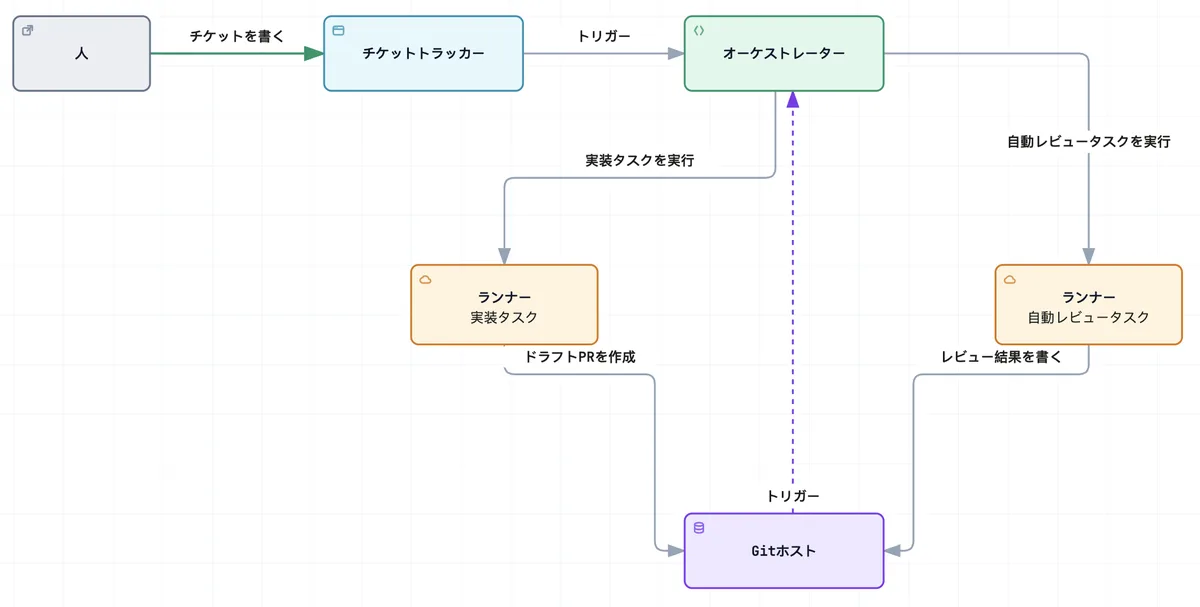
The glossary splits the parts into two groups: tasks and runs, and services — the external components you choose and plug in, namely a ticket tracker, a ticket source, a Git host, an orchestrator[2] and an observability platform. A task is a job such as review, research, implementation or a ratchet[3] that steadily makes checks stricter, aimed at a ticket, a PR or the whole codebase; a run is one execution of a task on a disposable runner; and a trigger — a change in the ticket tracker or Git host, the orchestrator's clock or another run — starts it. A person's main work is writing tickets and reviewing: a ticket change triggers a run that ends by opening a draft PR, the PR triggers an automated review, and problems found there start a fix run. Of the three sample setups — all GitHub, Linear for tickets, a self-made tracker — the all-GitHub one has GitHub Actions serving as orchestrator, runner and observability at once, and Matt Pocock's policy is to buy services and make tasks, because factory-specific design shows in the tasks.
The author's own factory adds a chat ticket source to the all-GitHub setup: in a portal, Claude on Amazon Bedrock in the Tokyo region, with Amazon Transcribe as a voice option, interviews the user and a GitHub App opens Issues labeled `foundry`; the `agent-design` workflow then builds a spec and per-screen HTML into a design PR with an automatic preview URL, a person approves the design, `agent-build` creates a Next.js mock in an implementation PR, and once CI passes a second human decision — pressing publish — merges the PR and releases the app. Two of the three recommended brakes are in place, with the trigger as the accelerator and automated checks, automated review and human review as brakes: CI makes type check, lint and build mandatory, and the two human decisions review previews rather than code; the stack runs on AWS, with S3 and CloudFront for delivery, Lambda for the portal API and roles assumed through GitHub OIDC[4] instead of long-lived access keys. Growing the factory is the job of its factory manager: add tasks such as automated PR review, a Fix task that turns error logs into fix PRs, or a nightly Architecture task that surfaces refactoring candidates; feed review remarks back into the skills Claude Code loads at runtime through a Retro task run, for example, once per 10 merged PRs; and expand the shared `packages/` components, available to every app because all generated apps live in `apps/` of the same monorepo.
Discussion
The lone commenter finds the piece very insightful for thinking about where the standardization and automation of development processes lead, and expects building a pipeline from spec definition to testing to become a key next step.
Sources
-
JPQiita JA
AI駆動開発の次の段階: ソフトウェアファクトリー


