New US Guidelines Give Coronary Calcium Scan a Central Role in Heart Attack Prevention
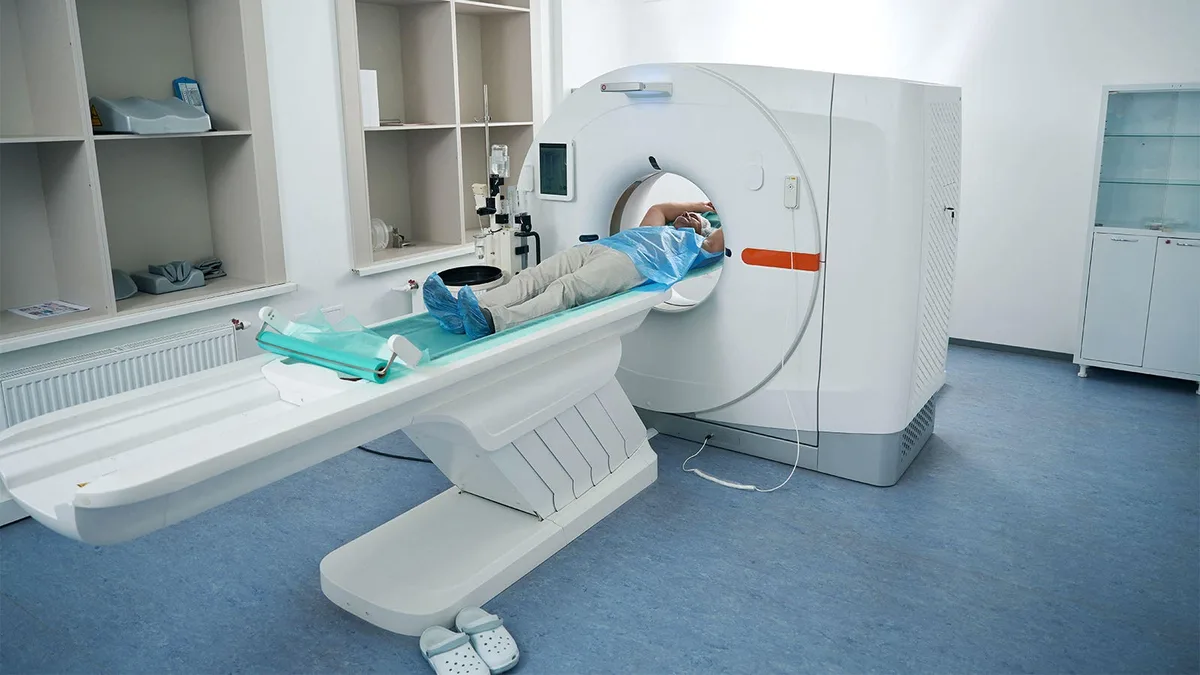
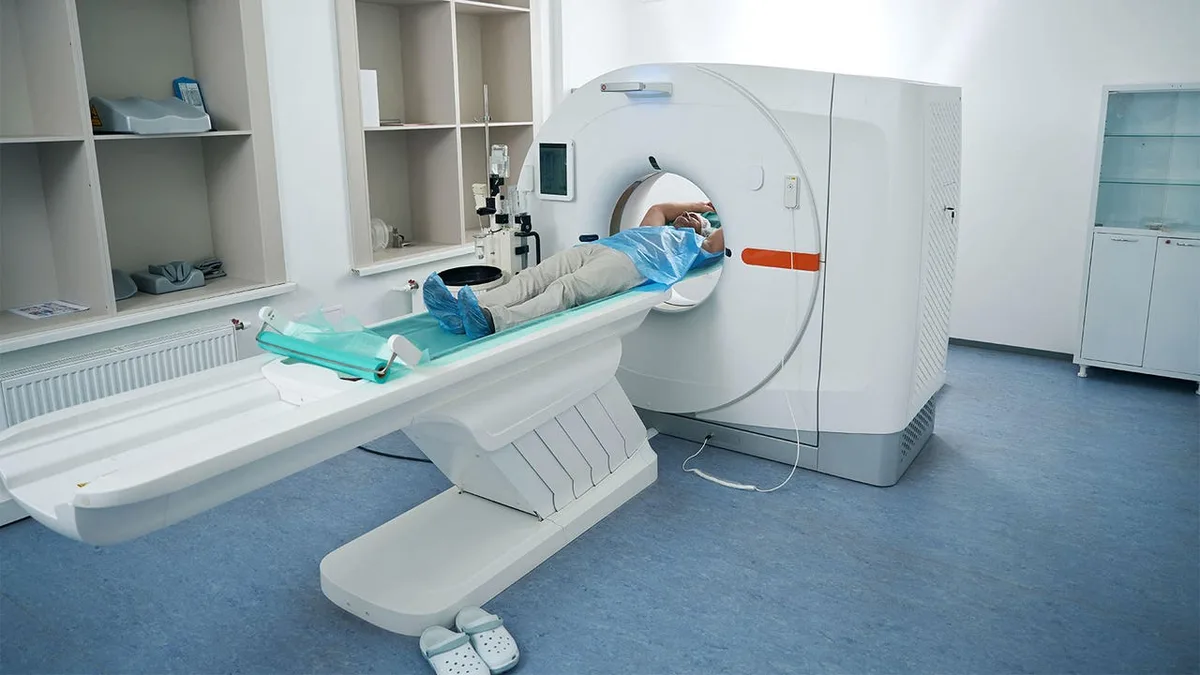
The author describes a 'golden age of medical science' coexisting with a 'dark age of healthcare delivery,' citing coronary artery disease, America's leading cause of death and disability. More than 800,000 Americans have a heart attack each year, and the great majority of these events are preventable. The coronary artery calcium (CAC) score[1] is a 10-minute scan costing about $100 that identifies coronary atherosclerosis many years before it causes a heart attack, using a fraction of the radiation of a standard chest CT. In March 2026, after more than three decades of accumulated evidence, the American College of Cardiology and the American Heart Association gave CAC a central role in their national prevention guidelines, recommending the scan for adults at borderline or intermediate risk for whom the decision to start preventive therapy such as statins[2] remains uncertain.
Unlike risk calculators built on age, sex, cholesterol, blood pressure, diabetes and smoking, which estimate probability, a CAC scan detects the disease itself: a patient with borderline cholesterol may already have extensive plaque, while one with high cholesterol may have none. A score of zero re-classifies risk downward and can avoid unnecessary drug treatment, while a score above 100 identifies patients who may benefit from medication and aggressive lifestyle intervention. The author tells of a 52-year-old patient who exercises, eats well and has borderline high cholesterol; the standard calculator placed him at low risk, but his CAC score came back 220, a substantial plaque burden for his age, and the calculators miss genetics, which account for roughly half of cardiovascular risk. The scan has sat at the edge of clinical practice for 35 years because guidelines, reimbursement codes and clinical habits were not built to absorb it, leaving doctors, constrained by insurers, to offer it mainly to patients who can pay cash.
AI is also changing the economics of prevention: it can pick up coronary calcification opportunistically from the chest CTs that millions of Americans already undergo for other reasons, and AI-based CAC analysis is now used to measure soft plaque, a precursor to the calcified plaque of traditional scores. The author's core complaint is a payment system that has lacked the will to spend $100 to avoid a $50,000 emergency.
Read the original medpagetoday.comDiscussion
Discussion
Commenters largely agree that prevention is underfunded, reporting out-of-pocket prices of $120–$130 for the scan and saying insurers penalize medical practices for recommending 'too many tests.' Pushback focuses on the $100 framing: real costs include treatment and follow-up testing for false positives, a scan does not itself prevent heart attacks, and lifelong medication lowers absolute risk by only about 1% — one commenter quotes cardiologist Eric Topol warning that false-positive CAC results cause anxiety and unnecessary procedures. Another commenter recommends simpler blood tests first, such as ApoB[3] and Lp(a)[4].
Sources
-
medpagetoday.com
Medicare Will Pay $50k for Your Heart Attack. It Should Pay $100 to Prevent It
-
KRGeekNews KO
Medicare는 심장마비 치료에 5만 달러를 지불한다. 예방에도 100달러를 지불해야 한다