Study Finds School Phone Bans Are Gradually Improving Test Scores

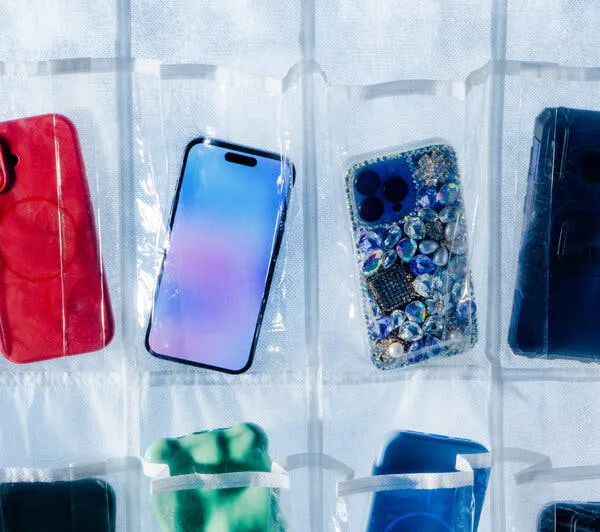
The Center for Education Policy Research at Harvard published on 17 November 2026 the first large national analysis comparing students' test scores before and after school cellphone bans. It found that the bans are beginning to modestly improve academic performance. Schools with strict bans, which require students to lock their phones in pouches all school day, saw math and reading scores improve as if students had an extra week or two of school a year. U.S. test scores began falling over a decade ago, around the time smartphones spread, and earlier studies of phone bans had mixed results.
The study covered 3.3 million students in third through 10th grade at 4,600 U.S. schools between 2021 and 2026. It used MAP tests[1], which track achievement from fall to spring, and compared schools with strict bans to similar schools without them. The annual gains reversed about half of the yearly loss an average student had in the years before the pandemic. Students lost even more ground during pandemic closures.
Thomas Kane, a professor at the Harvard Graduate School of Education and an author of the study, said that earlier studies implying small effects were mistaken, and that in-school phone use should not be ruled out as a major cause of the decline.
Read the original nytimes.comDiscussion
Discussion
Most commenters welcome the bans and say phones should have been restricted earlier, while some ask whether the gains come from the end of COVID-era school closures instead. One commenter notes the effect is about 0.01 standard deviations[2] in the year bans start and does not grow the next year, and another cites a study that finds no significant effect and questions the method used here.
Links from the post and discussion
- Study finding no significant effect of phone bans (from comments) tom-dee.github.io
Sources
-
The New York Times
New Evidence Shows School Phone Bans Are Gradually Improving Test Scores
-
KRGeekNews KO
학교 휴대전화 금지가 시험 성적을 점진적으로 높인다는 새로운 근거