Nectome founder argues preservation could ease the rush to build AI
Aurelia Song, founder of the preservation company Nectome, writes that the company offers planned whole-body end-of-life preservation for future revival. Terminally ill people come to its site in Oregon and are preserved immediately after death. She says her earlier posts argued that the method works, because structural preservation is sufficient and can be provably achieved.
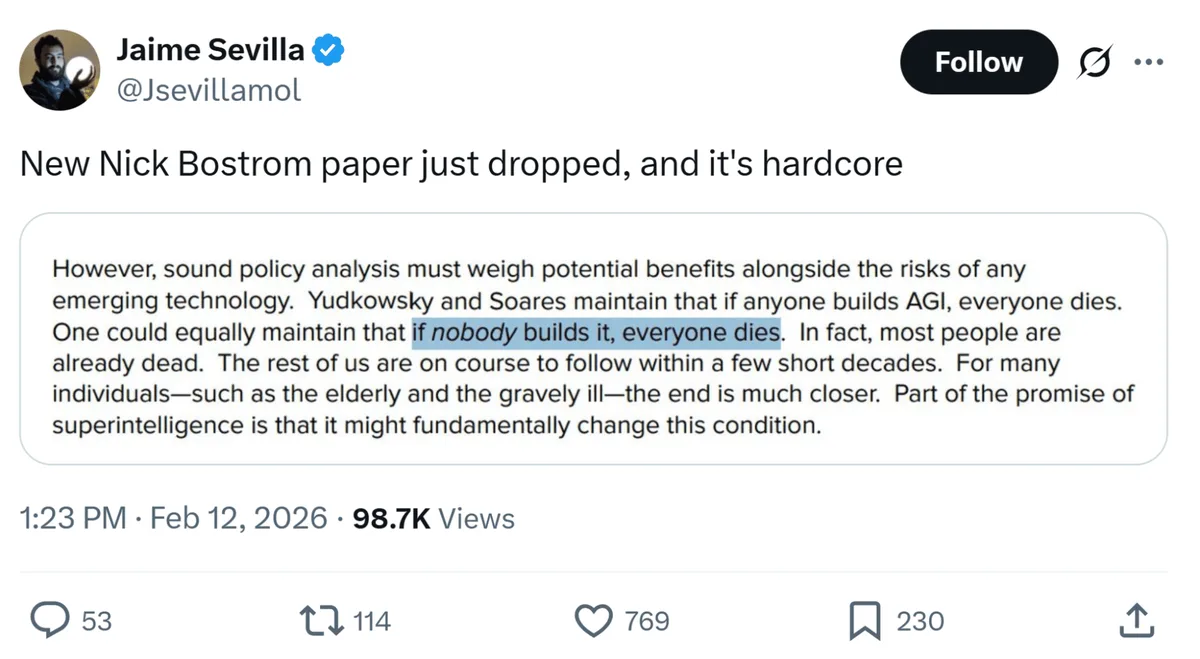
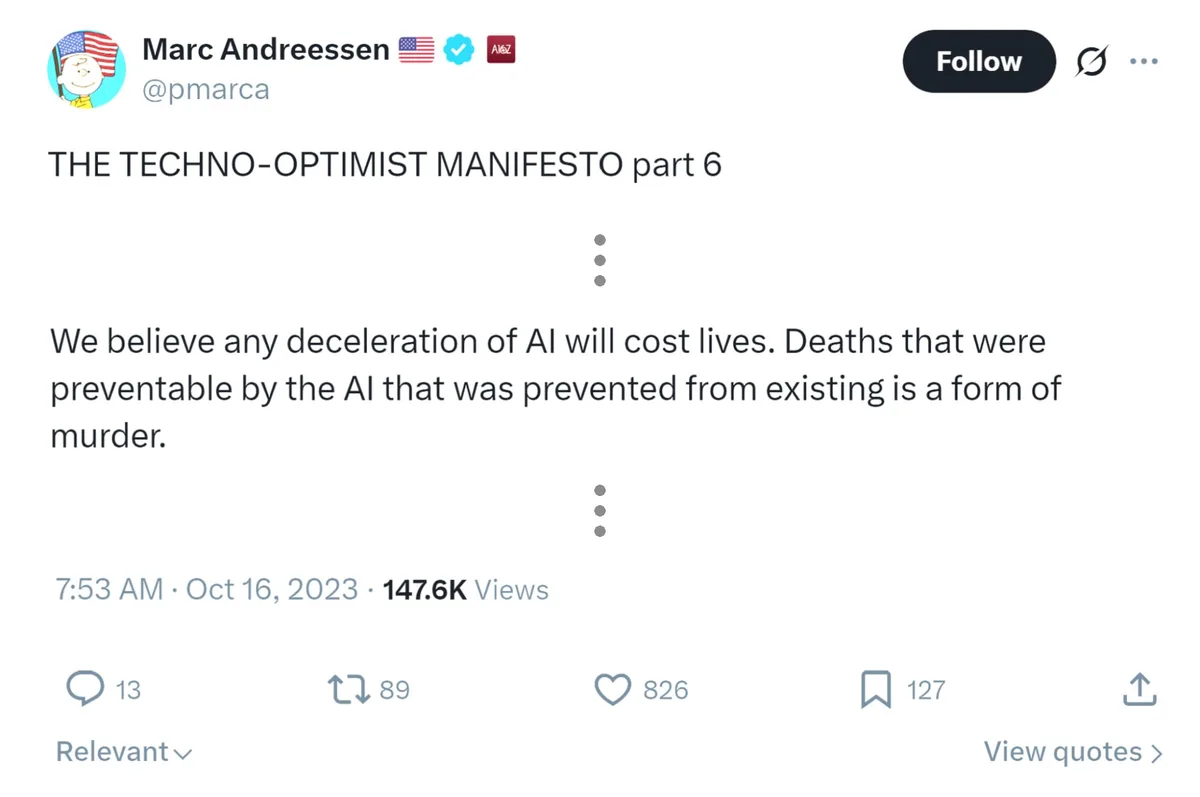
She argues that end-of-life preservation is relevant to getting AI right. Her main claim is that accelerationists[1] who rush to build ASI[2] to save loved ones with only a few years to live could rely on preservation instead, so there would be no need to rush. She rejects the short-AI-timeline objection, which holds that only AI matters, because preservation can change how people racing to build ASI think.
Song describes her own past as an AI researcher at MIT under Marvin Minsky, Patrick Winston and Gerald Sussman, and says she was an accelerationist in 2007. She was motivated by the prospect of saving about three billion lives, since 150,000 people die every day. She also describes being horrified when Winston's students showed her a camera system that tracked passersby, built as part of a DARPA grant.
Read the original lesswrong.com
Discussion
Commenters mostly welcome the link between preservation and the pace of AI work, and some say the post helped them see accelerationists as motivated by love rather than malice. Others argue that the post treats people who accept death as a limited group, and one asks whether preservation would really reduce the main drivers of the rush to ASI.
Sources
-
LessWrong
Preservation can save the world!


