Nearly 2 out of 3 teens and tweens use AI chatbots, new research shows
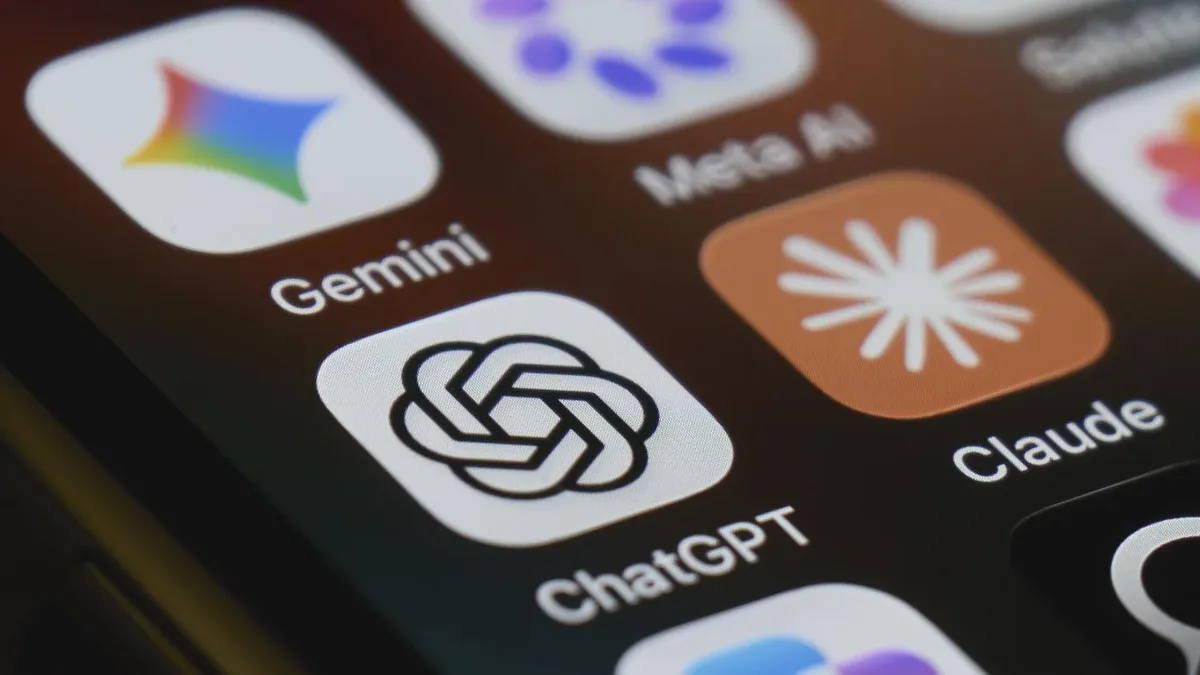
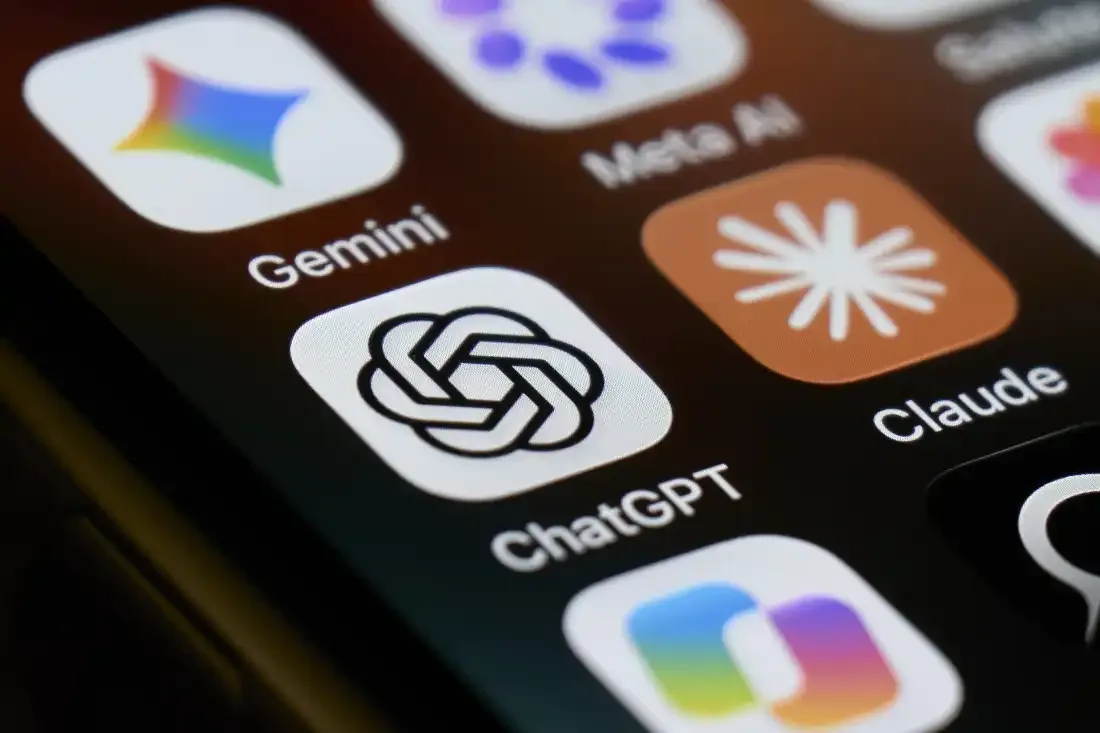
Two new surveys show that nearly two-thirds of American tweens[1] and teens use AI chatbots. A survey by the online safety advocacy group Common Sense Media found that AI use starts years before the minimum age of 13 on most popular chatbots: nearly half of 9-to-12-year-olds have used an AI chatbot or companion[2], and by age 13 nearly three-quarters have. A survey by the mental health advocacy group JED Foundation of 5,500 9-to-17-year-olds in schools across the country found that 90% have used an AI chatbot, and nearly two-thirds use it for schoolwork and as a companion, or when they are stressed, lonely, anxious or overwhelmed.
Fifteen-year-old Arjun Sharda of Round Rock, Texas, uses OpenAI's ChatGPT and Google's Gemini, preferring Gemini lately, for practice test questions and to understand concepts outside the classroom, and he and his friends also turn to chatbots when stressed: scared of failing one of his first chemistry tests on conversions and moles, he kept asking ChatGPT “Will I be OK? Will my GPA[3] still be fine?”. Seventeen-year-old McKenzie Craig of Raynham, Mass., who has used chatbots since eighth grade, has them help prioritize tasks and runs essays through Grammarly or ChatGPT for feedback before editing.
Psychologist Kayla Anderson of the JED Foundation said young people using AI while in emotional distress are more likely to report poor mental health and well-being outcomes and a greater history of suicidal thoughts and attempts, but the data do not suggest a causal link. Developmental psychologist Anne Maheux of the University of North Carolina, Chapel Hill, said preliminary data suggests the link may go both ways: in a soon-to-be-published study of middle schoolers in one state, students who used chatbots for companionship grew lonelier over time, and a study of young adults found similar results for those overreliant on AI. One potential explanation, she said, is that AI eases loneliness, anxiety and stress in the immediate moment, but reliance on the technology prevents young people from developing the skills to tolerate and navigate normal daily stresses, which can lead to worse mental health.
Read the original npr.orgDiscussion
Discussion
Commenters are mostly skeptical about kids using AI chatbots, describing them as agreeable “yes men” that tell children what they want to hear, and some warn against letting kids near them. Several say the third who don't use chatbots will be better off, while one commenter says they cannot get past knowing a chatbot is not a real person.
Sources
-
npr.org
Nearly 2 out of 3 teens and tweens use AI chatbots, new research shows


