Nearly 1,900 US Public Schools Sit Within a Mile of a Data Center
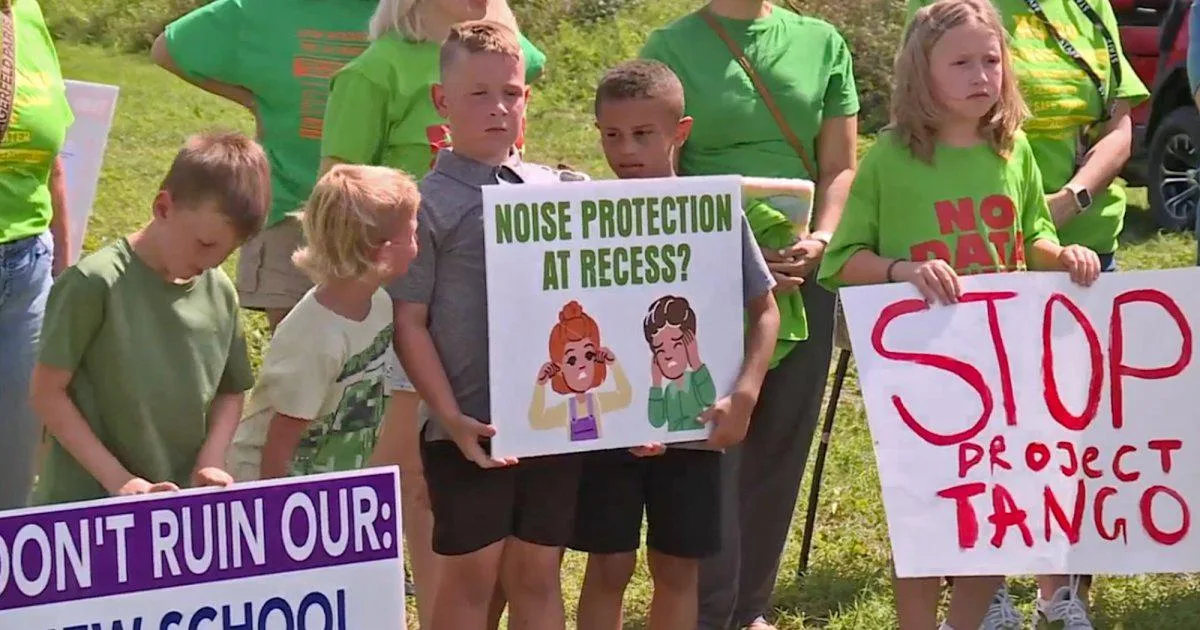
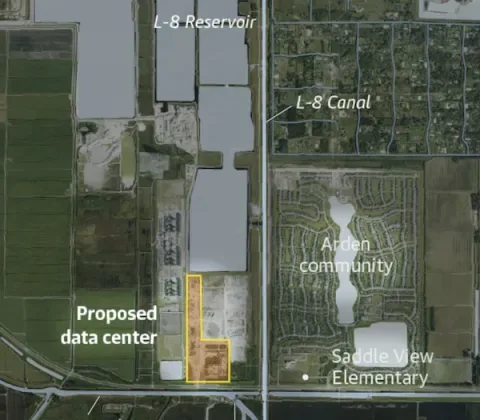
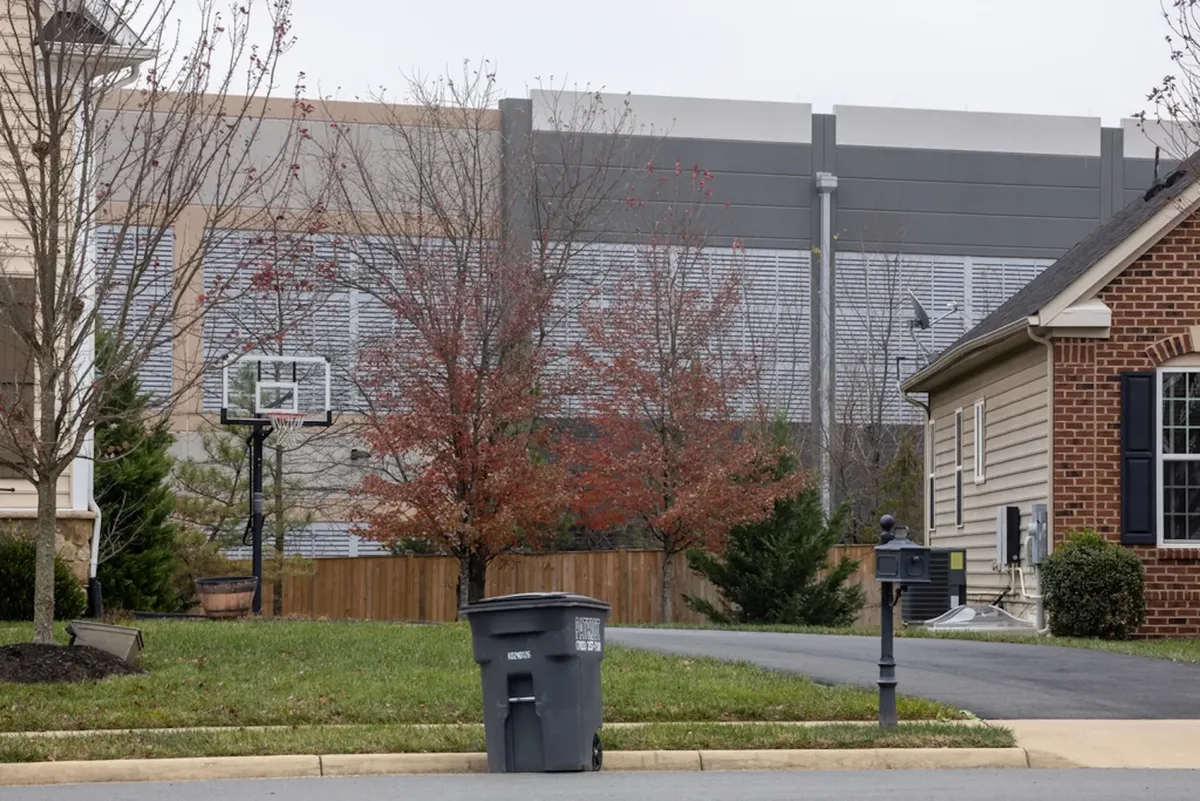
As of summer 2026, 1,878 public schools in the United States lie within a mile of an operating data center or one under construction, according to forthcoming research from Brown University, which found that third-grade math scores declined more in schools near data centers than in schools one to two miles away. California has 602 such schools, Virginia 101 and Florida 49. The US has more than 4,000 data centers of varying sizes, and 38 percent of Americans live within 5 miles of at least one, according to Pew Research Center. In Palm Beach County, Florida, staff and neighbors of the new Saddle View Elementary learned mid-year about "Project Tango," a proposed 202-acre hyperscale data center[1] with 4 million square feet of buildings, some seven stories tall, over 600 industrial cooling fans and a site just 1,200 feet from the school.
Grid strain is already reaching schools: Fairfax County Public Schools in Virginia averaged more than 100 power outages a month over the past year, and Henrico County, home to 37 data centers, asked school staff to conserve power to help offset an anticipated 25 percent increase in the county's utilities bill. Tax breaks and subsidies in 38 states are draining school funding, and in states where data centers are clustered schools are losing up to $250 million a year, according to Good Jobs First. In July 2026 the NEA Representative Assembly amended NEA's AI policy statement to oppose data center construction that harms the environment, the health of educators and students, and student learning.
Opposition cuts across party lines: 71 percent of Americans oppose local data center construction in a Gallup poll, 70 percent of voters in a July Fox News poll, and 63 percent support a one-year moratorium in a Data for Progress survey. Virginia hosts almost 700 data centers and 35 percent of the world's hyperscale facilities — typically 5,000 or more servers and over 1 million square feet — and retired educator Meg Gruber points out that non-disclosure agreements[2] signed by Virginia officials have kept many projects hidden from public view.
Read the original nea.orgDiscussion
Discussion
Most commenters point to practical reasons — cheap land, existing infrastructure and proximity to already-developed neighborhoods — while others offer cynical or conspiratorial takes, alleging officials favor wealthy families who use private schools or see children as future labor. Some simply note that schools put up less of a fight than residential neighbors.
Sources
-
nea.org
Why Are Data Centers Being Built So Close to Public Schools?