Music gear makers open their devices to vibe-coded firmware mods


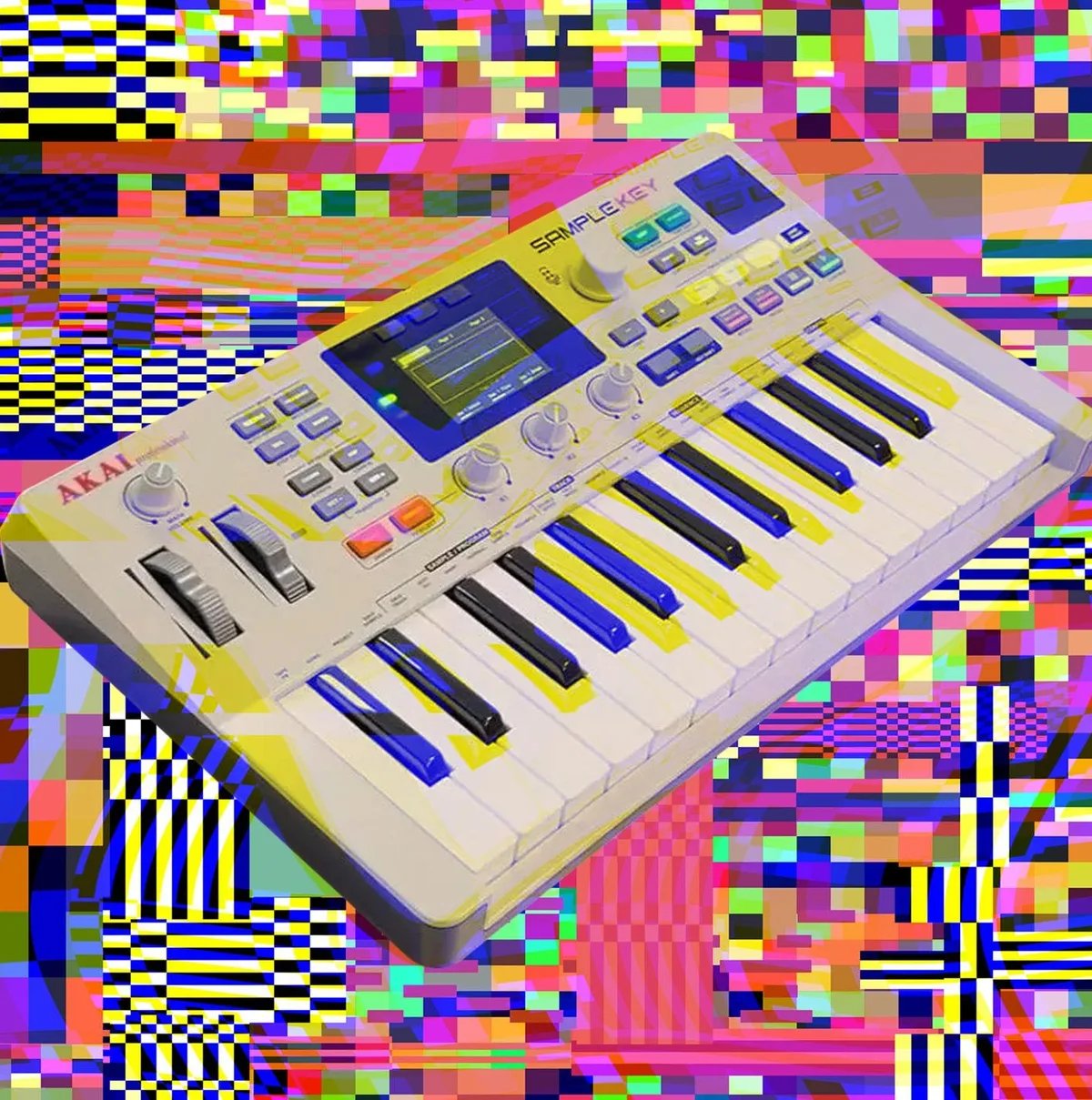
Powerful vibe coding[1] agents and tools such as Reverse Engineer Anything have thrown the music gear industry into upheaval, and in recent weeks more companies have begun making their devices open source. inMusic, the parent company of Akai, Moog and Native Instruments, has chosen to embrace modders: CEO Jack O'Donnell says it will give the community a toolbox and the inner workings of devices such as an MPC, including a recently launched SDK[2] and several open-source devices, among them the recently teased MPC Sample Key.
Behringer announced several open-source devices within weeks, including Kick, a $150 clone of the MPC One, and it is unclear when any of them will launch. M-Vave's $70 FM-1, a pocket clone of the Yamaha DX7, has more than a dozen custom firmwares[3]; the company released open-source firmware and confirmed that its successor, the FM-2, will also be open source. Erica Synths released the source code for its LXR-02 drum machine, and Polyend is open-sourcing its Tracker grooveboxes. Elektron banned links to custom firmware from its official forums, warning that modifications could brick devices, prevent updates and affect warranty coverage.
Elektron's CPO, Christian Alsing, said users have a right to modify their devices but rejected the claim that the company is withholding features. Roland, Korg, Arturia and Novation did not comment for the story and have not issued public statements about AI-aided custom firmware.
Read the original theverge.com
Primary sources and details
- Primary source MusicRadar article on Behringer Kick and open-source devices musicradar.com
- Primary source Facebook post on inMusic GitHub repository release facebook.com
- Primary source inMusic Brands GitHub organization with open source components github.com
- Official Erica Synths post on LXR-02 source code release ericasynths.lv
- Official Polyend page on open-sourcing Tracker grooveboxes polyend.com
- Official inMusicDev GitHub organization page github.com
- Official inMusic press releases page inmusicbrands.com
- Tool Reverse Engineer Anything GitHub repository github.com
- Tool inMusic MPC plugin builder SDK on GitHub github.com
- Tool inMusic MPC remote screen viewer on GitHub github.com
- Analysis Report on inMusic's official MPC GitHub repository journalarta.com
- Analysis Explainer on contents of inMusic's MPC open-source repo midnightrebels.com
Sources
-
The Verge
Has vibe coding made open source the new normal for synths?




 archive