Microsoft and Epic Games take down AI-made game ports while using AI themselves
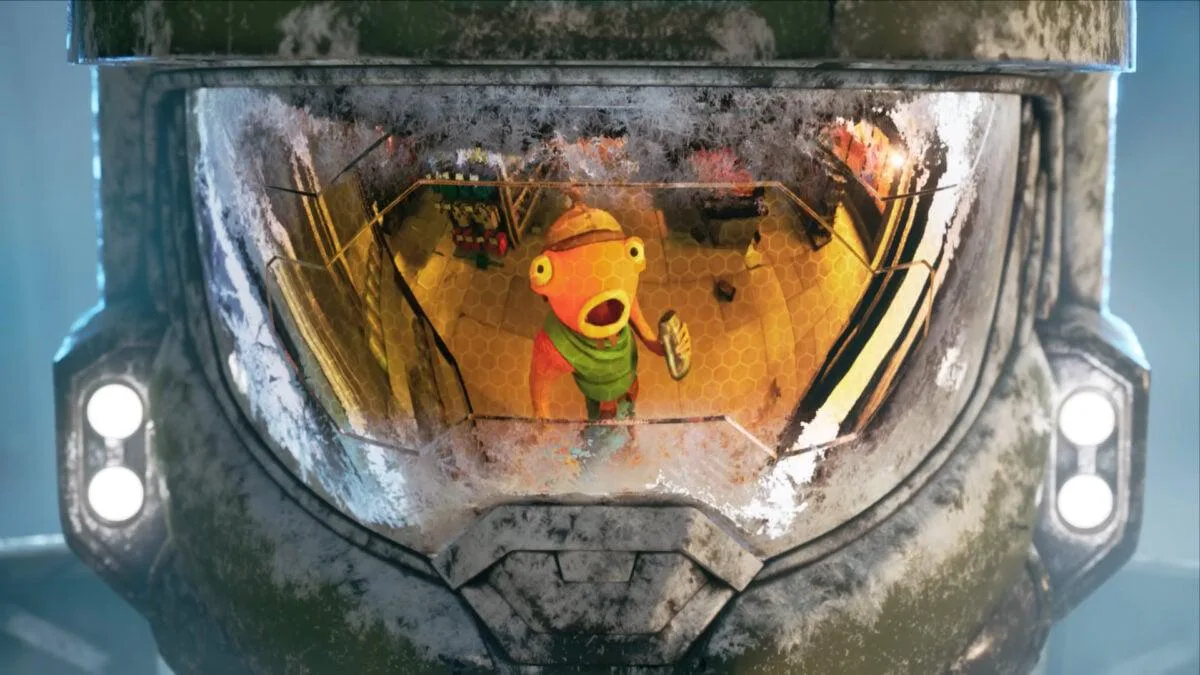
AI advances led by Claude Opus 5.5 have made game decompilations so fast that publishers are facing a daily flood of vibe-coded[1] browser ports and "native" PC recompilations[2], and over the past four weeks companies have answered with hundreds of DMCA takedown notices[3]. Indie games are the prime targets: GitHub's DMCA logs include open-sourced versions of Slay the Spire 2, Celeste and RimWorld — games with no generative AI content whose code was published against their developers' wishes. Epic Games removed a vibe-coded browser port of Fortnite on October 10, and Microsoft has issued multiple DMCA notices for Minecraft, Call of Duty and Halo browser ports over the past month, moves many players frame as karma for publishers that advertise their own AI use.
Both companies are themselves enthusiastic AI adopters, which is where the article locates the hypocrisy. Epic released a vibe-coded launcher on October 14, and a Bloomberg report from October 12 says its upcoming "AI first" Disney/Marvel game will be developed with Anthropic's Claude. In a PC Gamer interview, CEO Tim Sweeney criticized early AI companies for training on data one was found by a court to have downloaded from a BitTorrent site, yet Epic's artists use Google Gemini's Nano Banana and OpenAI's GPT Image, and Anthropic agreed in September 2025 to pay $1.5 billion for training on illegally obtained data while being forced to delete only the data, not the models. Epic's Terms of Service, meanwhile, forbid using code or content extracted from its products as training input for any generative AI program.
Microsoft, which has committed $80 billion per year to building AI data centers, used AI-generated in-game artwork in Call of Duty: Black Ops 6 and Black Ops 7 through Activision, and Xbox CEO Asha Sharma said on October 13 that the company remains committed to "being responsible stewards of IP". Internally, however, director of applied sciences Brent Hecht called the internet scraping done by LLMs[4] the "largest theft of labor in human history" — remarks obtained during discovery in The New York Times' lawsuit against Microsoft and OpenAI. Internal memos also warned that generative AI could "significantly disrupt the employment" of the very people who generated its training data, and that the company's AI content strategy had started a "doom loop" hurting its models and the entire web.
Read the original kotaku.comDiscussion
Discussion
Commenters overwhelmingly call the position hypocritical: AI is "theft" only when it touches property that shows up on shareholder balance sheets. Several argue the companies are not protecting creatives but want their cut of training data — one calls it a pattern of enclosure — while others ask whether they will compensate the creators their models were trained on.
Sources
-
kotaku.com
Microsoft And Epic Games Suddenly Agree That AI Is Theft


