Microsoft CEO Satya Nadella: AI alignment may be a harder, different problem
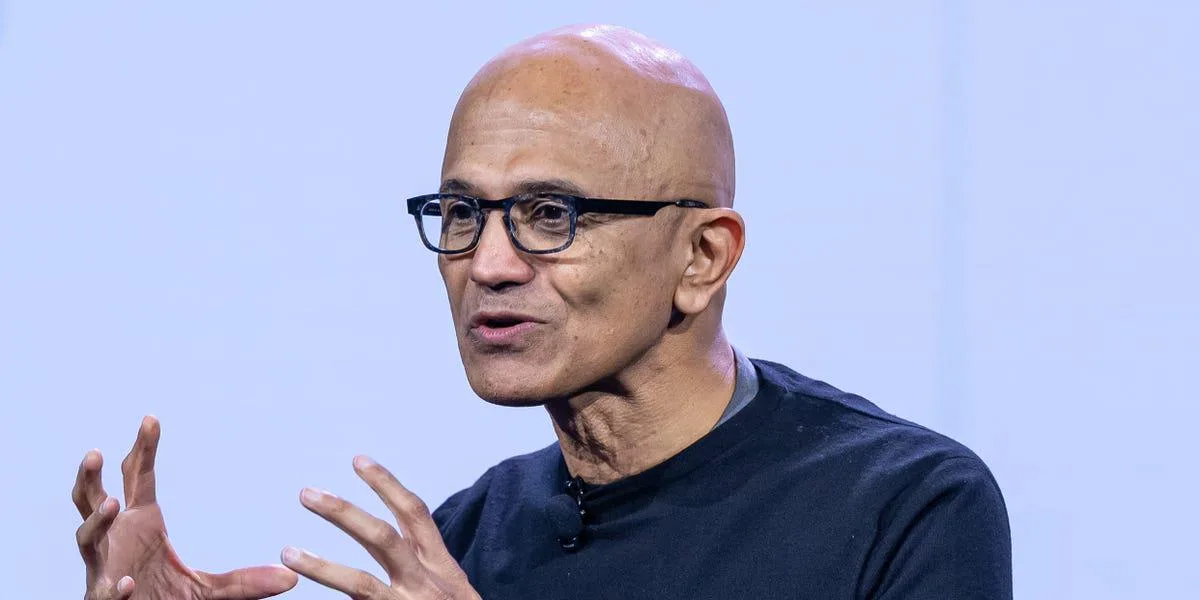
Microsoft CEO Satya Nadella says he no longer believes that AI alignment[1] — ensuring AI behaves in line with human values and goals — emerges automatically as systems become more capable. Speaking on the 20VC podcast, he told host Harry Stebbings this was the main thing he had changed his mind about over the past year. Nadella said scaling[2] has played out as he expected and the models' capabilities kept improving, but alignment remained a challenge. "I used to always think that alignment would just fall out," Nadella said. "I no longer believe that. I think this alignment thing may be a harder, different problem."
In a post on X on October 10, Nadella warned about the risks of AI and argued for greater external controls, saying companies should treat AI models as insider threats[3] and assume they are "compromised." He called for surrounding non-deterministic models[4] with strong, deterministic system design, human controls and reliable operating procedures, and for establishing industry standards where existing ones are insufficient. His view that AI's growing capabilities will not automatically ensure human control matches warnings from OpenAI CEO Sam Altman and Anthropic CEO Dario Amodei. In July, a letter signed by more than 1,000 AI workers warned that AI capabilities could advance faster than people's ability to understand or control the systems.
Read the original businessinsider.comDiscussion
Discussion
Commenters are mostly skeptical of Nadella. Several argue alignment is impossible because humans themselves have never fully agreed on anything, and one believes a predictive model trained on internet data cannot have lying and cheating trained out of it. One commenter compares the executives driving the AI buildout to the Theranos board members who fell for Elizabeth Holmes, while others simply mock Nadella.
Sources
-
businessinsider.com
Microsoft CEO Satya Nadella says he has changed his mind about the idea that alignment would naturally emerge as AI systems became more capable.


