Mark Cuban: Facebook runs AI deepfake scams; Meta docs show $16 billion tied to fraud

Update · : FBI data reported that people over 60 lost more than $7.7 billion to fraud in 2025, 37% more than in 2024, and AI-related complaints across all ages produced nearly $893 million in reported losses. The article also notes that Meta says it removed more than 134 million scam ads in 2025, and that the 95% automated-ban threshold is reported in internal documents.
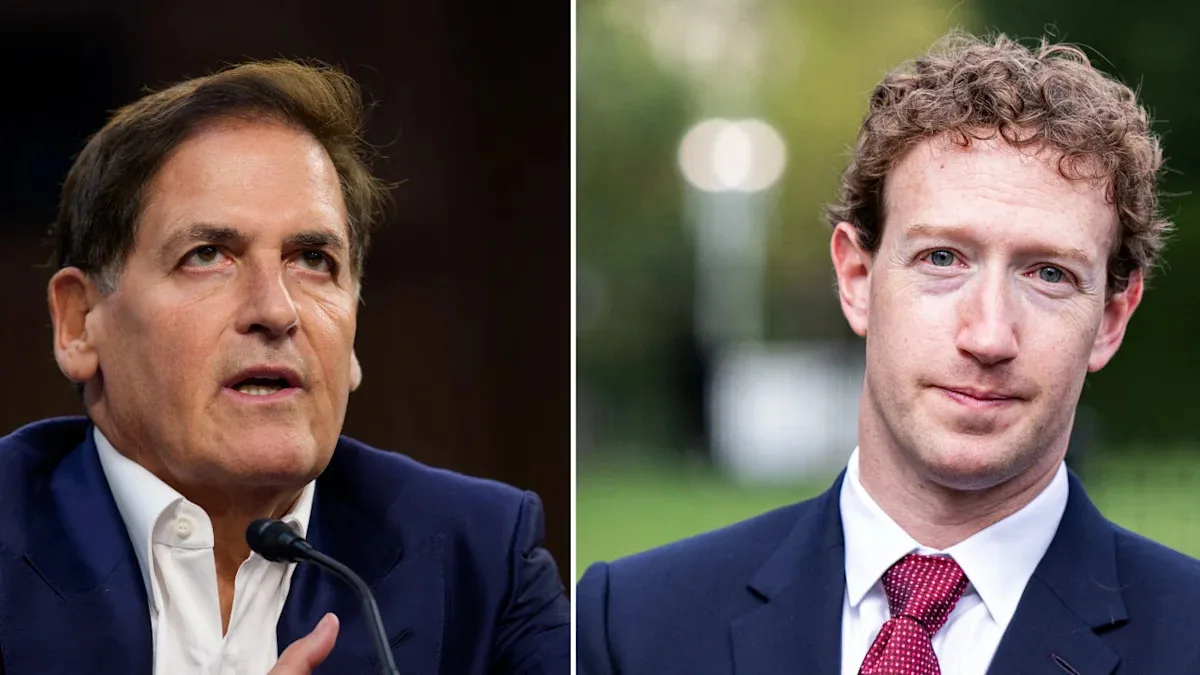
Mark Cuban, the 68-year-old billionaire investor, said on an August episode of the Pivot podcast that he receives emails every week from elderly people asking about a $294 diabetes cure he has never sold. He said the ads are deepfakes[1] built with an AI copy of his face and voice and that Meta runs them anyway: "Facebook knows the little old ladies are getting ripped off," he said, calling the platform "the worst of the worst." Some of the ads carry a disclaimer saying the person on screen is AI-generated and the clip is meant as entertainment, but he argued the pitch has already worked by the time anyone gets to it. Cuban does run a drug company: he co-founded Cost Plus Drugs, an online pharmacy that sells low-cost generic medications[2].
On Nov. 6, 2025, Reuters reported internal Meta documents showing the company expected roughly $16 billion, about 10% of its 2024 revenue, to flow in from ads pushing scams and prohibited products. By Meta's internal count, users across its apps were seeing some 15 billion "higher risk" ads a day, a category a late 2024 document valued at about $7 billion a year. A May 2025 presentation by Meta's safety staff estimated the company's platforms play a part in a third of the scams that succeed in the U.S. Before Meta bans an advertiser, its automated systems must peg the account as at least 95% likely to be running a scam; below that threshold, the suspected scammer simply pays more per ad and stays live.
Meta spokesman Andy Stone told Reuters the documents "present a selective view that distorts Meta's approach to fraud and scams," called the 10% estimate "rough and overly-inclusive," and said complaints from users about scam ads had fallen 58% over the prior 18 months while the company pulled down more than 134 million scam ads in 2025. The same documents note the Securities and Exchange Commission (SEC)[3] is looking into Meta over advertising tied to financial fraud.
Read the original yahoo.comDiscussion
Sources
-
Yahoo Finance
Cuban: Facebook knowingly runs AI deepfake scam ads; docs say $16B fraud revenue
-
yahoo.com new source ·
Mark Cuban Accuses Facebook of Running AI Deepfake Scams as $16 Billion Revenue Estimate Emerges


