Marissa Mayer's AI-assisted parenting remarks draw widespread backlash
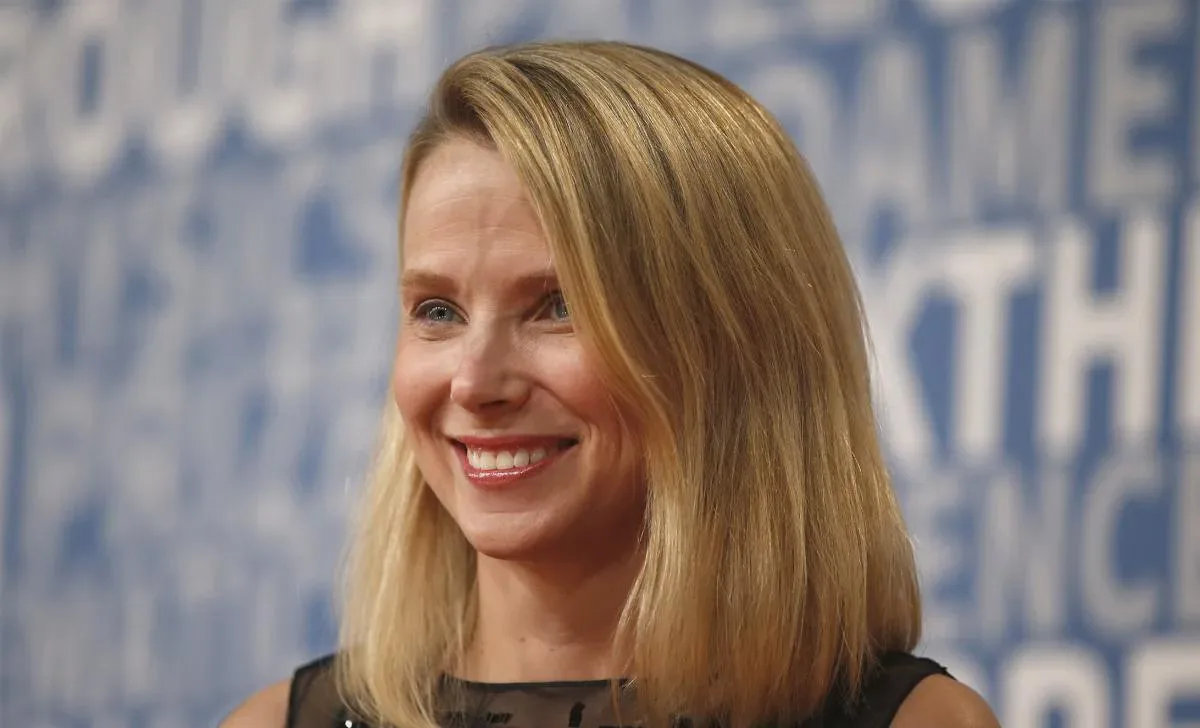
Former Yahoo CEO and early Google engineer Marissa Mayer is facing backlash over her new app Dazzle, an AI assistant that learns from a user's camera roll[1]. In an interview she offered as a highlight that the app wrote three bullet points about her 10-year-old daughter for a birthday presentation at school, describing her as "empathetic, creative, and an animal lover" — a description the author calls vague, like a generic horoscope. Activist Leah Greenberg said the fact that Mayer would voluntarily disclose this "is a pretty good demonstration of how deeply the culture of Silicon Valley has diverged from the rest of humanity." After publication, Mayer defended herself in a long X post, saying she was testing what the prototype could do when it resurfaced photos of "forgotten kindergarten projects" like a "snake devenomer" and a "sandcat playground."
In the same interview, Mayer said the app could take over the mental load of "figuring out the theme for your child's birthday party," and that she used it to plan a playdate, book family activities on vacation and pick a Halloween costume; she even suggested her assistant could coordinate plans with her husband's assistant. Asked whether it is depressing to imagine this "frictionless future" planned by AI, she replied, "I haven't really thought that through." OpenAI CEO Sam Altman drew similar criticism: last year he told late-night host Jimmy Fallon he "cannot imagine … figuring out how to raise a newborn without ChatGPT," and a few months ago he was "brutally ratioed"[2] on X for proposing a ChatGPT Work use case of podcasts about kids' upcoming birthdays or soccer games.
A Pew Research Center study found 50% of U.S. adults think AI will reduce people's ability to form meaningful relationships, while only 5% said it would make such connections easier. Meta CEO Mark Zuckerberg said on a podcast that the average American has fewer than three friends while having demand for around 15, and predicted it will become more socially acceptable to outsource emotional needs to AI therapists or AI romantic partners. The author argues the tech industry's culture of efficiency does not fit human relationships, which are inherently messy but can give lives meaning, and that delegating them to computers means giving up "the difficult, yet fulfilling experience of being people."
Read the original techcrunch.comDiscussion
Discussion
Commenters largely say AI agents[3] are being built for problems executives have rather than problems ordinary people face, and that tech leaders are insulated from criticism by money and by people around them who never disagree. Several argue "out of touch" is too generous — one writes that they know exactly what the public wants and simply don't care — while another calls CEOs, in the end, just salesmen.
Sources
-
techcrunch.com
AI execs may be too out of touch to build for the general public


