Japan's 71 data breaches of 2026, sorted by entry point
A Zenn article sorts the 71 data breach incidents disclosed in Japan during 2026 by entry point into six categories (A–F), drawing on companies' press releases and investigation reports as of October 24, 2026. The largest cases include KDDI's mail system, where 12,231,954 people were affected and 7,616,173 of them had passwords exposed through a vulnerability in third-party software built into the system, unknown even to that software's vendor; Park24's Times Car service with 6,628,007 items showing traces of external transmission; and Sagawa Express with up to about 53.23 million items, the largest single incident in Tokyo Shoko Research's statistics going back to 2012. An entry path was published for 48 of the 71 incidents; the other 23 are undisclosed or still under investigation, among them Sagawa, the Gyu-King app (about 10.79 million) and Capcom (about 11.77 million), so for one incident in three the method cannot be seen from outside. Tokyo Shoko Research counted 10 breaches of 1 million or more items at listed companies and their subsidiaries by October 5, versus 6 in all of 2025, and 8 of 10 million or more so far this year on provisional figures; the author cautions that counts mix units — people, accounts, records, cumulative cases — and should not be added up or compared.
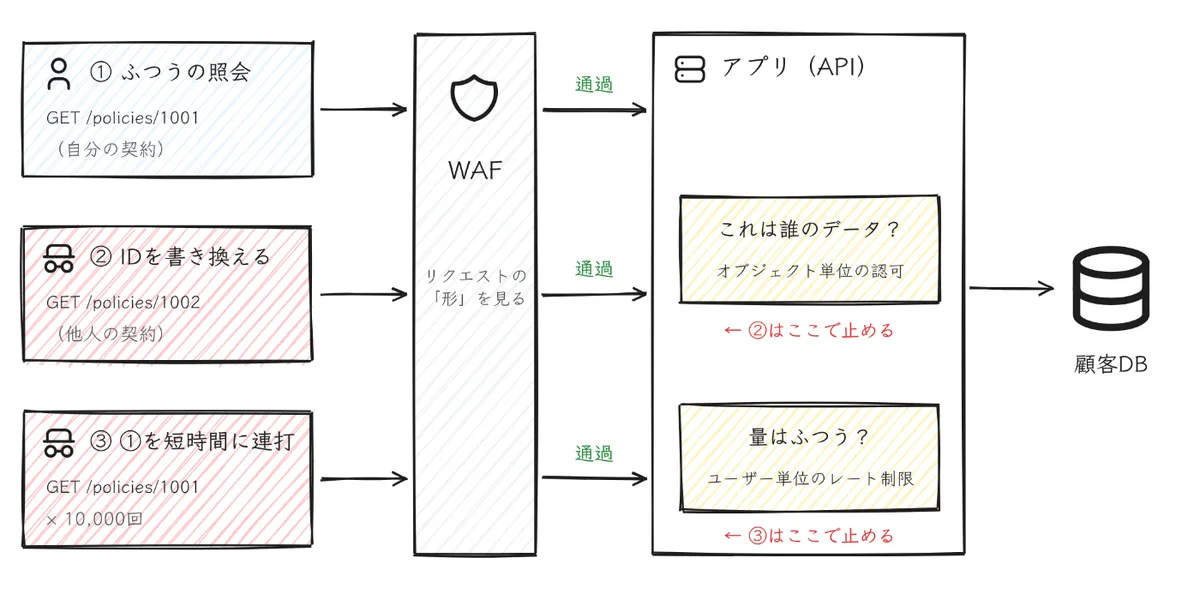
The largest category, vulnerabilities in public-facing systems, covers 20 incidents and includes internal tools that were reachable from the internet: the Metabase instance at LEAN BODY and BI tools[1] at VOISING, ACCESS and NEXT STAGE, with JPCERT/CC citing Metabase SQL injection[2] (CVE-2026-72898) as one attack technique. Nine incidents involved stolen credentials or API keys, including Rakuten Drive, where an administrative account's access to user data went undetected for about 7.5 months, and two cases where leaked GitHub credentials led to repositories being cloned. Eleven incidents came from authorization or specification flaws, where requests look like normal traffic and are therefore hard for a WAF[3] or vulnerability scanner to catch; Aflac (about 4.4 million customers) and Sourcenext (22,519,960 records including passwords) fall here, and the author's point is that only the people writing the application can prevent them.
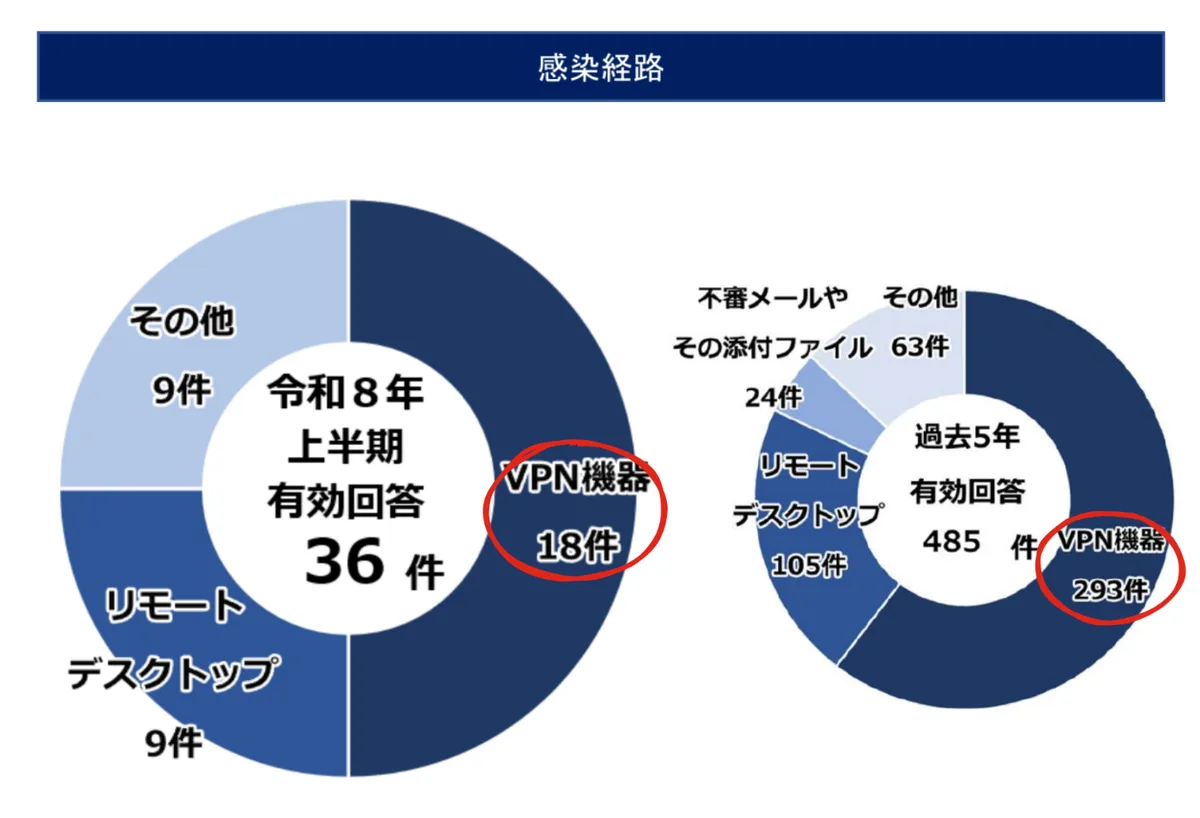
Police counted 123 ransomware reports in the first half of 2026, a half-year record (79 small and medium businesses, 31 large companies, 13 organizations), while in reports to the Personal Information Protection Commission misdelivery (48.3%) and mis-sending (26.0%) dominate by count and unauthorized access accounts for only 9.4%. Verizon's DBIR 2026, covering November 2024 to October 2025, puts vulnerability exploitation at 31% of initial intrusion paths, the first time it ranks first, with third parties involved in 48% of incidents, and only 26% of vulnerabilities in the CISA KEV[4] catalog fully remediated, with a median of 43 days to fix. The breaches shared aggravating factors — spread through contractors or shared platforms, months of going unnoticed, keeping data that was not needed, and losing backups along with production systems — and the article closes with 32 checklist items split by role for application developers, infrastructure and SRE, in-house IT teams, and product managers.
Sources
-
JPZenn JA
2026年の国内情報漏えい71件を侵入経路で分類してみた