How a humanities graduate with no coding skills lasted 25 years in big tech
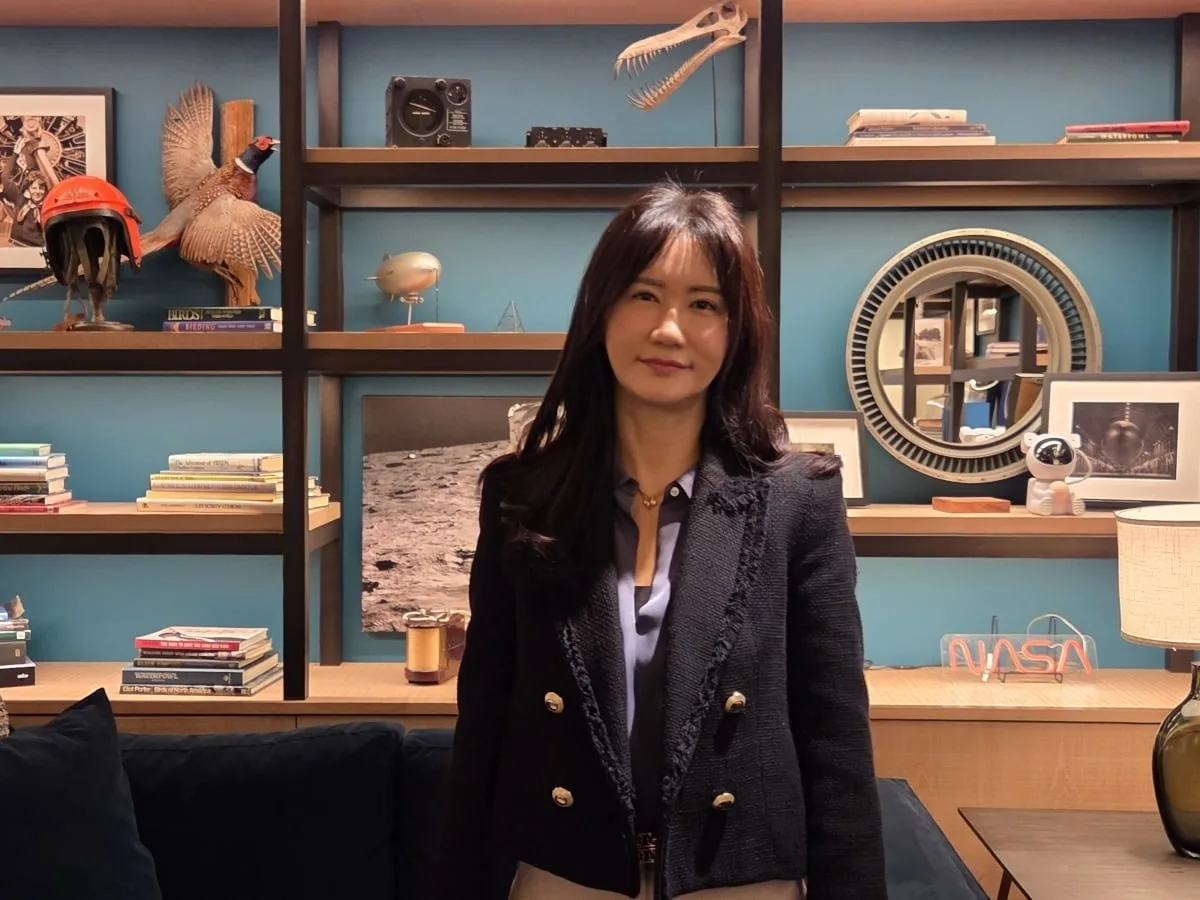
Jung Su-jin, a former head of AI user experience research at Google DeepMind, spent 25 years at Samsung, Intel, Meta and Google. In an interview with Korea Economic Daily, she recalls that in spring 2022 she told Google's executives in Mountain View that "the future of search is not search." Months later, OpenAI launched ChatGPT, and Google, which already had the transformer technology behind it, fell behind. She described Google as caught in an innovator's dilemma[1]: an AI chatbot threatened search advertising, the company's biggest cash cow[2], and more than 100 vice-president-level executives had to be persuaded. Google then declared a code red[3].
She believes technology should follow people, not the reverse. Intel, she said, found in user research that people did not want a smartphone, even as it had been considering one before the iPhone came out. At Google DeepMind, a researcher reported that a 0.1-second AI response delay was raising drop-off, but she argued that users feel anxiety during that wait, so the design of the wait matters too. At Meta's hidden hardware group, Building 8, the company faced brand baggage[4], the negative image and privacy concerns attached to Facebook, and in consumer tests reactions to the same product depended on who made it.
Asked about the AI era, she said humanities skills such as accountability and empathy are gaining weight. She advised people to build deep expertise in a field they love and to keep asking which problem they want to solve. She plans to start her own AI business.
Read the original hankyung.com
Sources
-
KRKorea Economic Daily — IT KO
코드 모르는 문과생, 빅테크서 25년 동안 살아남은 비결이