Hollywood flipped from banning GenAI to demanding AI plans, says Weta FX chief
Major Hollywood studios have gone from banning GenAI[1] outright to shunning VFX[2] vendors that lack an AI plan, according to Daniel Seah, CEO of Weta FX, the VFX house behind "The Lord of the Rings" and "Avatar". Early last year, studio legal departments sent Weta memos saying there was no scenario in which GenAI could be used on their work; by mid-year several clients allowed it, provided Weta got pre-approval and worked with only a small number of companies; around the turn of the year, clients began asking about Weta's AI strategy, mostly to find out how much money the technology could save. Since the third quarter of this year, Seah said, the message has been: "If you don't have an AI strategy, don't bother to work with us." Weta's clients are mainly the Big Four studios and streaming platforms.
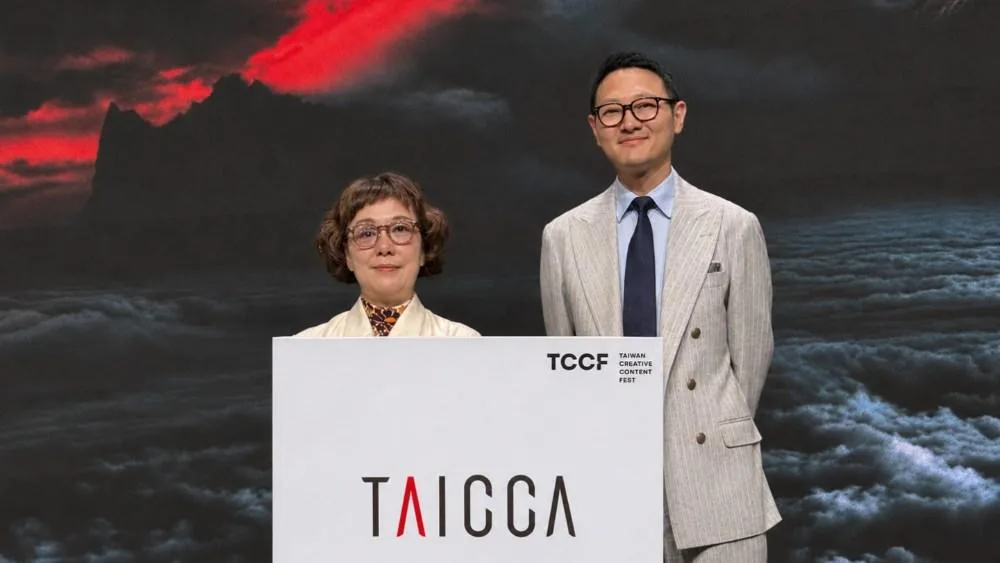
The shift pushed Weta into a partnership with Taiwanese animation and VFX studio Moonshine, which it has worked with for around six months, signed with the Taiwan Creative Content Agency (TAICCA) at the Taiwan Creative Content Fest in Taipei. CTO Kimball Thurston said Weta builds its own AI models for modifying and recreating the world rather than ChatGPT-type models and, where clients permit, uses outside video models such as Kling AI and ByteDance's Seedance, which security rules require to be hosted outside China. Work with Moonshine is likely to focus on the artist layer — what the AI world calls the harness[3] — with the goal of a tool that refines stories across "whole timelines of long-form content rather than just 20-second TikTok videos"; Seah added that Weta has no intention of using AI to replace artists or employees.
Under the partnership, TAICCA and Taiwan's Ministry of Culture will identify young talent for possible internships at Weta's offices in Wellington, Melbourne and Vancouver; Weta has no footprint in Taiwan, which Seah called an ideal base for exploring Asia. TAICCA chair Sue Wang called the deal the biggest Taiwan has struck in the content industry so far. Thurston also described an open-source project started about 18 months ago, the Rongotai Model Train Club, which tracks refinement and LoRA[4] training, writes that usage into image metadata, and requires anyone defining a model to state which datasets were used.
Read the original variety.comDiscussion
Discussion
Most commenters are hostile to generative AI: some call it outright garbage, and several read Weta's "enhance, not replace" claim as doing more work with fewer people. One commenter is optimistic that films with a big-budget look will get much cheaper to make, while others ask for a plain explanation of what the metadata tracking project actually does.
Sources
-
variety.com
Hollywood Has Flipped on GenAI, Says ‘Avatar’ VFX House Weta FX Chief


