Hackers say a flaw in LED display software let them show porn on an Egyptian billboard
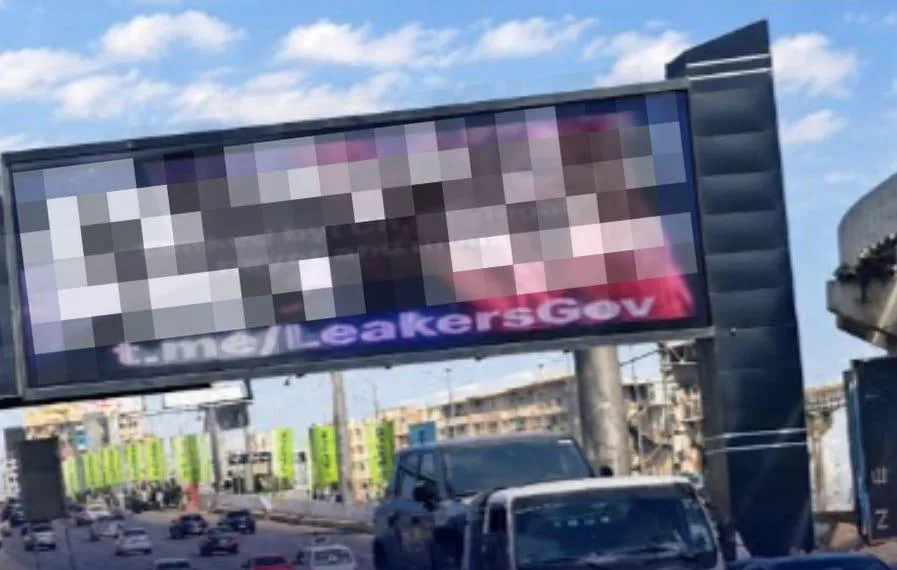
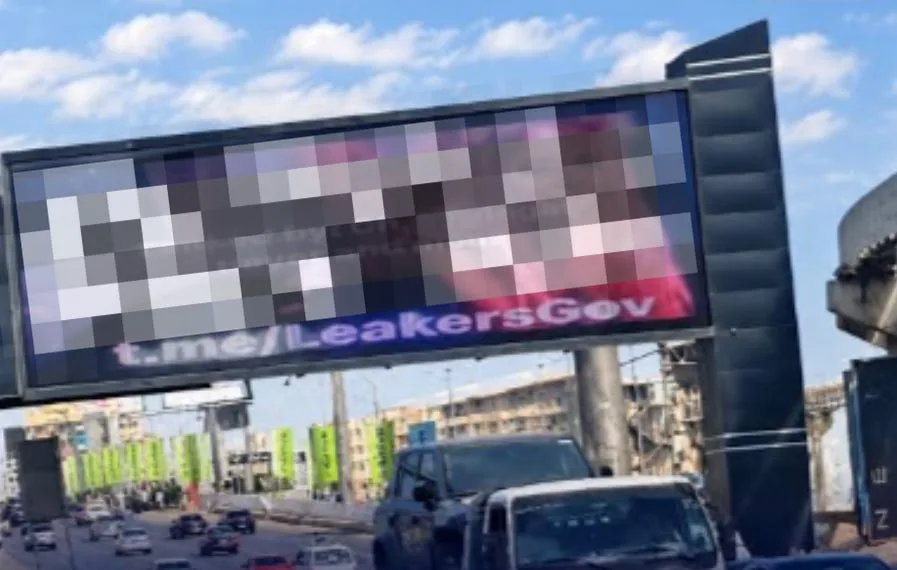
On Thursday, Oct. 29, sexually explicit footage appeared on a large electronic billboard overlooking the 26 July Corridor in Giza — one of the busiest highways in Egypt, connecting Cairo with its western suburbs — prompting authorities to suspend advertising displays along the road and open an investigation.
Egypt's Interior Ministry attributed the incident to the hacking of an unnamed international advertising company's website and said the same footage appeared on screens in several countries simultaneously, without identifying the company, the countries, or any suspects or explaining how the breach translated into control over roadside displays. A group operating the Telegram channel 'Leakers$' told The Cairo Report that it exploited a vulnerability in the software used to transmit content to LED displays[1], gaining access to display systems in Iraq, Malaysia, Brazil, China and other countries. Its members found thousands of exposed systems through an automated scan[2] lasting approximately two hours, with participants using the online pseudonyms Never, 19ylegal, CH and Nivex. The group did not provide enough technical evidence to establish whether the operation used an unknown software flaw or simply reached poorly protected equipment exposed to the public internet, and it said its objective was to expose security failures rather than demand payment or carry out a ransomware[3] attack.
The billboard is operated by Arabian United, an Egyptian-Saudi venture established in 2022 by United Media Services (UMS), Egypt's intelligence-linked media conglomerate, and Saudi-listed Arabian Contracting Services Co. According to the Saudi company's 2025 annual report, its Egyptian subsidiary operates 1,926 advertising billboards, including 239 digital installations, across Cairo, Giza, Alexandria and the North Coast; its March 2026 financial statements put its stake in Arabian United at 49.99%, with effective control through 57% of board seats. Arabian United acknowledged the intrusion, saying an unknown party had gained unauthorized access to one of its advertising screens, which it suspended immediately while investigating in coordination with authorities. Egypt regulates roadside advertising content through the National Authority for the Regulation of Roadside Advertising created under Law No. 208 of 2020, but neither that framework nor the government's statements explain what cybersecurity standards apply to such systems.
Read the original cairoreport.orgDiscussion
Sources
-
cairoreport.org
Hackers hijacked a highway billboard in Egypt and screens in Malaysia to show porn.

