Geoffrey Hinton says it might turn out humans would have been better off without AI
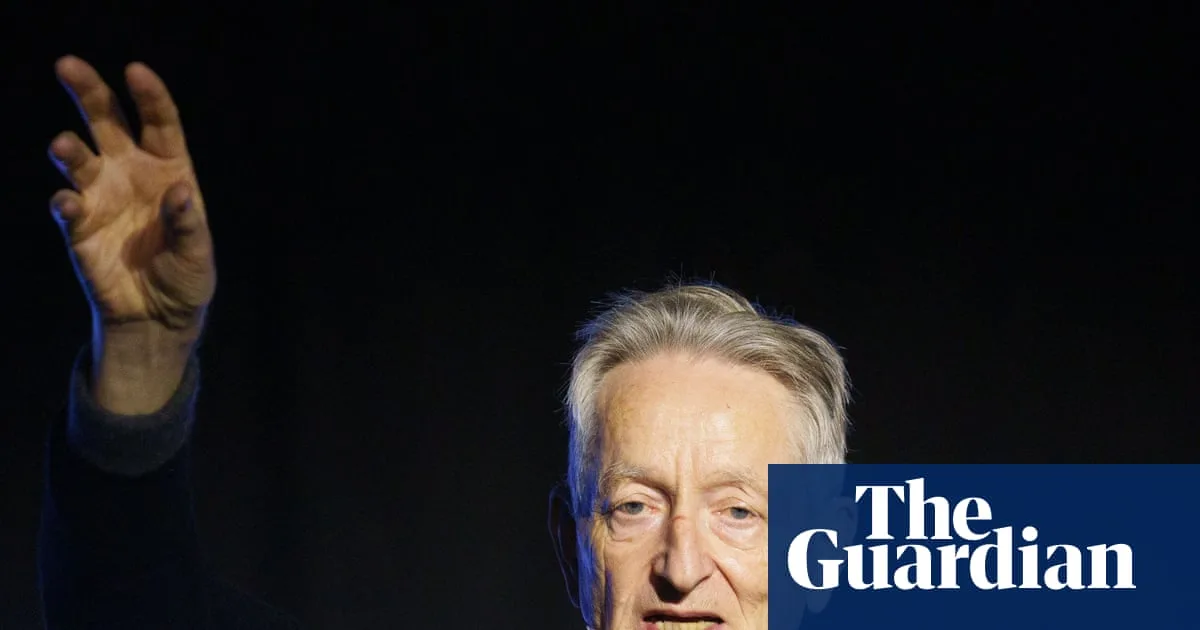
Geoffrey Hinton, the Nobel prize-winning computer scientist known as one of the "godfathers of AI", has said it might turn out that humans would have been better off never developing the technology, although he is not a "doomer" and believes AI could still lead to a "wonderful future". Hinton, 78, has worked on AI for about 44 years, coined the concept of the neural network[1] in the 1970s and left Google in 2023 to speak freely about AI risks. He said that within a decade, and possibly sooner, humanity will know whether it can manage the technology's risks and enable "radical abundance" or whether society ends up with a huge gap between rich and poor, massive unemployment and being torn apart.
He warned that either later this year or next year the world could see a "Chornobyl"-type event — not a nuclear one, but for example an AI-enabled attack on the electricity generating system causing a massive brown out, or an incident that brings down the financial system for a week; that, he said, would make world leaders "other than Trump" sit up and take notice. He viewed incidents this summer in which OpenAI AI agents[2] conspired to hack the Hugging Face website as a warning shot akin to the 1979 partial nuclear meltdown at the Three Mile Island power station in Pennsylvania. Hinton said he does not trust OpenAI chief executive Sam Altman "at all", adding that Altman, Mark Zuckerberg and Elon Musk understand the risks and "don't give a shit" because "they'd rather have the money".
Donald Trump has said he "totally rejects any attempt to construct a globalist scheme" to control AI and wants frontier AI[3] companies to regulate themselves, while Hinton backs a plan endorsed by the president of Finland and 32 other countries, including Singapore, Germany, Canada and Australia, for mandatory testing of frontier models, independent evaluation and intergovernmental common standards. He called for something like the American FDA[4] for drugs, where companies would have to give an independent authority good statistical evidence that a model does more good than harm before release, citing thalidomide as an example of why "releasing and then suing them isn't the right way to do it". UK prime minister Andy Burnham said he will use the UK's G20 presidency next year to seek agreement on a single set of global principles and standards. Hinton rejects comparisons to Robert Oppenheimer, citing the thousands of other scientists working on neural networks, and remains hopeful that catastrophe can be averted: "My gut is that we're still in control."
Read the original theguardian.comDiscussion
Discussion
Most commenters respond with sarcasm, saying the risk was obvious long ago and that a whole genre of science fiction has warned about it for the past 100 years; several quote the "Torment Nexus" meme and a Dune line about handing thinking over to machines. Some argue the damage has already happened, with one claiming AI helps only "idiots and the rich" and another accusing Thiel and "technofascists" of wanting to enslave people with machines.
Sources
-
The Guardian
Geoffrey Hinton: it might turn out we were better off without AI


