FreeBSD: creating an Ubuntu virtual machine with bhyve and vm-bhyve
The author wants to run Hermes agents in a clean Ubuntu installation with Docker. They first ran the agents in FreeBSD jails[1], then in Ubuntu jails, where there is no systemd, so services had to be started by a separate shell script.
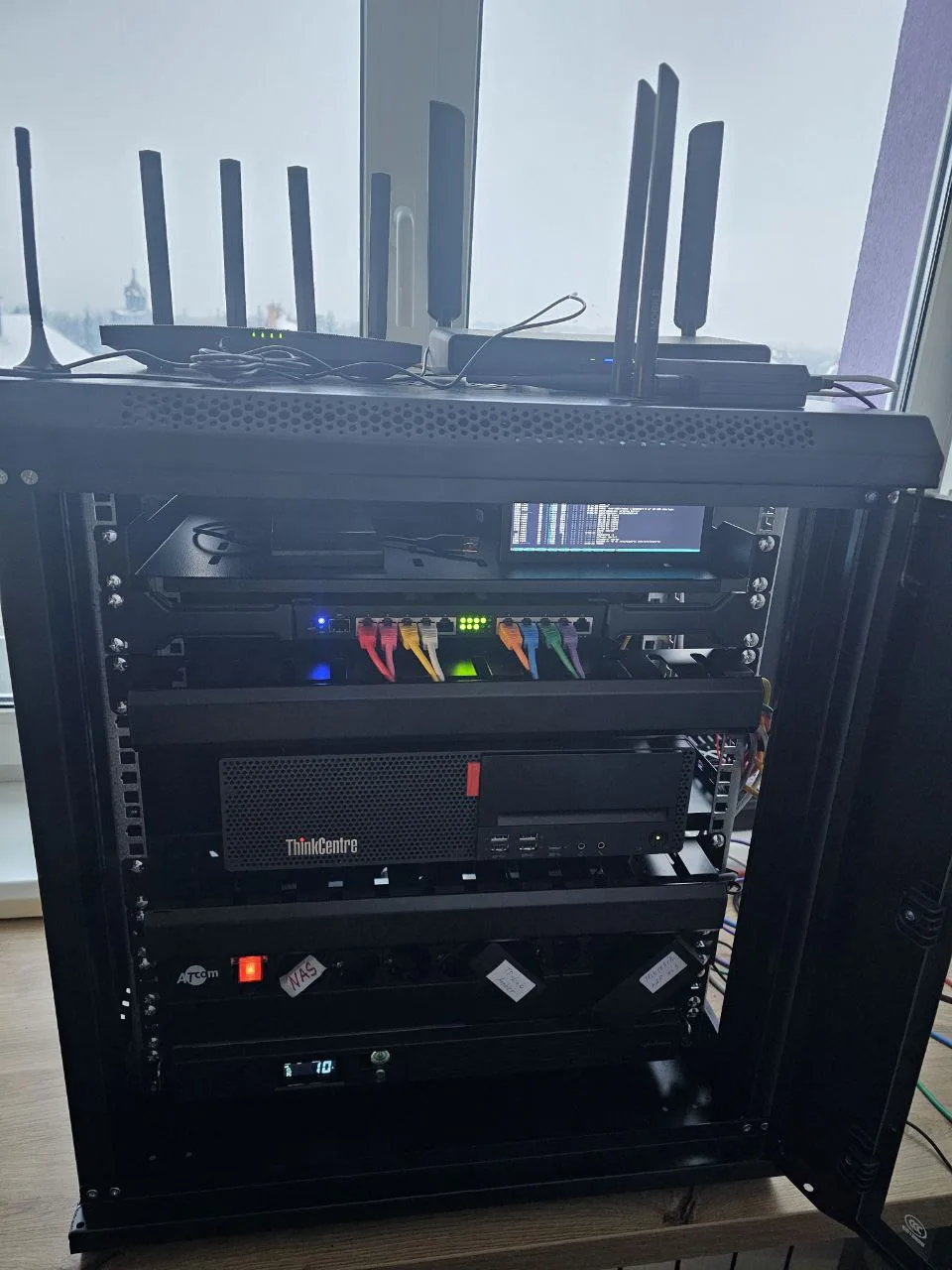
The article is a practical guide to creating a virtual machine with bhyve[2], the FreeBSD hypervisor that has been part of the base system since FreeBSD 10.0. It supports UEFI boot, virtio disks and networking, and a VNC console for the installer. The author runs FreeBSD 14.4 on a Lenovo ThinkCentre M720s with an Intel Core i3-8100 CPU and 24 GB RAM. Before installing, they check the CPU for VT-x and EPT[3] support, install vm-bhyve[4] and edk2-bhyve, and keep VM data in a separate ZFS dataset, nas/bhyve.
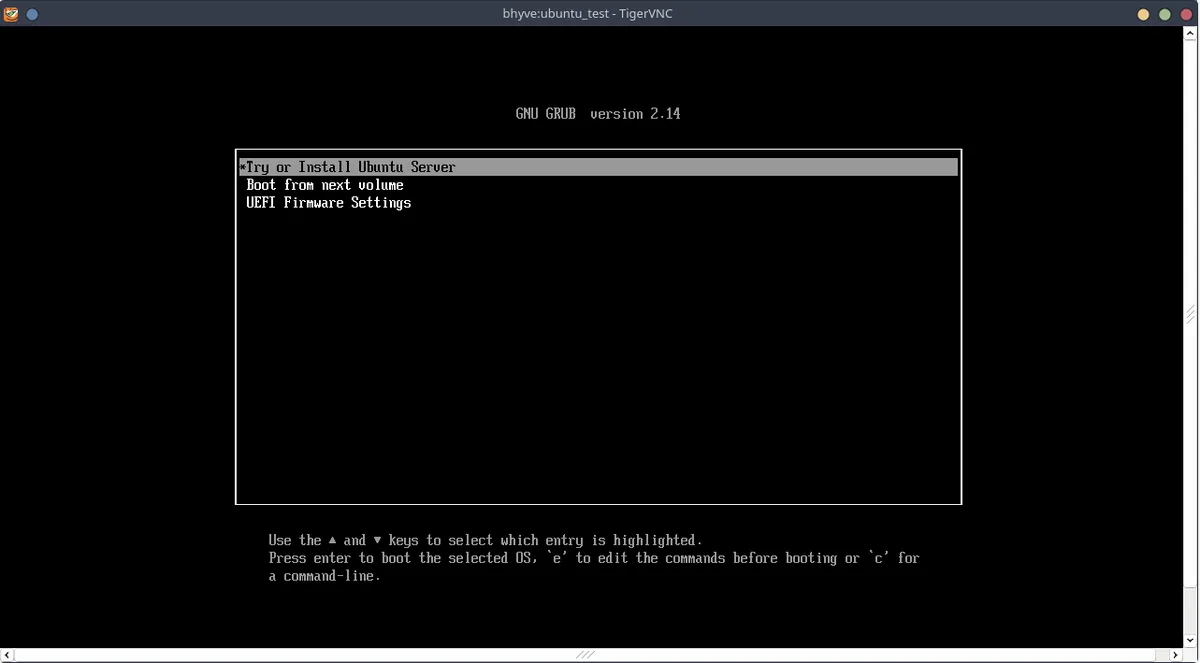
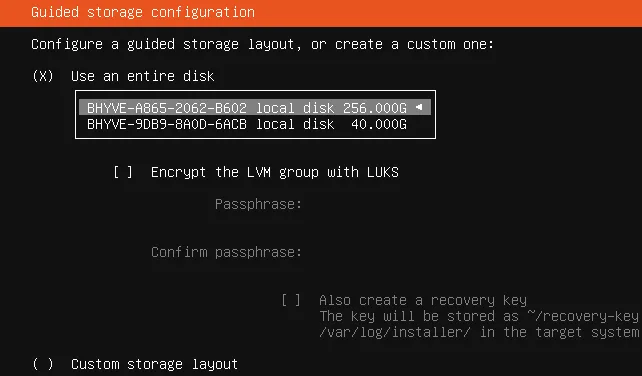
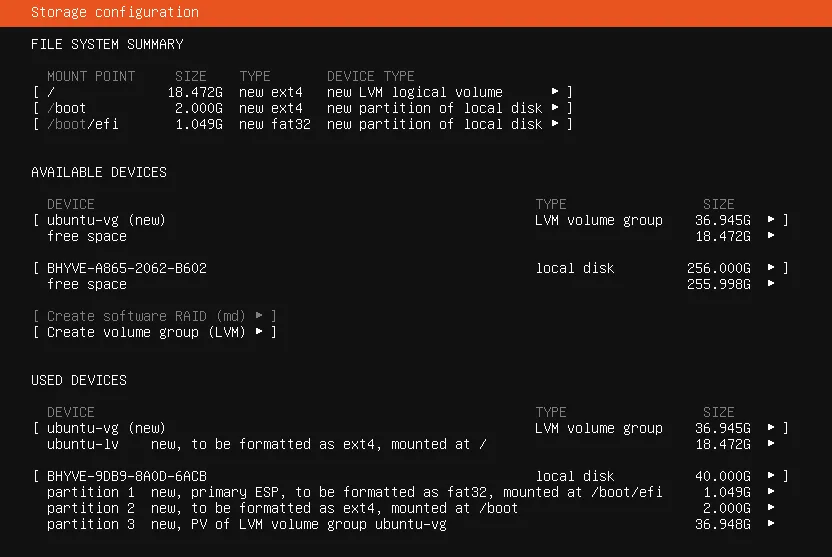
The author creates a manual vm-bhyve switch on the existing em0bridge bridge, so the VMs get addresses on the local 192.168.0.0/24 network. The guide then covers downloading the Ubuntu 26.04 ISO with vm iso, checking host CPU and RAM, and connecting to the installer over VNC. The author describes the post as purely practical, without a comparison of systems.
Website FreeBSD freebsd.org
FreeBSD is a free, open source Unix-like operating system used for servers, desktops and embedded devices, developed by a large volunteer community.
Read the original rtfm.co.uaDiscussion
Sources
-
RTFM: Linux, DevOps, and system administration | DevOps-engi
FreeBSD: Virtualization with bhyve – RTFM: Linux, DevOps, and system administration


 archive