Flock cameras spark nationwide backlash over privacy and police abuse
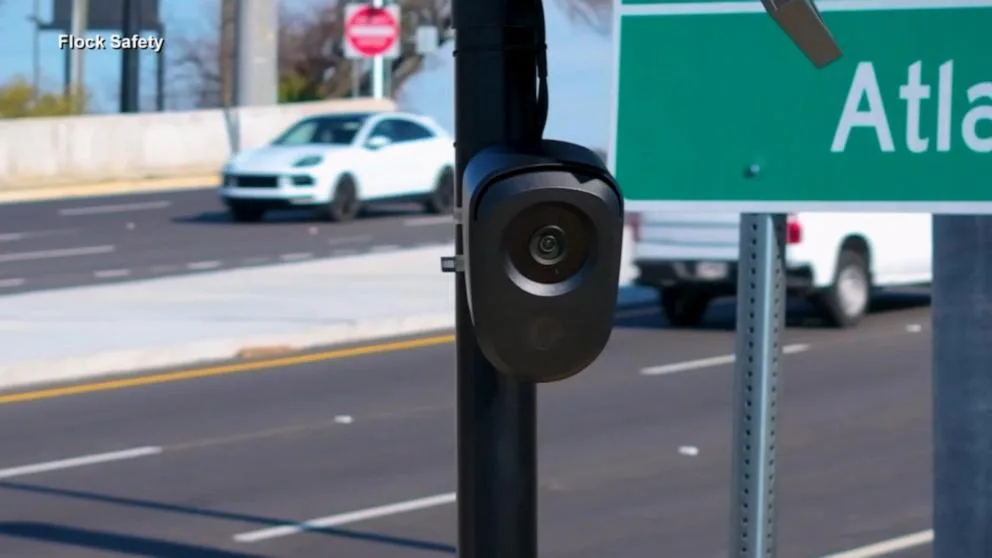
More than 50 cities and counties have canceled or deactivated automatic license plate-recognition (ALPR)[1] cameras this year, most of them made by Flock Safety, and Florida's state transportation office revoked local law enforcement's ability to place plate readers on state highways; the cameras have also been vandalized in at least 36 states, including incidents where people sawed them down or shot at them. Privacy concerns have been fueled by cases of police abuse: a Kentucky officer was arrested last week after allegedly using Flock cameras to track his ex-girlfriend more than 2,000 times, and six police department employees in Savannah, Georgia, were fired in August over alleged abuse of the cameras. The non-profit Institute for Justice says it has identified more than 100 incidents of ALPR abuse, including stalking and wrongful stops.
According to crowdsourced data from DeFlock.org, more than 135,000 ALPR cameras have been identified nationwide, and four of every five are made by Flock Safety, which says its cameras operate in 49 states. The pole-mounted devices capture a vehicle's license plate number and characteristics as it passes; the company says they do not identify individuals and do not record continuously. Earlier this month, Flock Safety introduced new safeguards, including a default data-retention period of seven days instead of 30 and an "Evidence Mode"[2] for preserving data related to an active investigation. Critics also point to the role of artificial intelligence: American Civil Liberties Union (ACLU)[3] senior policy analyst Jay Stanley said companies let law enforcement run algorithms that decide whether movement patterns are "suspicious," and called the backlash the biggest grassroots privacy reaction he has seen in more than 20 years working on these issues.
Supporters point to crime-fighting results: Flock Safety says its cameras helped authorities locate more than 10,000 missing people last year — more than 27 per day — and supported roughly 1 million criminal investigations in 2025, including helping to identify the car of a suspect in the murder of a Brown University professor. Texas Gov. Greg Abbott paused state funding of Flock cameras, Pennsylvania Gov. Josh Shapiro said he would welcome a bipartisan bill to ban them in his state, and Sen. Josh Hawley announced an investigation into Flock Safety. Some experts, including University of North Carolina professor Torin Monahan, say a judicial warrant[4] should be required to access the camera data — a view shared by University of New Haven lecturer Kenneth Gray, who acknowledged that the system also collects information on many innocent people.
Read the original abcnews.comDiscussion
Sources
-
abcnews.com
Flock cameras trigger nationwide backlash over privacy concerns, police abuse