Facial recognition system Facewatch wrongly accuses UK shoppers of shoplifting
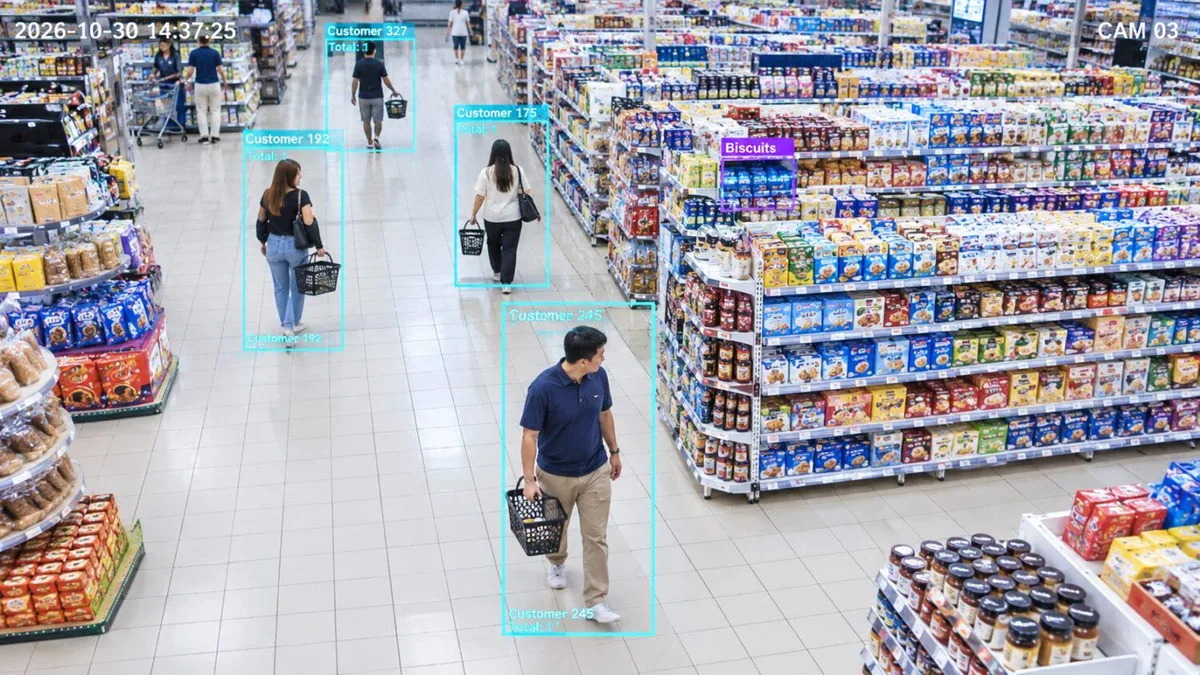
Shoppers at UK stores using the Facewatch facial recognition system have been wrongly accused of shoplifting: one man who came to a Home Bargains with his wife to buy vitamins was told to get out, and later said he was scared to go into a shop. Facewatch maps shoppers' facial geometry and compares it against a watchlist of people reasonably suspected of involvement in crime; participating retailers have included Home Bargains, B&M, Budgens, Costcutter and Sports Direct. A possible match only triggers an alert to staff, yet documented cases show alerts treated as grounds for confrontation, bag searches, removal and store bans.
Civil-liberties group Big Brother Watch documented the case of Danielle Horan, who was wrongly placed on the watchlist and twice accused and removed from stores despite being innocent, with her biometric data[1] shared between retailers, a practice the Information Commissioner's Office (ICO)[2] has confirmed is part of Facewatch's shared national watchlist system. A teenager identified as Sara was subjected to a bag search at Home Bargains and told she was barred from other retailers using the software; Facewatch later acknowledged that both its technology and a human 'super-recogniser'[3] had mistaken her for someone else. At a Budgens store, a woman was accused of stealing 'loads of meat' even though the couple said they had not visited the store in months. Facewatch says it takes responsibility for its technology while retailers are responsible for how staff interact with customers, and Sainsbury's paused facial-recognition alerts after an innocent shopper was removed, then later resumed live alerts.
UK data-protection law gives wrongly flagged shoppers the right to a Subject Access Request[4], to which organizations normally must respond within one month, but Big Brother Watch describes the process as a bureaucratic ordeal in which people may be asked for additional identifying information by the very organization that accused them. The ICO called the accounts of wrongly flagged shoppers 'harrowing' but concluded regulatory action against Facewatch was not required, recommending ongoing audits, privacy-policy reviews and risk monitoring instead. With no publicly available independent audit identified that measures performance across age, race, sex, lighting and camera conditions, retailers are called on to publish alert volumes and false-match rates and to set defined controls on watchlist sharing between stores, while staff are urged to treat an algorithmic alert as a prompt for cautious investigation rather than an accusation.
Read the original gadgetreview.comDiscussion
Discussion
Many commenters say they have stopped using self-checkout rather than be treated as potential criminals, and several describe their own run-ins with store security and checkout computer vision. Some suggest the wrongly accused could sue for libel, one argues wage theft by employers dwarfs shoplifting losses, and another contends the system is not faulty but working as intended. One commenter does describe self-checkout computer vision correctly catching an item they had forgotten to scan.
Sources
-
Gadget Review
The Number Of Innocent People Being Accused of Shoplifting by Faulty AI-Facial Recognition Systems Is Alarming


