EPFL's implantable LogSync chip decodes interactions between brain regions in real time
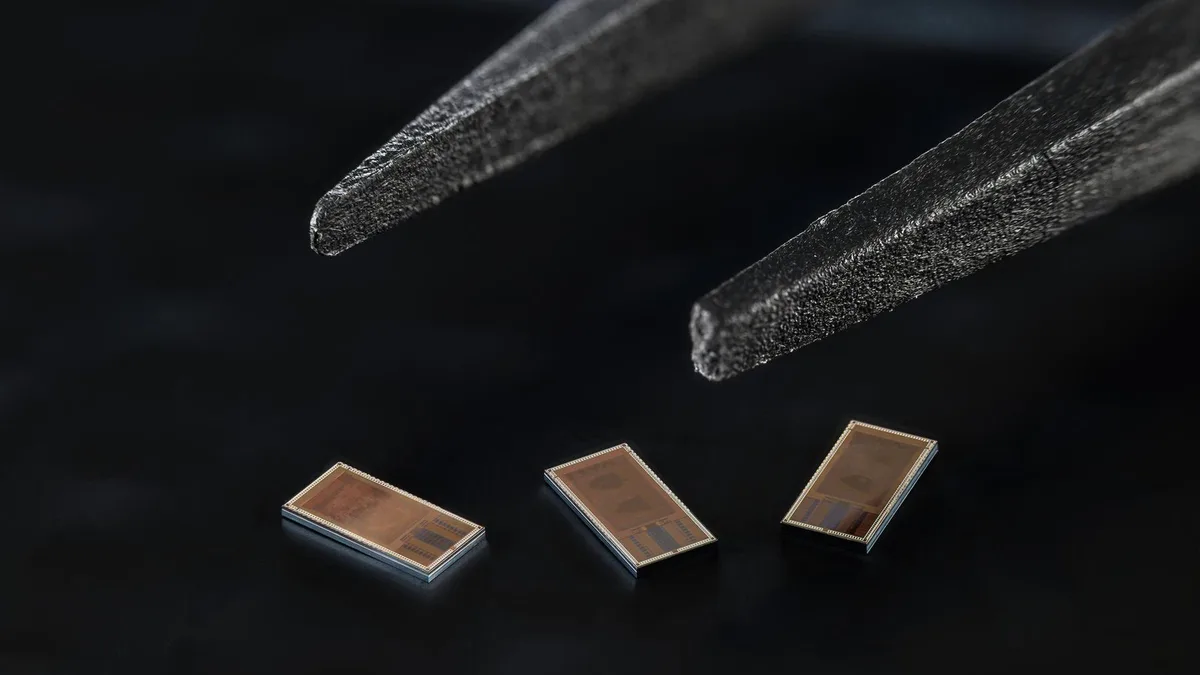
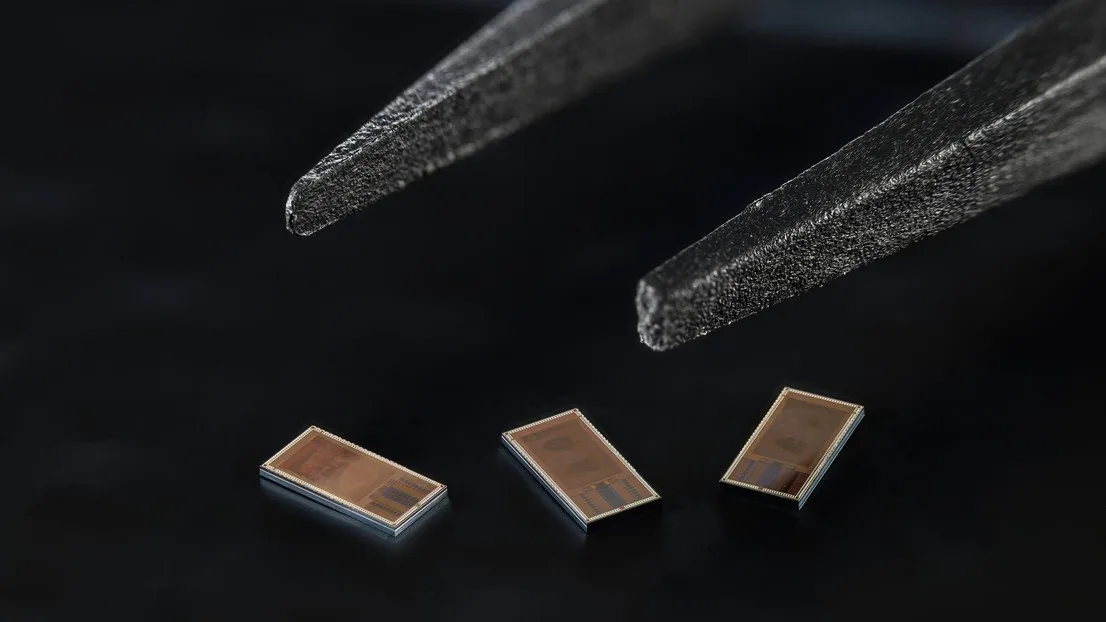


Researchers at EPFL have developed LogSync, an implantable neural chip that tracks communication between brain regions and identifies cognitive and emotional states in real time. The chip records brain activity and extracts biomarkers[1] describing the strength of brain oscillations and the synchrony between signals from different regions, and a machine-learning algorithm analyzes these network-level signals to distinguish states and generate stimulation triggers. Most current deep brain stimulation (DBS)[2] systems run “open loop”, delivering stimulation from predefined settings, and even many closed-loop[3] systems read signals from a single region — a major limitation for psychiatric disorders, where clinically relevant information is distributed across networks of interacting brain regions. In human recordings from earlier psychiatric experiments — one dataset captured cognitive engagement during a mental task, another captured emotional arousal while participants watched video clips — the algorithm distinguished the states from the neural recordings alone, and in rat experiments at the University of Minnesota the implant tracked ongoing oscillations and generated stimulation triggers at predefined phases of brain activity. The system-on-chip[4] consumes less than 200 microwatts, and the work was published in the IEEE Journal of Solid-State Circuits as part of a CHF 6.6 million grant from the US National Institute of Mental Health.
Read the original actu.epfl.chDiscussion
Discussion
A commenter writes that they have long been looking for a source listing human cognitive states: state switches are visible from the outside — for example, going from creative focused thinking to conforming group think — and they would like to connect such observations with technical terms.
Sources
-
actu.epfl.ch
Neural chip decodes interactions between brain regions
-
KRGeekNews KO
뇌 영역 간 상호작용을 해독하는 신경 칩