Electronics makers set up memory chip 'war rooms' as some prices jump tenfold
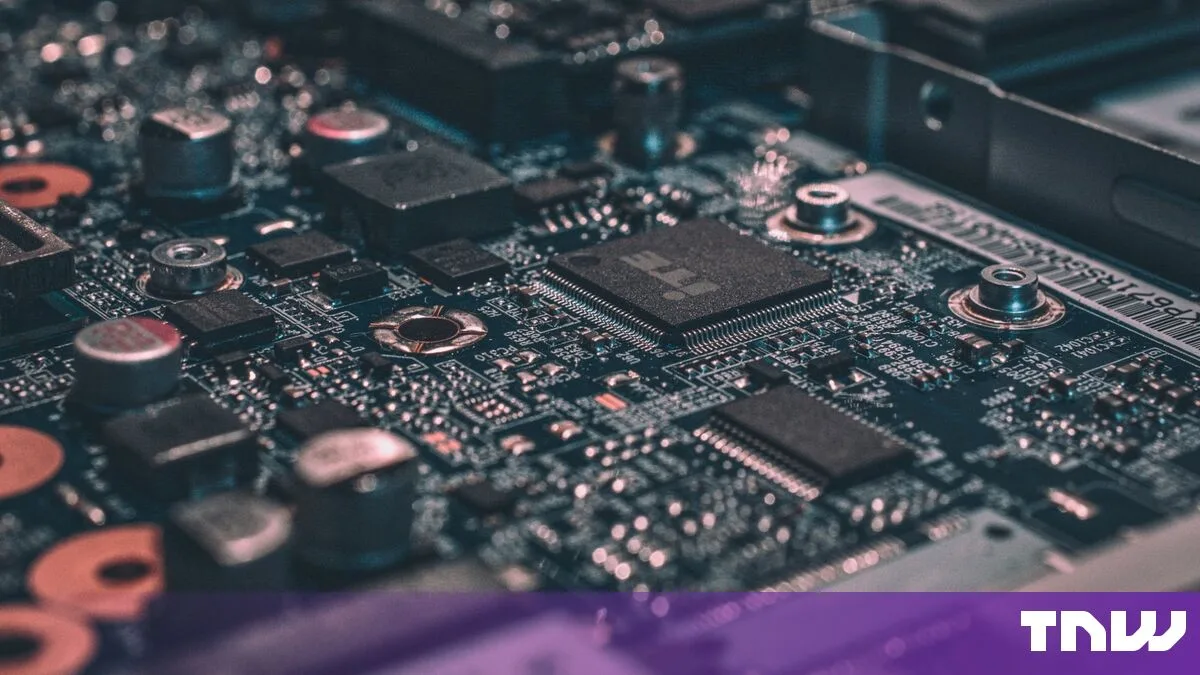
Electronics makers have set up procurement "war rooms" to hunt for memory chips, as some prices have risen tenfold in a year, the Wall Street Journal reported. Staff search eBay, call hundreds of brokers and buy batches of five to 12 units. Smaller firms are hit hardest, because large buyers can lock in supply through long-term deals with chipmakers, while others rely on brokers and the grey market[1], where some sellers mix used chips into orders of new ones. Taiwanese module maker Apacer has taken out loans so it has cash ready when supply appears, and thieves took about $100,000 of flash memory from one company's warehouse in Indonesia.
The article also includes a second-hand account from Capital Group's Carl Kawaja, who said Elon Musk asked Samsung chairman Lee Jae-yong for a long-term memory deal in June and was told that everyone gets that offer. Musk then offered to guarantee financing for a new Samsung chip plant and got the same answer. TNW has not independently verified the account.
In India, around 48 Samsung and Xiaomi phone models rose by ₹1,000 to ₹4,000 in mid-November, and GPU[2] rental prices there have risen 30% to 35% since February. Providers now want three- to six-month commitments from AI start-ups that once booked a few hours at a time. SK Hynix has said tight supply could last until 2030, as Samsung, SK Hynix and Micron shift production to high-bandwidth memory[3] used in AI chips.
Read the original thenextweb.com
Sources
-
TNW
Firms set up memory chip ‘war rooms’ as some prices jump 10x, WSJ reports




 archive