DeepGreen seeks FERC permits for underwater data centers in endangered whale habitat
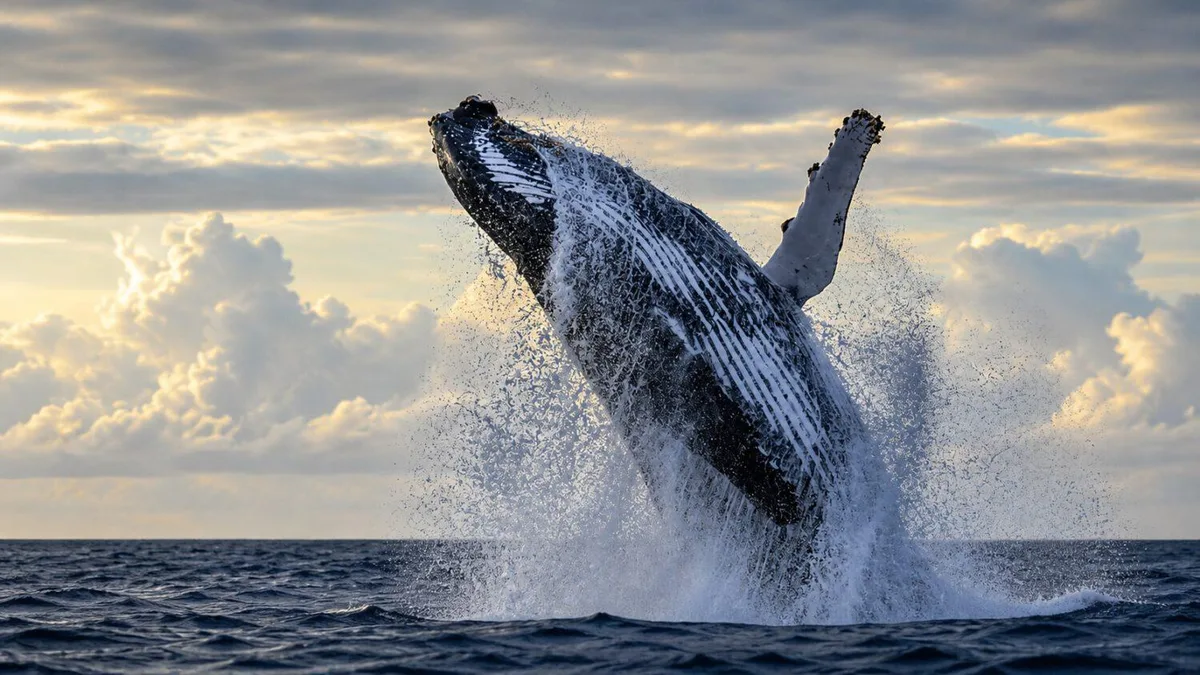
DeepGreen Holdings has filed preliminary-permit applications with FERC[1] to study the feasibility of tidal-powered subsea data centers in Upper Cook Inlet, Alaska, and Western Passage, Maine. The Alaska proposal covers roughly 1,650 acres with 66 underwater compute pods and more than 300 tidal turbines generating up to 100 megawatts, while the Maine proposal is smaller at 51 megawatts, with a cluster of subsea compute pods powered by tidal turbines. Cook Inlet is designated critical habitat[2] for the endangered Cook Inlet beluga whale, and the Gulf of Maine is associated with critical habitat for the North Atlantic right whale. A FERC preliminary permit supports a feasibility study and gives priority for a future license application, but does not authorize construction.
The argument for the approach is that seawater can carry away server heat and reduce reliance on freshwater-intensive cooling, while tidal turbines supply power from moving water rather than combustion. Columbia University computer scientist Vishal Misra has described seawater as a readily available heat sink[3] and noted that cooling costs are central to data-center economics. Microsoft tested the concept off California and later off Scotland, and only two operational subsea data centers are reported globally, both in Chinese waters and both smaller than the proposed US facilities.
The roughly 300 remaining Cook Inlet belugas rely on echolocation[4] in glacially turbid water, and researcher Arial Brewer of the University of Washington and NOAA warned that a project of this scale could stress them in multiple ways, with pile driving, turbine arrays and pumps adding acute and persistent noise. Warm discharge water affects cold-water prey, on which fewer than 400 remaining North Atlantic right whales depend; Eastport, Maine adopted a moratorium on permits for industrial data centers, and the Passamaquoddy Tribe publicly indicated it did not want to collaborate with DeepGreen. FERC flagged the original applications as deficient, in part because DeepGreen inadequately identified Indigenous tribes with historical ties to both sites; DeepGreen's Louis Wolfson said equipment unable to operate safely well within federal marine-mammal thresholds would never be licensed or deployed, and FERC representative Celeste Miller confirmed that a preliminary permit does not authorize construction.
Read the original gadgetreview.comDiscussion
Discussion
Commenters are almost uniformly hostile: several joke about the effect of constant noise on whales that navigate by sound, others argue that saltwater corrosion and hardware failures would make long-term maintenance prohibitively expensive, citing Microsoft's earlier trial, and many condemn the tech industry and capitalism more broadly. One commenter allows the concept might work if built as a true underwater data center designed for long service life.
Sources
-
gadgetreview.com
$100M Underwater Data Center Proposed Off Maine – In the Middle of Endangered Whale Habitat