Data center plans threaten dark skies and wilderness in West Virginia
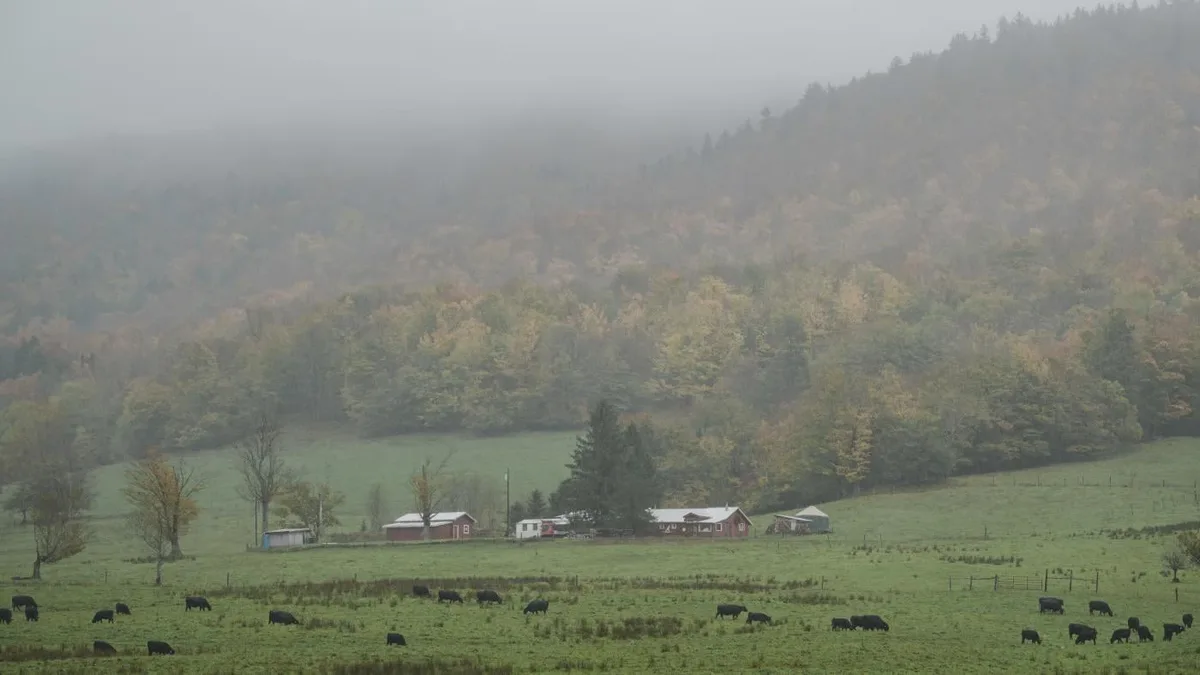
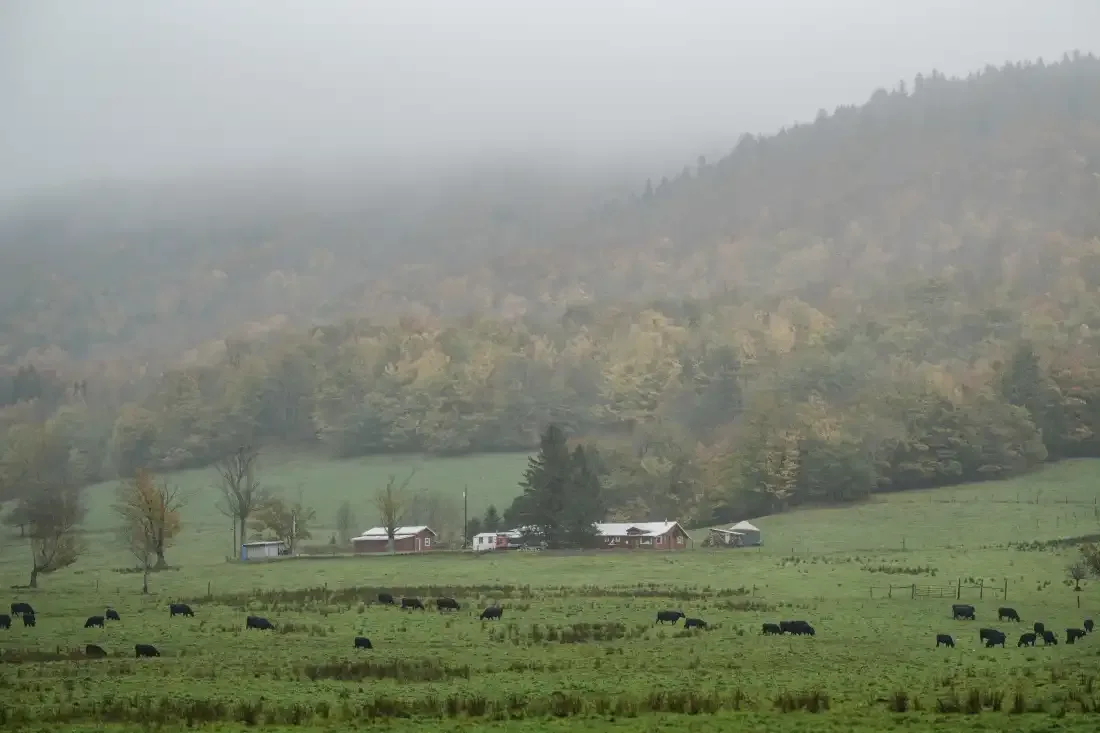
Residents of Tucker County, West Virginia, are fighting a proposed data center campus that would bring large-scale development to the region around the Monongahela National Forest, a nearly million-acre stretch of mountains and one of the few remaining pockets of natural darkness in the Eastern United States, which draws amateur astronomers. Developer Fundamental Data LLC of Purcellville, Virginia, plans a roughly 785-megawatt generating plant as the first piece of the Ridgeline project, which it describes as supporting artificial intelligence, cloud computing and enterprise systems. The complex would run primarily on natural gas with diesel backup and generate power on-site, on a reclaimed coal-mining site, which could ease concerns about electricity rates but not about air and water pollution. Local news reports put the initial footprint at 291 acres, possibly growing to 10,000 acres — 15 square miles — into neighboring Grant County, and Casey Chapman of Fundamental Data said that if fully developed it would cover thousands of acres.
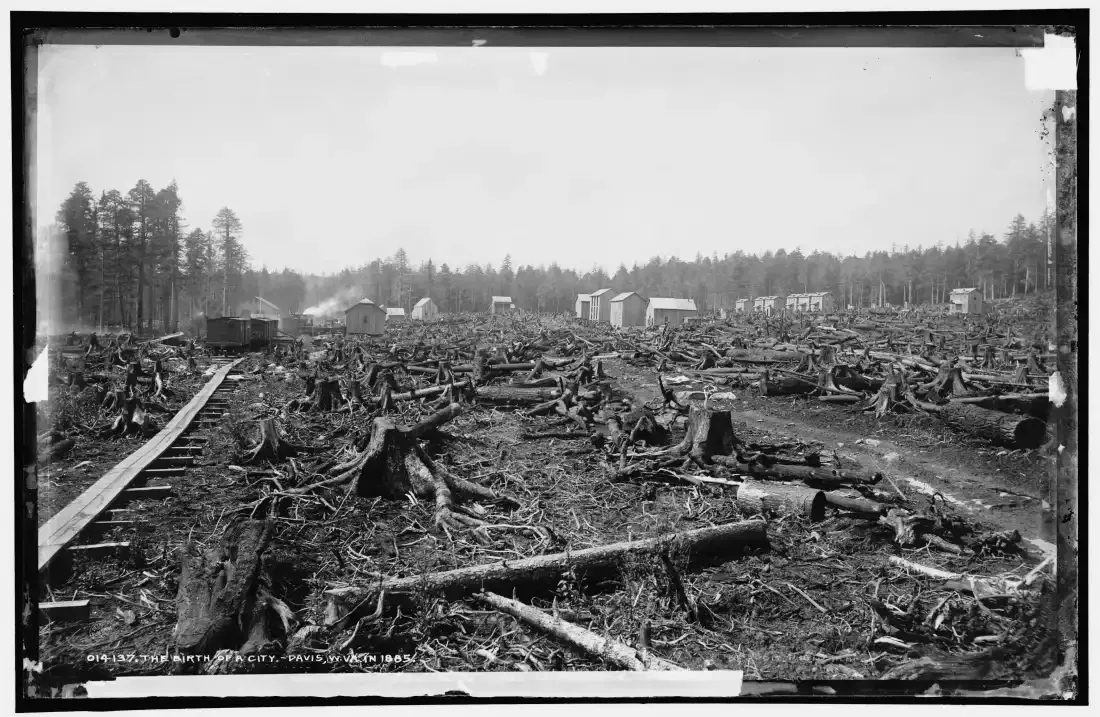
The company says it will use well-designed lighting to limit sky glow[1] so as not to jeopardize Blackwater Falls State Park's pursuit of dark-sky certification[2]. An analysis by the Northern Virginia Astronomy Club found the initial footprint could increase sky glow near Blackwater by 528%, making the rural night sky comparable to a suburban one, with only minimal impact on Spruce Knob; Chapman responds that safety comes first at a plant running around the clock, where crews need lighting to work safely. Many residents see the project as a modern-day version of the logging and mining that once stripped the region; supporters note that West Virginia ranks among the poorest states and has lost population since 1950, and John Deskins, director of West Virginia University's Bureau of Business and Economic Research, calls data centers a good opportunity if procedures around noise, water and other pollution are followed.
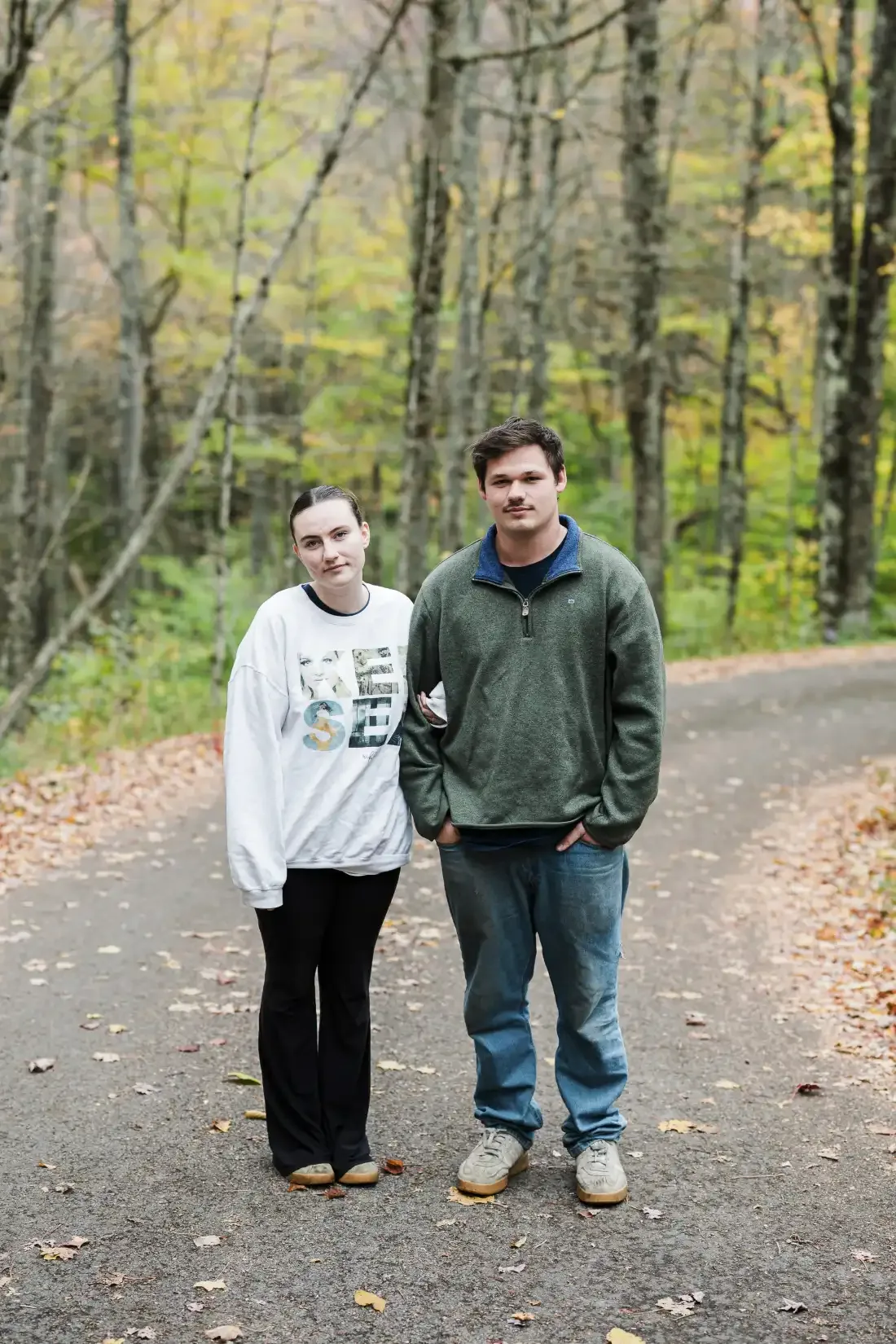
Opponents describe a process lacking transparency: by Davis Mayor Alan Tomson's account, the community first learned of the project in March 2025 through an obscure newspaper notice about an air-quality permit application, and a month later the legislature's Republican super-majority passed a bill exempting certified microgrid districts[3] and high-impact data centers from county and municipal zoning and local restrictions on noise, viewshed[4], lighting and land use. A petition with 1,000 signatures urged Republican Gov. Patrick Morrisey to veto the bill; he signed it, citing economic development and the state's natural resources. The West Virginia Department of Environmental Protection approved the air permit, and the grassroots group Tucker United says no comprehensive assessment of public-health impacts was conducted; the department declined to comment, citing active litigation.
Read the original npr.orgDiscussion
Sources
-
npr.org
Plans for a data center threaten scenic wilderness and dark skies in West Virginia