China Expected to Lift Decade-Long Ban on Korean Culture
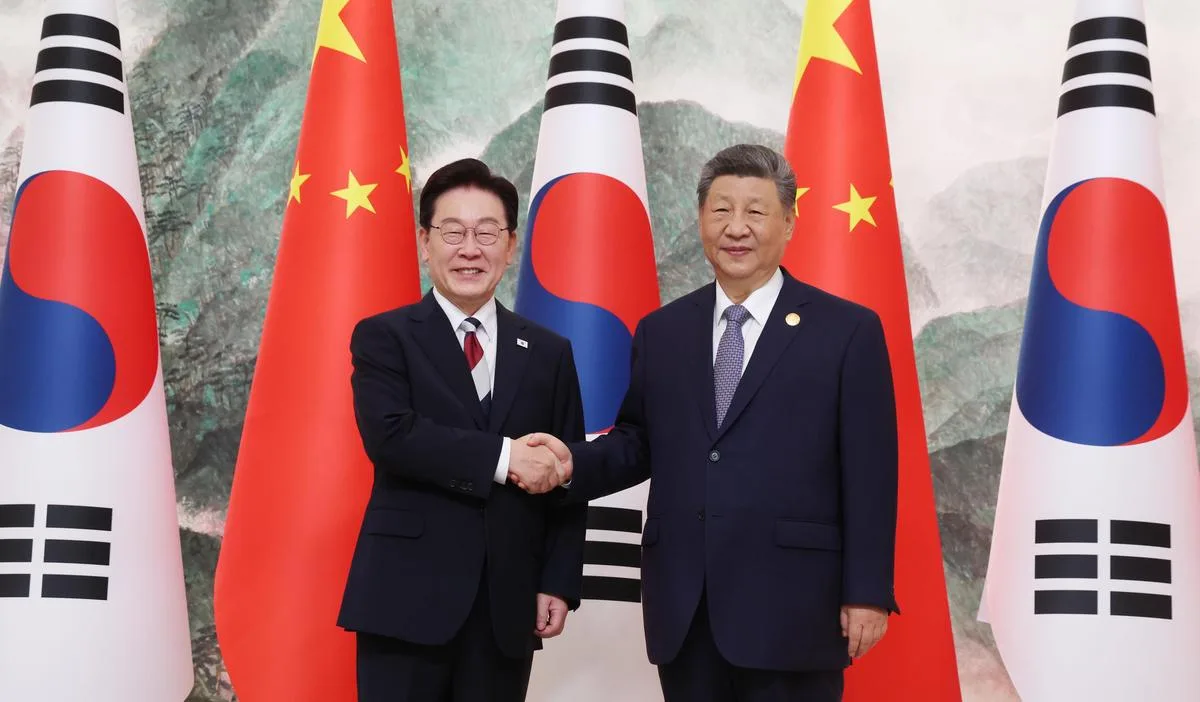
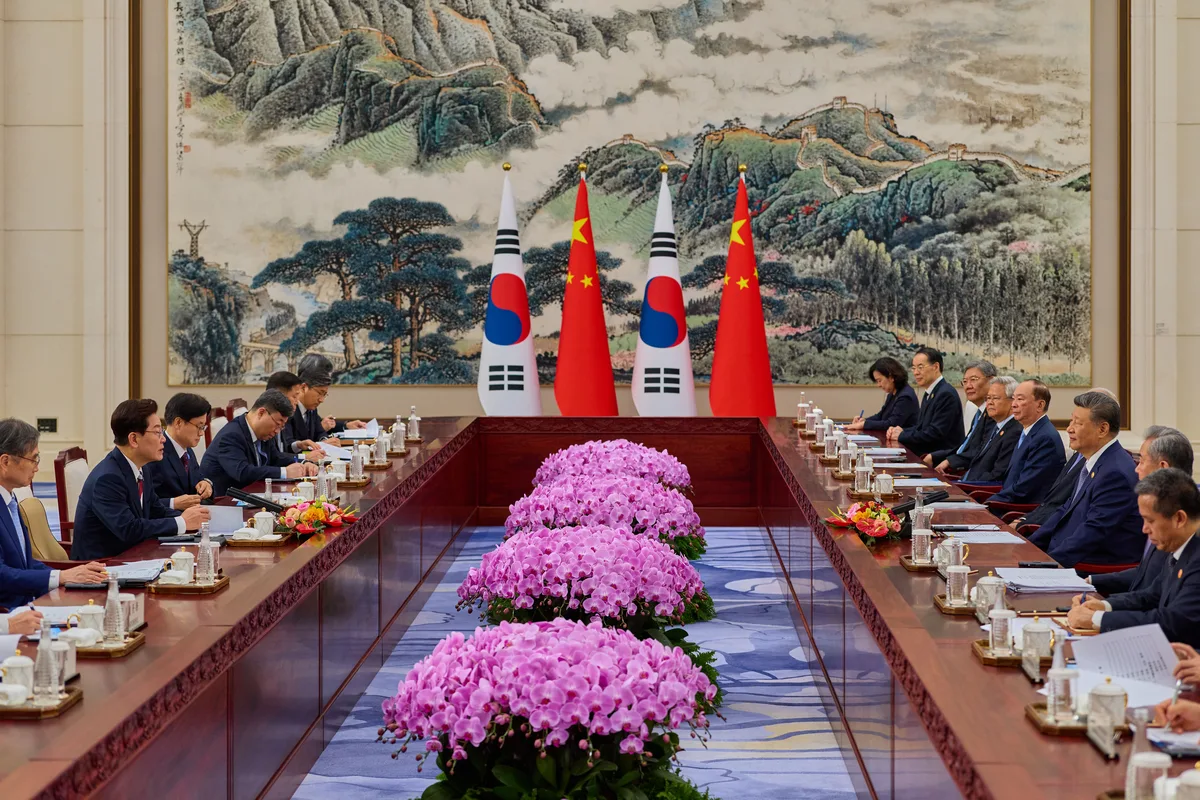
On 18 November, President Lee Jae-myung and Chinese President Xi Jinping announced at a summit in Shenzhen, held on the sidelines of the Asia-Pacific Economic Cooperation summit, that negotiations on services and investment under the Korea-China free trade agreement had concluded. The talks had been under way since March 2018, and the deal is expected to make it easier for companies from both countries to enter each other's markets.
China agreed to ease restrictions in cultural sectors such as film and games, and assessments say the so-called hallyu ban[1], a decade-long curb on Korean cultural content, is effectively on track to be lifted. China also pledged most-favored-nation treatment[2] for the film and game sectors, meaning terms no less favorable than those given to third countries. The agreement further allows Korean travel agencies to run outbound tourism businesses, expands the regions where law firms can be set up to jointly take cases and form partnerships with Chinese firms, and prohibits technology transfer requirements.
Xi said the two countries should foster a cooperative ecosystem in advanced technology industries such as artificial intelligence. Lee hoped for further economic cooperation ahead of the 35th anniversary of diplomatic ties in 2027, and said peace on the Korean Peninsula serves both countries' common interests. Xi said he supports various efforts to ease tensions there, referring to talks between North Korea and the United States.
Read the original en.sedaily.comDiscussion
Discussion
Most commenters joke about the news, asking whether K-pop concerts or KPop Demon Hunters can now be seen in mainland China. Some ask what China gains from the deal, doubt that the ban was ever officially acknowledged, and link the agreement to chip exports, which the article does not mention.
Sources
-
Seoul Economic Daily
China to Lift Korean Culture Ban After Decade