ChatGPT added a phantom Senate race to Missouri's ballot and misidentified candidates
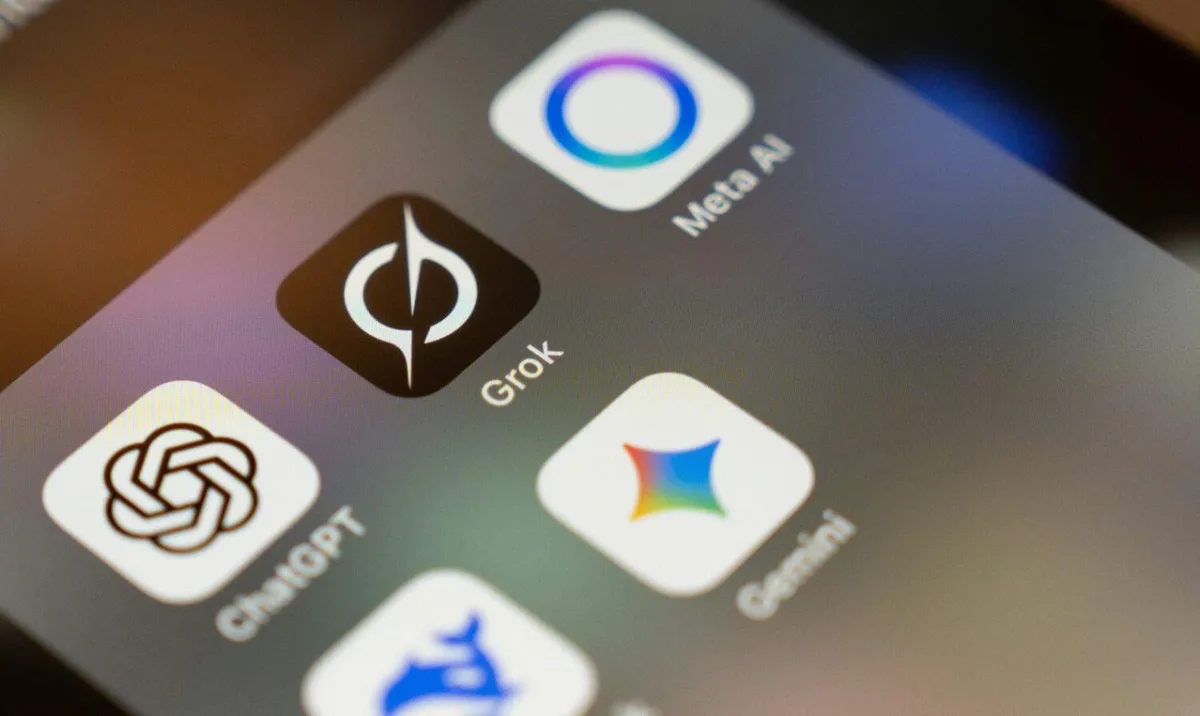
Testers at The Washington Post reviewed 3,000 AI-generated voting guides ahead of the 2026 U.S. midterms[1] and found frequent, concrete factual errors. ChatGPT reportedly added a U.S. Senate race to Missouri's 2026 ballot that was not up for election and misidentified Wyoming municipal candidates as contenders for federal office. These examples are attributed to Washington Post testing and have not been independently verified from primary sources. The specific danger is confidence: a response presenting a phantom Senate race alongside accurate candidate biographies gives no obvious signal that anything is wrong. Chatbot answers may not draw on current official election authorities, and the systems pull from web content that increasingly includes AI-generated pages with errors of their own, so a flawed source can be reproduced in confident language and circulate as source material elsewhere.
A Pew Research Center survey of 5,273 U.S. adults, conducted October 12–18, 2026, found that 8% reported using AI chatbots for 2026 election information. Among that group, 76% sought candidates' positions on issues, 71% used chatbots to assess claims heard elsewhere, 65% looked up candidates' backgrounds and careers, and 40% sought logistical information such as registration status, polling places, and mail ballot[2] rules. In Washington Post testing, chatbots failed to correctly identify the congressional district[3] for an exact address 48% of the time, and among responses that attempted a district assignment, 22% were reportedly wrong.
The article argues that a single voter with an incorrect polling location or a missed mail-ballot deadline can have their participation impaired. It recommends state and county election authority websites for ballot contents, registration status, polling locations, early voting schedules, and mail ballot rules, with chatbots suitable at most for understanding candidates' publicly stated positions rather than as the sole source for logistical or administrative election questions.
Read the original gadgetreview.comDiscussion
Discussion
Most commenters distrust AI companies and dismiss voters who ask chatbots for voting advice, with several claiming the errors serve deliberate political bias by the companies. One calls the situation a Cambridge Analytica reboot, and another criticizes NBC for airing a positive segment on someone using ChatGPT for voting advice.
Sources
-
Gadget Review
ChatGPT Is Giving Voters Serious Misinformation as the Midterms Hit: Fake Candidates and Wrong Election Information


