Canada recommits to federal funding for news
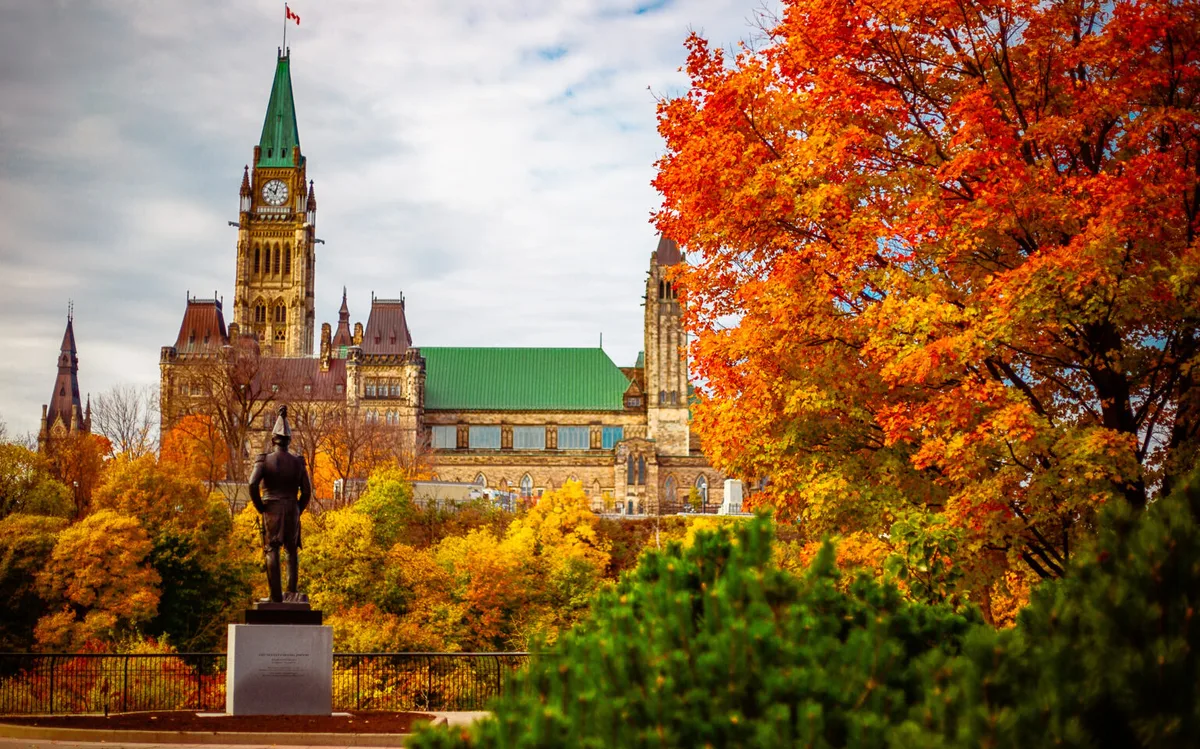
Canada's 2026 federal budget proposes making the Local Journalism Initiative (LJI) permanent. The program, launched in 2019, places local reporters in underserved communities. LJI funding would rise to $134 million over four years, followed by $41 million a year in ongoing funding; the figures are in Canadian dollars. The budget must still pass Parliament, and because Prime Minister Mark Carney's party holds a majority, it is expected to.
The budget also extends a 35% tax credit on newsroom salaries through 2028 and opens it to radio and television newsrooms for the first time; the credit costs $501 million over five years. It refunds up to $29,750 per journalist per year, but an organization must employ at least two journalists at arm's length[1] from its owners, a rule an advisory board found excludes small "mom-and-pop" newsrooms. The Online News Act[2] brings $100 million a year from Google, of which $63 million is set aside for news publishers. The budget also adds $300 million over two years to CBC/Radio-Canada.
The LJI supports about 470 reporting positions in roughly 1,000 communities. An evaluation found that it increased reporting capacity, but news deserts[3] and Indigenous communities remained obstacles.
Read the original niemanlab.orgDiscussion
Discussion
Commenters are divided. Some praise the funding and cite a study linking public media to healthy democracies, while others warn that government-funded journalism could bias coverage, that the tax credit leaves out small outlets, and that the money mostly goes to large chains.
Links from the post and discussion
- Study on public media and democracy, cited in comments journals.sagepub.com
Sources
-
Nieman Lab
Canada recommits to federal funding for news
-
KRGeekNews KO
캐나다, 뉴스에 대한 연방 재정 지원 의지 재확인


